In an age where environmental awareness is no longer optional but essential, innovative educational platforms are redefining how people connect with the natural world. Zooskooñ stands at the forefront of this transformation, merging structured learning with hands-on animal care to create an experience that is both intellectually enriching and emotionally impactful. Rather than separating classrooms from conservation spaces, Zooskooñ brings them together under a unified philosophy: education thrives when it is lived, not just taught.
TLDR: Zooskooñ is an innovative concept that combines education and animal care into one immersive learning ecosystem. By integrating conservation, digital tools, and hands-on engagement, it builds empathy and scientific understanding simultaneously. The platform supports schools, zoos, and wildlife centers through collaborative programs and interactive experiences. Ultimately, Zooskooñ prepares learners to become informed, compassionate stewards of the natural world.
Contents
Reimagining the Relationship Between Learning and Living Creatures
Traditional education often treats animals as subjects in textbooks—diagrams to label or case studies to discuss. Meanwhile, animal care facilities prioritize welfare, veterinary science, and conservation but may struggle to translate their work into structured teaching opportunities. Zooskooñ bridges this divide by creating integrated programs that combine:
- Academic curriculum alignment with biology, ecology, and environmental science standards
- Direct observation opportunities guided by trained educators and animal specialists
- Ethical care education focusing on welfare, habitat preservation, and species sustainability
- Digital extensions that allow learning to continue beyond physical visits
This holistic approach ensures that students do not merely memorize facts about ecosystems—they understand their complexity through guided, real-world interaction.
Image not found in postmetaThe Educational Framework Behind Zooskooñ
At its core, Zooskooñ is built on experiential learning principles. Research consistently shows that learners retain knowledge more effectively when they engage multiple senses and apply concepts in real contexts. Watching a tiger pace in its enclosure while discussing predator-prey relationships makes the lesson immediate and unforgettable.
The Zooskooñ framework typically follows a structured pathway:
- Preparation: Classroom-based introduction to species, ecosystems, and conservation challenges.
- Immersion: On-site engagement including guided tours, caretaker talks, and supervised observation.
- Reflection: Group discussions, journaling, and data analysis based on observed behaviors.
- Application: Projects such as habitat design models, conservation campaigns, or citizen science initiatives.
This cyclical structure transforms passive field trips into meaningful learning modules. Students leave not only with memories but also with applied understanding.
Elevating Animal Care Through Education
Animal welfare remains central to Zooskooñ’s mission. Rather than treating animals as teaching tools, the program emphasizes respect, enrichment, and scientific management. Learners are introduced to the complexity of professional animal care, including:
- Nutritional planning and dietary monitoring
- Behavioral enrichment strategies
- Habitat design and environmental simulation
- Veterinary health assessments
Understanding these systems builds admiration for the expertise required to maintain healthy populations in captivity or rehabilitation environments. It also corrects misconceptions that zoos are merely entertainment venues. Through guided transparency, Zooskooñ highlights how modern institutions serve as hubs for wildlife rescue and species recovery programs.
Importantly, the platform fosters ethical reflection. Students are encouraged to explore questions such as: What responsibilities do humans have toward endangered species? When is captivity justified? How can conservation balance scientific management with animal autonomy? These discussions cultivate critical thinking rather than blind acceptance.
Technology as a Bridge, Not a Barrier
Incorporating digital tools does not replace physical interaction—it enhances it. Zooskooñ leverages technology to expand access and deepen inquiry. Virtual habitat tours, live-streamed animal cams, and interactive data dashboards enable learners to track feeding times, migration patterns, and growth metrics.
This data-driven approach allows students to:
- Analyze real-time behavioral trends
- Compare species activity cycles
- Conduct remote studies across different geographical locations
- Collaborate with peers worldwide
By integrating analytics into animal education, Zooskooñ introduces learners to emerging careers in conservation technology and wildlife informatics. The message becomes clear: protecting biodiversity requires innovation as much as compassion.
Supporting Educators and Care Professionals
Another defining strength of Zooskooñ is its collaborative model. Teachers and animal care staff work together to co-design lessons that align with both academic standards and institutional welfare policies. This partnership reduces logistical barriers and ensures consistent messaging.
For educators, Zooskooñ provides:
- Ready-to-use lesson plans
- Assessment rubrics tailored to experiential learning
- Professional development workshops
- Access to expert guest speakers
For animal care professionals, it offers structured engagement protocols that prevent animal stress while maximizing educational value. Scheduled observation windows, controlled group sizes, and enrichment-informed demonstrations maintain welfare priorities at all times.
This synergy fosters mutual respect between educators and zoological teams. Each gains deeper insight into the other’s expertise, strengthening institutional culture.
Perhaps the most transformative aspect of Zooskooñ is its emphasis on conservation activism. Students are not positioned as passive learners but as emerging advocates. Programs often culminate in action-oriented initiatives such as:
- Community awareness campaigns about endangered species
- Fundraisers for habitat restoration projects
- Local biodiversity mapping efforts
- Plastic reduction drives tied to marine wildlife protection
This empowerment creates a feedback loop: the more students learn, the more invested they become in protecting what they have come to understand.
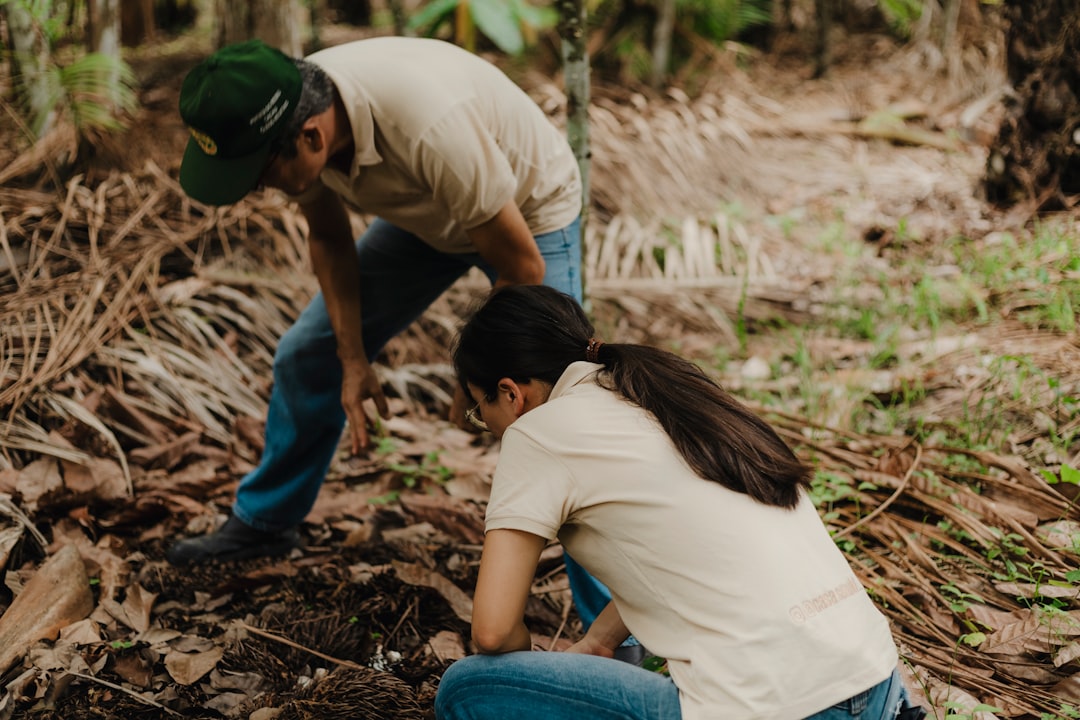
Such projects demonstrate that conservation does not end at the boundaries of a zoo. It extends into neighborhoods, households, and policy discussions. Zooskooñ reinforces the principle that environmental stewardship is collective and continuous.
Emotional Intelligence and Empathy Development
Beyond scientific literacy, Zooskooñ nurtures emotional growth. Observing animals closely—recognizing patterns of play, stress, curiosity, or rest—encourages students to reflect on shared biological traits. Empathy emerges naturally from exposure.
This emotional connection often leads to deeper questions about coexistence and sustainability. Learners begin to see biodiversity not as an abstract statistic but as a network of living beings with intrinsic value. Educational psychologists note that such empathic engagement significantly increases long-term commitment to environmental causes.
In this way, Zooskooñ operates at the intersection of cognition and compassion.
Global Potential and Future Expansion
As climate change accelerates and biodiversity loss intensifies, scalable models like Zooskooñ hold global significance. The platform’s adaptable design allows it to integrate with:
- Urban zoos
- Wildlife rehabilitation centers
- Marine sanctuaries
- Eco-parks and botanical gardens
Future development may include augmented reality overlays for species identification, AI-driven behavioral analysis tools for student research, and international conservation partnerships that connect classrooms across continents.
By expanding digitally and geographically, Zooskooñ can democratize access to high-quality wildlife education—even for communities far from traditional zoological institutions.
A Model for Meaningful Engagement
The real achievement of Zooskooñ lies not in novelty but in integration. Education and animal care have always shared common ground: curiosity about life and commitment to its preservation. By consciously merging these domains, Zooskooñ transforms isolated experiences into cohesive journeys of discovery.
Students gain scientific literacy. Educators gain dynamic teaching environments. Animal care professionals gain informed public allies. And animals themselves benefit from a generation that understands and respects their role in the planet’s delicate equilibrium.
In an era defined by environmental uncertainty, initiatives like Zooskooñ remind us that knowledge alone is not enough. It must be paired with empathy, responsibility, and action. When classrooms extend beyond four walls and into living ecosystems, learning becomes not just informative—but transformative.