Cities are busy. Streets are crowded. Cars move slowly. And the air is not always clean. Many people want a better way to move around town. That is where bike sharing platforms come in. They offer simple bikes, easy rentals, and a greener future.
TLDR: Bike sharing platforms give people quick access to bicycles without owning one. They reduce traffic, cut emissions, and make cities healthier. These systems are affordable, easy to use, and growing fast. When more people ride and fewer people drive, everyone wins.
Bike sharing is not just a trend. It is a smart urban solution. It helps cities fight traffic jams. It lowers pollution. And it makes daily travel more fun.
Contents
What Is a Bike Sharing Platform?
A bike sharing platform is a service that lets people rent bikes for short trips. You unlock a bike with a mobile app. You ride where you need to go. Then you park it in a marked zone or dock.
It is that simple.
There are two main types:
- Docked systems: Bikes must be picked up and returned to fixed stations.
- Dockless systems: Bikes can be left in approved areas around the city.
Many platforms now offer electric bikes too. These e-bikes make hills easier. They also help people ride longer distances without getting tired.
How Bike Sharing Reduces Traffic
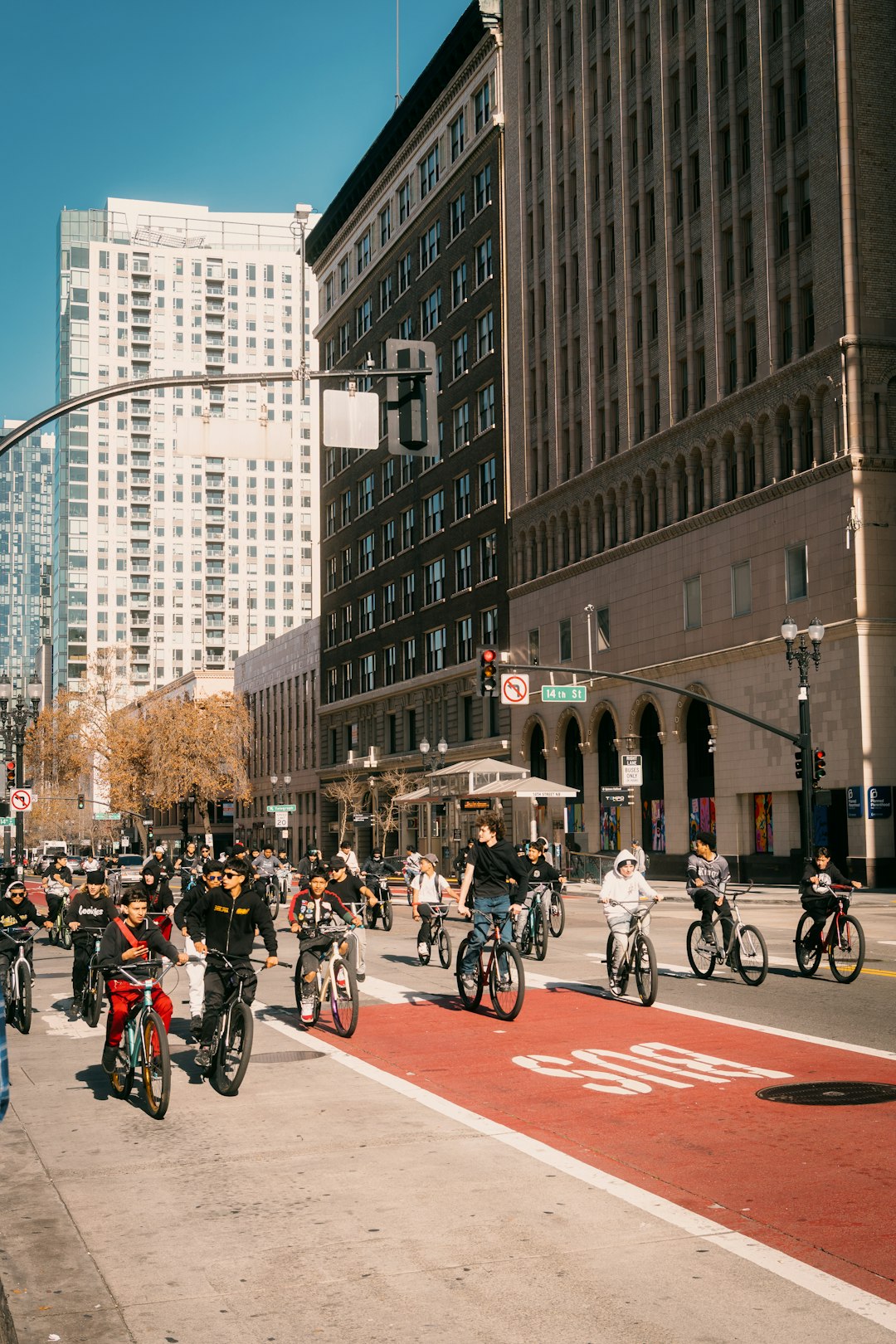
Traffic is a big problem in cities. Cars take up space. Lots of space. One bike needs much less room than one car.
Here is how bike sharing helps:
- Fewer cars on the road: Some people choose bikes instead of driving.
- Short trips go car-free: Many city car rides are under 3 miles. Perfect for bikes.
- Less parking pressure: Bikes need very little parking space.
- Better connections: Bikes connect people to buses and trains.
When even a small number of people switch from cars to bikes, traffic improves. Streets move faster. Commutes get shorter. Stress goes down.
Imagine 20 people in 20 cars. Now imagine 20 people on 20 bikes. The difference in space is huge.
Cutting Emissions and Cleaning the Air
Cars produce carbon dioxide. They also release harmful pollutants like nitrogen oxides. These gases warm the planet and harm our lungs.
Bikes produce zero emissions while riding.
This means:
- No fuel.
- No tailpipe smoke.
- No engine noise.
Even electric bikes are much cleaner than cars. They use small batteries. They consume far less energy than electric vehicles.
When more people bike, cities see:
- Lower greenhouse gas emissions
- Better air quality
- Reduced noise pollution
Cleaner air means fewer breathing problems. It also means healthier kids and seniors. Bike sharing does not just move people. It protects them.
Health Benefits for Riders
There is another big win. Exercise.
Riding a bike is great for your body. It strengthens your heart. It builds muscles. It reduces stress.
And the best part? It fits into daily life.
You do not need to go to the gym. Just ride to work. Ride to school. Ride to the store.
Studies show that regular cycling can:
- Lower the risk of heart disease
- Improve mental health
- Help maintain healthy weight
- Increase energy levels
People who bike to work often report feeling happier. They arrive more alert. They avoid traffic frustration.
Popular Bike Sharing Platforms
Many companies operate bike sharing systems worldwide. Here are some well-known platforms:
- Citi Bike – Popular in New York City and other US locations.
- Lime – Offers bikes and e-bikes in many global cities.
- Capital Bikeshare – Serves Washington, DC and nearby areas.
- Santander Cycles – A key part of London transport.
- Mobike – Operated in many cities around the world.
Comparison Chart
| Platform | Type | E Bikes Available | Operating Model | Main Regions |
|---|---|---|---|---|
| Citi Bike | Docked | Yes | Station based | USA |
| Lime | Dockless | Yes | App based parking zones | Global |
| Capital Bikeshare | Docked | Yes | Station based | USA |
| Santander Cycles | Docked | Limited | Station based | UK |
| Mobike | Dockless | Yes | Free floating | Asia Europe |
Each system works a little differently. But the goal is the same. Make cycling easy and accessible.
Why People Love Bike Sharing
Convenience matters. Bike sharing platforms are designed to be simple.
Here is why users enjoy them:
- No maintenance: The company takes care of repairs.
- No storage worries: No need to keep a bike at home.
- Flexible pricing: Pay per ride or via subscription.
- Quick access: Unlock with a phone in seconds.
It removes common barriers to cycling. You do not need to buy a bike. You do not need special gear. You just ride.
Challenges and Smart Solutions
Bike sharing is not perfect. There are challenges.
Some common issues include:
- Bikes left in messy places
- Maintenance costs
- Vandalism
- Safety concerns in high traffic areas
Cities and companies are solving these problems with:
- Designated parking areas
- Better bike tracking using GPS
- Improved bike lane infrastructure
- Regular fleet maintenance
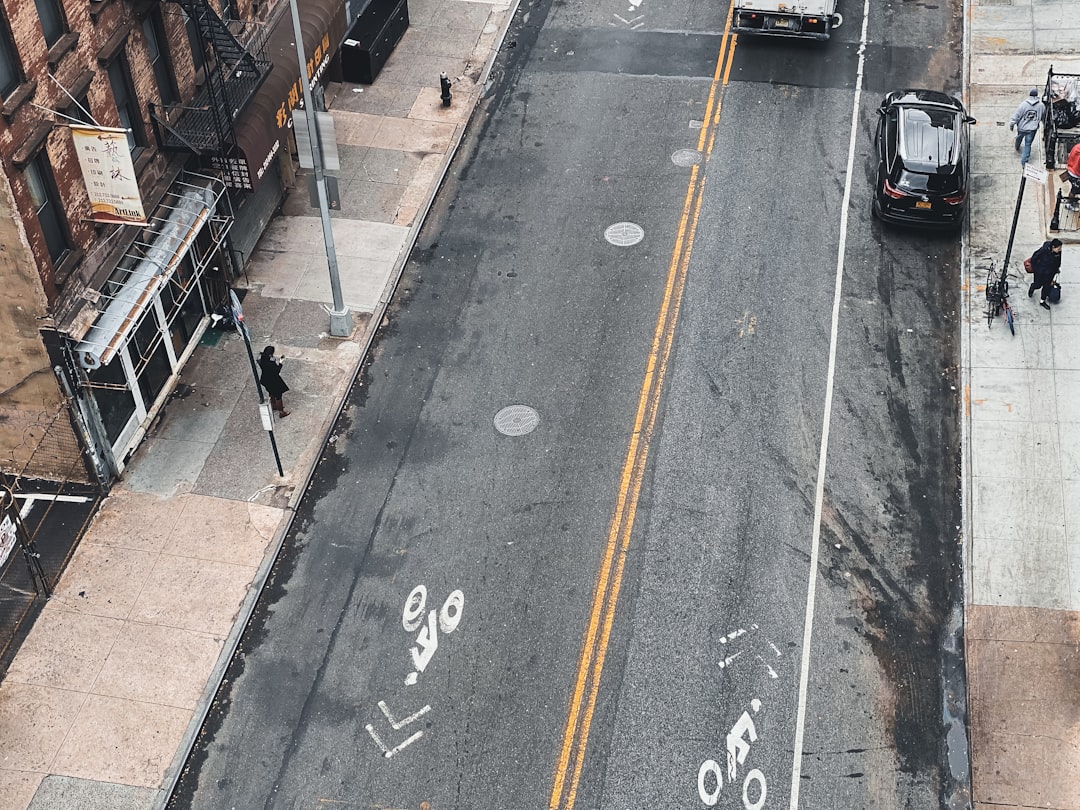
When cities build protected bike lanes, safety improves fast. People feel confident riding. Usage increases.
Bike Sharing and Public Transport
Bike sharing works best with buses and trains.
This is called first mile last mile travel.
Example:
- You bike from home to the train station.
- You take the train downtown.
- You grab another shared bike to reach your office.
No car needed.
This reduces the number of vehicles around transport hubs. It also makes public transport more attractive.
The Economic Benefits for Cities
Bike sharing is good for the environment. It is also good for local economies.
Here is how:
- Lower infrastructure costs: Bike lanes cost less than highways.
- More local shopping: Cyclists often stop at nearby shops.
- Job creation: Maintenance and operations create employment.
When streets are bike-friendly, they become lively. Cafes open. Small businesses grow. Neighborhoods feel active and safe.
Technology Makes It Easy
Modern bike sharing platforms rely on technology.
Smart features include:
- GPS tracking
- Mobile payments
- Real-time bike availability maps
- Digital locks
You can see where the nearest bike is. You can check battery levels on e-bikes. You can plan your trip in seconds.
Data also helps cities understand traffic patterns. This leads to better planning. Smarter roads. Safer networks.
The Future of Bike Sharing
The future looks bright. Cities are investing more in cycling infrastructure. Climate goals are becoming stricter. People want cleaner air.
We may soon see:
- More electric bike fleets
- Integration with city travel cards
- Solar powered docking stations
- Expanded suburban coverage
As technology improves, bikes become even more efficient. Batteries get lighter. Apps get smarter. Systems become smoother.
In many cities, bike sharing is no longer optional. It is part of daily life.
A Simple Choice That Makes a Big Difference
Urban traffic will not disappear overnight. But small changes add up.
Choosing a shared bike instead of a car may seem like a tiny act. But when thousands do it, the impact is powerful.
Less traffic. Cleaner air. Healthier people.
Bike sharing platforms show that solutions do not need to be complex. Sometimes the best ideas are simple. Two wheels. One rider. Zero emissions.
And maybe, just maybe, a happier city for us all.