
In increasingly competitive markets, businesses can no longer rely solely on product quality or pricing to retain customers. Sustainable growth depends on cultivating long-term relationships that encourage repeat purchases and deepen brand affinity. Loyalty program software has become a strategic solution for organizations seeking to reward customers systematically, gather actionable data, and strengthen engagement across multiple channels. When implemented effectively, it transforms occasional buyers into consistent brand advocates.
TLDR: Loyalty program software helps businesses reward customers in structured, data-driven ways that improve retention and lifetime value. It centralizes rewards management, automates promotions, and delivers insights into customer behavior. Modern platforms integrate with ecommerce, POS, and CRM systems to ensure seamless experiences. Choosing the right solution requires alignment with business goals, scalability needs, and compliance requirements.
Contents
The Strategic Importance of Customer Loyalty
Acquiring new customers is significantly more expensive than retaining existing ones. Research consistently demonstrates that increasing customer retention rates can lead to substantial improvements in profitability. Loyal customers tend to:
- Purchase more frequently
- Spend more per transaction
- Refer others to the brand
- Provide valuable feedback
Loyalty programs incentivize these behaviors by offering tangible and intangible rewards. However, administering such programs manually is inefficient and error-prone. Loyalty program software automates the process, tracks engagement, and ensures consistency across all customer touchpoints.
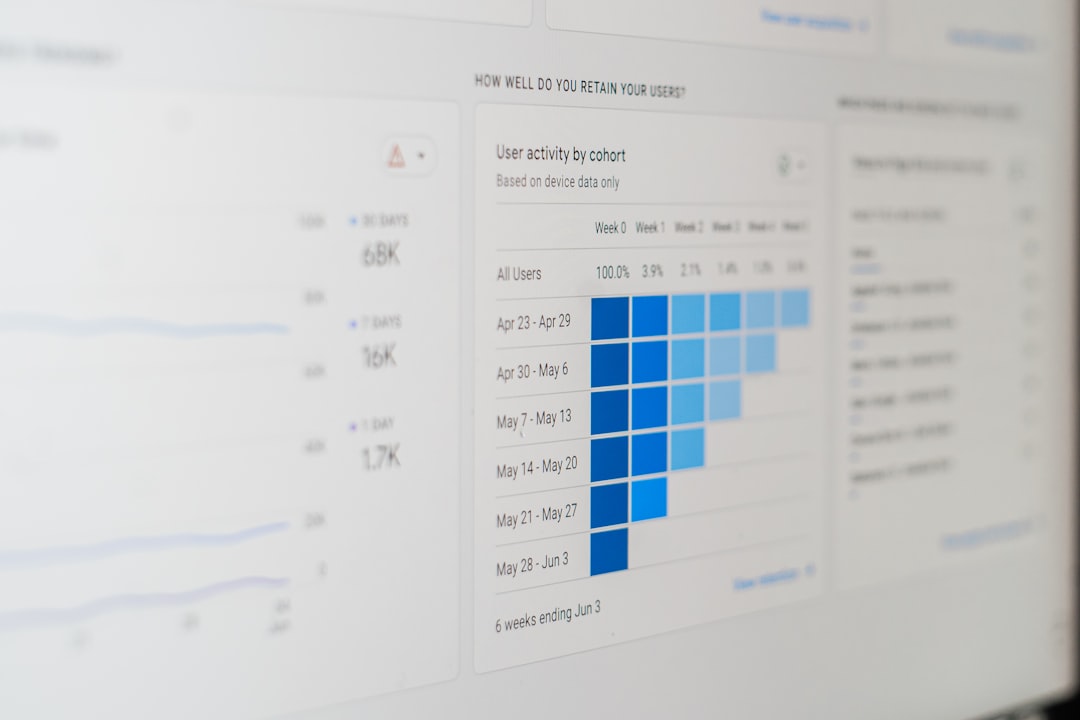
Core Functions of Loyalty Program Software
At its foundation, loyalty program software centralizes the management of rewards, customer profiles, and performance metrics. While platforms vary in sophistication, most reliable systems include the following core capabilities:
1. Points and Rewards Management
This feature allows businesses to define how customers earn and redeem points. Points can be awarded for purchases, referrals, social engagement, milestone achievements, or promotional events. The software automatically calculates accrual and redemption, reducing administrative overhead.
2. Tiered Membership Structures
Tier-based systems encourage customers to increase their engagement in exchange for enhanced benefits. For example:
- Bronze: Basic participation rewards
- Silver: Exclusive discounts and early access
- Gold: Premium perks, personalized offers
Software ensures tier upgrades are triggered automatically based on spending thresholds or activity levels.
3. Omnichannel Integration
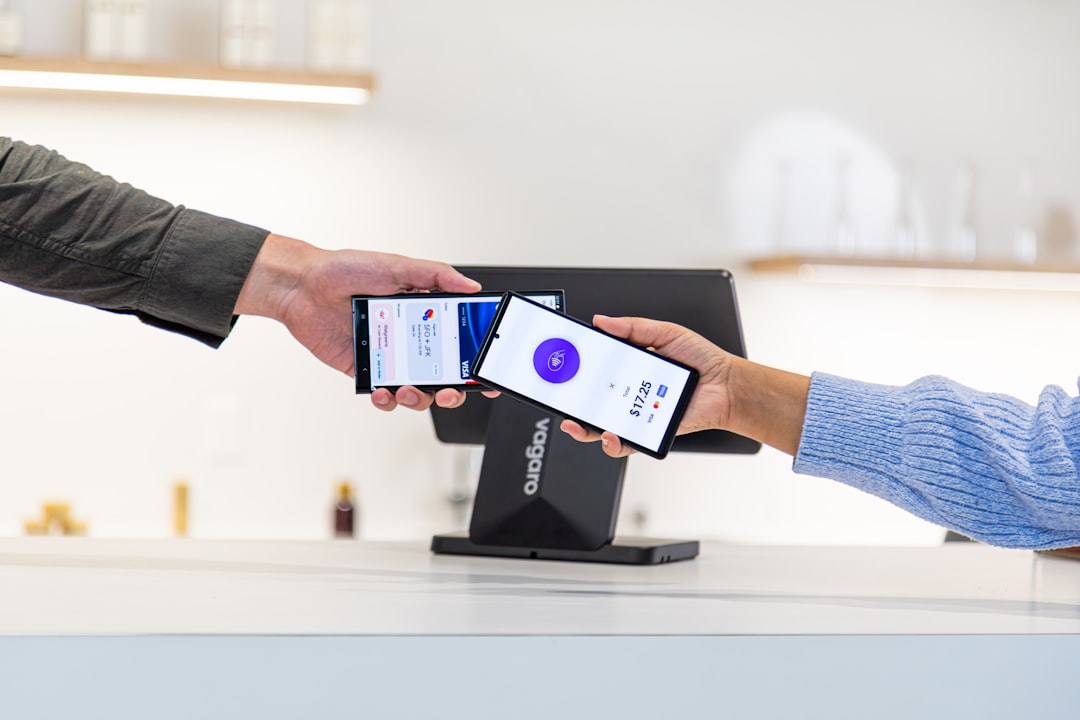
Modern consumers engage with brands across physical stores, ecommerce platforms, mobile apps, and social media. Loyalty software integrates with Point of Sale systems, Customer Relationship Management platforms, and ecommerce solutions to provide a unified experience across channels.
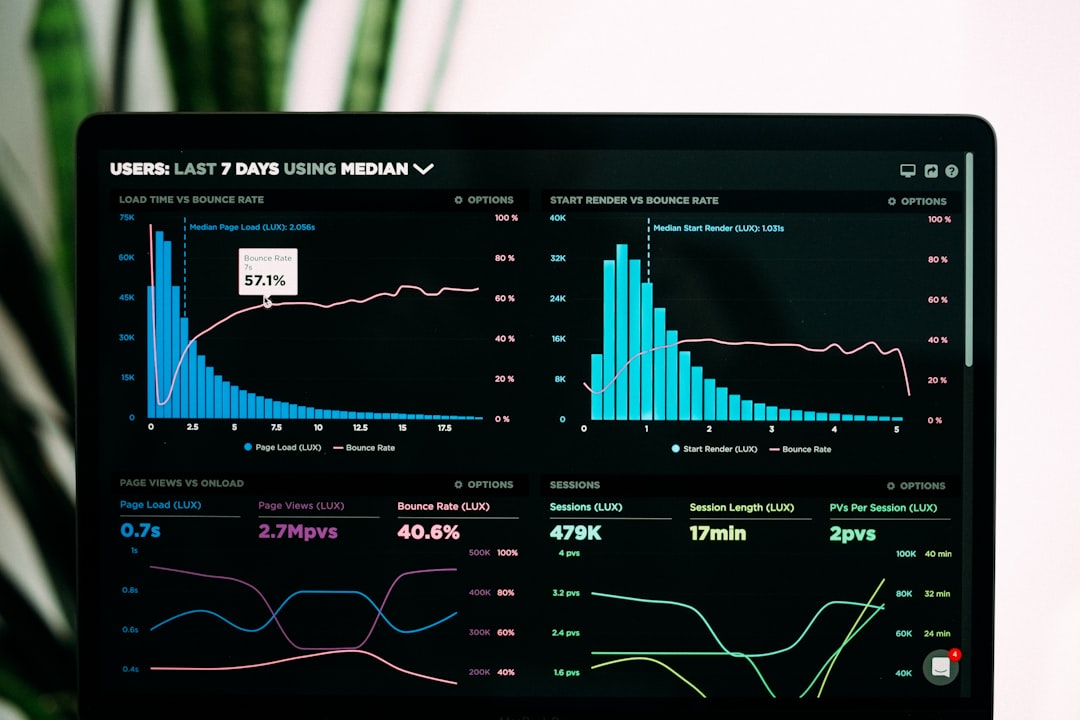
4. Customer Data and Analytics
One of the most valuable features of loyalty technology is its ability to convert behavioral data into actionable insight. Detailed analytics help businesses understand:
- Purchase frequency
- Average transaction value
- Redemption rates
- Churn risk indicators
These metrics empower leadership teams to make informed decisions about promotions, pricing strategies, and inventory planning.
Benefits for Businesses
When aligned with broader business objectives, loyalty program software delivers measurable returns.
Increased Customer Retention
Reward systems create a psychological incentive for customers to remain engaged. Accumulated points or earned status increases perceived switching costs, making customers less likely to migrate to competitors.
Improved Customer Lifetime Value
By encouraging repeat purchases and higher spending tiers, loyalty programs systematically increase lifetime value. Upselling and cross-selling opportunities can be personalized using purchase history and predictive insights.
Enhanced Personalization
Personalized offers outperform generic promotions. Loyalty software leverages stored customer data to generate targeted campaigns, birthday rewards, exclusive offers, and geo-based incentives.
Operational Efficiency
Automation reduces administrative complexity. Instead of manually distributing coupons or tracking paper-based punch cards, businesses can rely on digital workflows that ensure accuracy and compliance.
Competitive Differentiation
In saturated industries, a well-designed loyalty program distinguishes a brand. Structured reward systems communicate value beyond price and foster emotional connection.
Key Features to Evaluate When Selecting a Platform
Choosing a loyalty program solution requires careful consideration of both immediate needs and long-term growth plans. The following criteria are essential for a serious evaluation process:
- Scalability: Can the platform handle increased transaction volume as the business grows?
- Customization: Does it allow flexible reward structures tailored to specific objectives?
- Integration capability: Is it compatible with existing technology stacks?
- Security and compliance: Does it meet data protection regulations such as GDPR or other regional standards?
- User experience: Is it intuitive for both customers and internal teams?
- Reporting and analytics: Are dashboards clear, accurate, and exportable?
Additionally, decision-makers should evaluate vendor reliability, implementation support, and ongoing maintenance services.
Implementation Best Practices
Successful deployment involves more than selecting a software provider. It requires thoughtful planning and cross-functional collaboration.
Define Clear Objectives
A program designed to increase frequency will differ from one aimed at boosting average order value. Establish measurable key performance indicators before launch.
Design Meaningful Rewards
Rewards should balance attractiveness for the customer with financial sustainability for the organization. Overly generous structures may erode margins, while minimal incentives may fail to motivate engagement.
Communicate Transparently
Customers must understand how points are earned and redeemed. Transparency builds trust and minimizes customer service disputes.
Train Internal Teams
Frontline employees, marketing personnel, and customer support teams must understand program mechanics. Consistent communication across departments ensures a cohesive experience.
Industry Applications
Loyalty program software is adaptable across numerous sectors:
- Retail: Encourages repeat store visits and seasonal purchasing.
- Hospitality: Rewards frequent stays and enhances guest personalization.
- Ecommerce: Drives online engagement and promotes referral traffic.
- Financial services: Incentivizes card usage and responsible account activity.
- Healthcare and wellness: Promotes recurring appointments and healthy behaviors.
Each industry benefits from customizable modules aligned with specific customer behaviors and regulatory constraints.
Data Security and Compliance Considerations
Because loyalty programs collect personal and transactional data, privacy protection is paramount. A serious platform must provide:
- Encrypted data storage
- Secure authentication protocols
- Access controls for internal users
- Audit logs and reporting features
Compliance with data protection regulations reinforces customer trust and mitigates legal risks. Organizations should conduct regular audits and maintain transparent privacy policies.
Measuring Success and Continuous Optimization
Loyalty programs should not remain static. Performance monitoring enables continuous refinement. Key metrics to review include:
- Enrollment rate
- Active participation rate
- Redemption frequency
- Incremental revenue attributed to the program
- Customer retention improvements
A/B testing promotional campaigns and reward structures allows organizations to optimize results over time. Advanced platforms incorporate artificial intelligence to predict churn risk and recommend personalized retention strategies.
Common Pitfalls to Avoid
While loyalty software offers clear advantages, certain missteps can undermine its effectiveness:
- Overcomplicated rules that confuse customers
- Insufficient integration with existing systems
- Ignoring program data and failing to adapt
- Underestimating implementation timelines
- Neglecting clear return on investment analysis
Strategic oversight and executive support are essential to avoiding these issues.
The Future of Loyalty Technology
The evolution of loyalty program software reflects broader trends in digital transformation. Increasingly, platforms integrate artificial intelligence, predictive analytics, and real-time personalization engines. Mobile-first designs and app-based reward systems enhance accessibility, while gamification features increase engagement.
Blockchain-based reward mechanisms and tokenized incentives are also emerging in certain sectors, offering enhanced transparency and secure transaction verification. As technology advances, loyalty platforms will become more deeply embedded in overall customer experience strategies.
Conclusion
Loyalty program software represents a serious strategic investment rather than a simple promotional tool. When properly selected and implemented, it strengthens customer relationships, enhances data-driven decision-making, and drives measurable revenue growth. Organizations that approach loyalty initiatives with clarity, discipline, and long-term vision position themselves to build enduring customer trust.
In an environment where consumer expectations continue to rise, structured reward systems supported by robust software provide a competitive advantage. By combining automation, analytics, and thoughtful design, businesses can create loyalty ecosystems that reward customers fairly while sustaining profitability and operational integrity.