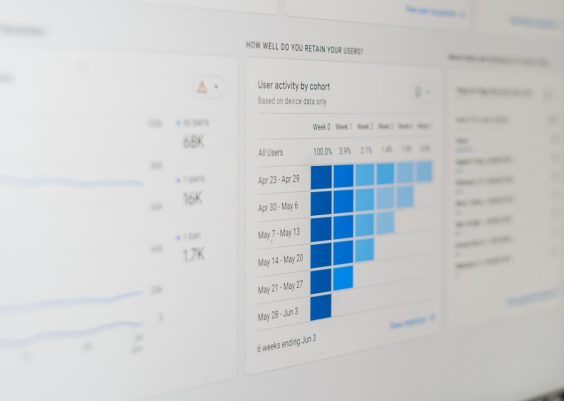
Customer churn remains one of the most significant challenges for modern businesses. Whether in SaaS, telecommunications, e-commerce, or subscription-based services, losing customers directly impacts revenue, profitability, and long-term growth. Predicting churn before it happens has become a strategic priority, and advances in data analytics and artificial intelligence have made churn prediction tools more powerful than ever. By understanding why customers leave and identifying early warning signals, companies can take proactive steps to retain valuable clients.
TLDR: Churn prediction tools use data, analytics, and machine learning to identify customers who are likely to leave. By analyzing behavioral patterns, transaction history, and engagement metrics, businesses can intervene early with personalized retention strategies. These tools reduce revenue loss, improve customer lifetime value, and help companies make smarter, data-driven decisions. When implemented correctly, churn prediction becomes a powerful engine for sustainable growth.
At its core, customer churn refers to the percentage of customers who stop doing business with a company over a given time period. While churn is inevitable to some extent, excessive churn signals deeper problems such as poor customer experience, inadequate support, or stronger competitors. Instead of reacting after customers cancel, churn prediction tools enable companies to shift from a reactive to a proactive approach.
Contents
Understanding How Churn Prediction Tools Work
Churn prediction tools rely on large volumes of data. These data points may include:
- Purchase history
- Customer support interactions
- Website or app usage behavior
- Email engagement metrics
- Subscription renewal patterns
- Demographic information
Using this data, machine learning algorithms detect patterns associated with customers who previously churned. For example, if past churned customers typically reduced logins three weeks before cancelling, the system can flag similar patterns in current users.

Modern churn prediction models often use techniques such as:
- Logistic regression for probability scoring
- Decision trees to map decision pathways
- Random forests for improved prediction accuracy
- Neural networks for complex pattern recognition
Each customer is assigned a churn risk score, allowing businesses to prioritize outreach based on likelihood and potential revenue impact.
Why Reducing Churn Matters More Than Ever
Acquiring a new customer often costs five to seven times more than retaining an existing one. Additionally, loyal customers tend to spend more and refer new business. High churn rates erode marketing budgets and reduce customer lifetime value (CLV).
Effective churn prediction supports:
- Higher customer lifetime value
- Improved profitability
- Better forecasting accuracy
- More efficient resource allocation
Instead of applying blanket discounts or broad retention campaigns, companies can focus their efforts on customers who genuinely need intervention.
Key Features of Effective Churn Prediction Tools
Not all churn prediction platforms are created equal. The most effective tools typically provide a combination of analytics, automation, and actionable insights.
1. Real-Time Data Processing
Customer behavior changes quickly. Tools that update churn scores in real time allow companies to act immediately when warning signs appear.
2. Customer Segmentation
Grouping users by risk level, revenue potential, or usage behavior allows for tailored messaging. For instance:
- High-value, high-risk customers may receive personalized outreach from account managers.
- Low-risk customers might receive loyalty rewards or upsell campaigns.
3. Explainable Insights
Advanced tools don’t just provide scores; they explain why a customer is at risk. This may include reduced platform engagement, delayed payments, or negative service feedback.
4. Integration with CRM and Marketing Systems
Seamless integration ensures that churn insights translate directly into automated workflows, such as triggered emails or support tickets.

Common Indicators of Customer Churn
While predictors vary by industry, several warning signs frequently signal churn risk:
- Decreased product usage
- Lower login frequency
- Unopened emails
- Frequent customer complaints
- Subscription downgrade
- Extended inactivity periods
Churn prediction tools analyze these micro-behaviors collectively rather than individually. A single missed login might not indicate risk—but combined with reduced spending and negative feedback, the probability increases significantly.
How Businesses Use Churn Predictions Strategically
Predicting churn is only valuable if action follows insight. Organizations typically use churn data in several strategic ways:
Personalized Retention Campaigns
Instead of sending generic retention emails, businesses can create highly targeted campaigns. For example, if a user’s engagement has dropped, automated tutorials or feature highlights might reignite interest.
Proactive Customer Support
High-risk customers can be flagged for outreach before frustration escalates. A simple check-in message like “Can we help you with anything?” often prevents cancellation decisions.
Pricing and Contract Optimization
Churn analysis can reveal whether pricing tiers contribute to cancellations. Companies may redesign packages to better match usage behavior and value expectations.
Product Improvement
Aggregated churn indicators often reveal product weaknesses. If users consistently abandon a feature or drop off during onboarding, that signals opportunities for improvement.

The Role of Artificial Intelligence in Churn Reduction
Artificial intelligence has amplified churn prediction capabilities by enabling continuous learning. Traditional models required manual updates and static assumptions. AI-powered systems evolve automatically as new data flows in.
Some advanced capabilities include:
- Behavioral clustering that identifies hidden user segments
- Sentiment analysis from customer support tickets or reviews
- Predictive lifetime value estimation
- Automated intervention optimization
For instance, AI can compare outcomes from previous retention efforts and recommend which incentive works best for a particular customer profile.
Measuring the Impact of Churn Prediction Tools
To assess effectiveness, businesses track both predictive performance and financial outcomes. Key metrics include:
- Churn rate reduction percentage
- Precision and recall of prediction models
- Customer lifetime value growth
- Retention campaign conversion rates
- Return on investment (ROI)
A successful churn model doesn’t just generate accurate predictions—it produces measurable improvements in revenue retention.
Challenges in Implementing Churn Prediction Systems
Despite their potential, churn tools come with implementation challenges. Data fragmentation, for example, can limit model accuracy. If customer information is spread across disconnected systems, predictive insights may be incomplete.
Other common obstacles include:
- Poor data quality
- Insufficient historical data
- Lack of cross-department collaboration
- Overreliance on automated decisions without human review
To overcome these issues, companies must align marketing, product, sales, and customer support teams around a unified data strategy.
Best Practices for Reducing Customer Churn
Churn prediction tools are most effective when combined with broader customer-centric strategies. Consider the following best practices:
- Invest in onboarding: Ensure customers quickly understand value.
- Monitor engagement regularly: Identify behavioral dips early.
- Collect feedback often: Use surveys and Net Promoter Score tracking.
- Segment intelligently: Treat high-value customers differently.
- Test retention offers: Continuously refine incentives.
Retention should not be treated as an isolated initiative; it must be embedded into the entire customer lifecycle.
The Future of Churn Prediction
The evolution of big data, AI, and personalization will make churn prediction increasingly precise. In the near future, predictive tools may integrate real-time behavioral nudges, automatically adjusting user experiences based on churn probability.
Imagine a system that detects hesitation during checkout and instantly offers support, or a streaming platform that curates content based on predicted engagement decline. These innovations turn churn management into a seamless, behind-the-scenes process.
Ultimately, churn prediction tools represent more than just analytics software. They empower organizations to understand customers at a deeper level, anticipate needs, and foster meaningful relationships. Businesses that embrace predictive retention strategies position themselves for sustainable growth in an increasingly competitive marketplace.
Reducing churn is not simply about preventing loss—it’s about strengthening loyalty, refining experiences, and creating long-term value for both customers and companies alike.