Libraries are evolving rapidly in response to the digital age, growing collections, and the increasing demand for inclusive services. To meet these challenges, many institutions are turning to library management apps that streamline operations, improve catalog organization, and enhance accessibility for all users. These applications serve public libraries, schools, universities, and private collections by offering centralized systems that simplify daily tasks while expanding reach.
TLDR: Library management apps help institutions organize collections, automate tasks, and improve accessibility for diverse users. They centralize cataloging, circulation, reporting, and digital resource management in one platform. Many apps also include accessibility features such as screen reader compatibility and multilingual interfaces. Overall, they make libraries more efficient, inclusive, and user-friendly.
As libraries continue to shift from purely physical repositories to hybrid knowledge hubs, the importance of technology-driven organization becomes clear. By integrating digital tools, librarians can reduce manual workloads and focus more on community engagement, education, and resource development.
Contents
How Library Management Apps Improve Organization
One of the primary advantages of a library management app is improved organization. Traditional systems often rely on manual data entry, paper logs, or outdated databases. In contrast, modern apps provide automated cataloging, real-time updates, and integrated search features.

Key organizational benefits include:
- Centralized Cataloging: All materials—books, eBooks, audiobooks, journals, and multimedia—can be stored in one searchable system.
- Barcode and RFID Integration: Items can be tracked easily for checkouts and returns.
- Automated Classification: Systems often support Dewey Decimal, Library of Congress, or custom categorization.
- Real-Time Inventory Management: Staff can instantly see which items are available, reserved, or overdue.
- Cloud-Based Access: Data can be accessed securely from multiple devices and locations.
These features reduce human error and minimize the time spent on repetitive administrative tasks. With streamlined organization, staff can quickly locate materials and assist patrons more effectively.
Enhancing Accessibility for All Users
Modern libraries prioritize inclusivity, and library management apps play a significant role in achieving that goal. Accessibility improvements extend to both digital users and those visiting physical locations.
Many applications include built-in features such as:
- Screen Reader Compatibility: Supports visually impaired users through assistive technology integration.
- Adjustable Text Size and Contrast: Improves readability for users with vision challenges.
- Multilingual Interfaces: Helps serve diverse communities.
- Mobile App Access: Allows patrons to browse, reserve, and renew items from home.
- Voice Search Capabilities: Simplifies navigation for users with mobility limitations.
By offering digital catalogs that can be personalized and accessed remotely, libraries remove many traditional barriers. For instance, patrons who are unable to travel due to physical limitations can reserve books online and arrange for pickup or digital access.
Streamlining Circulation and Borrowing
Circulation management is another crucial area where apps provide measurable improvement. Manual tracking of borrowed materials can lead to misplaced books or inaccurate records. A dedicated management system automates borrowing workflows and maintains detailed histories.
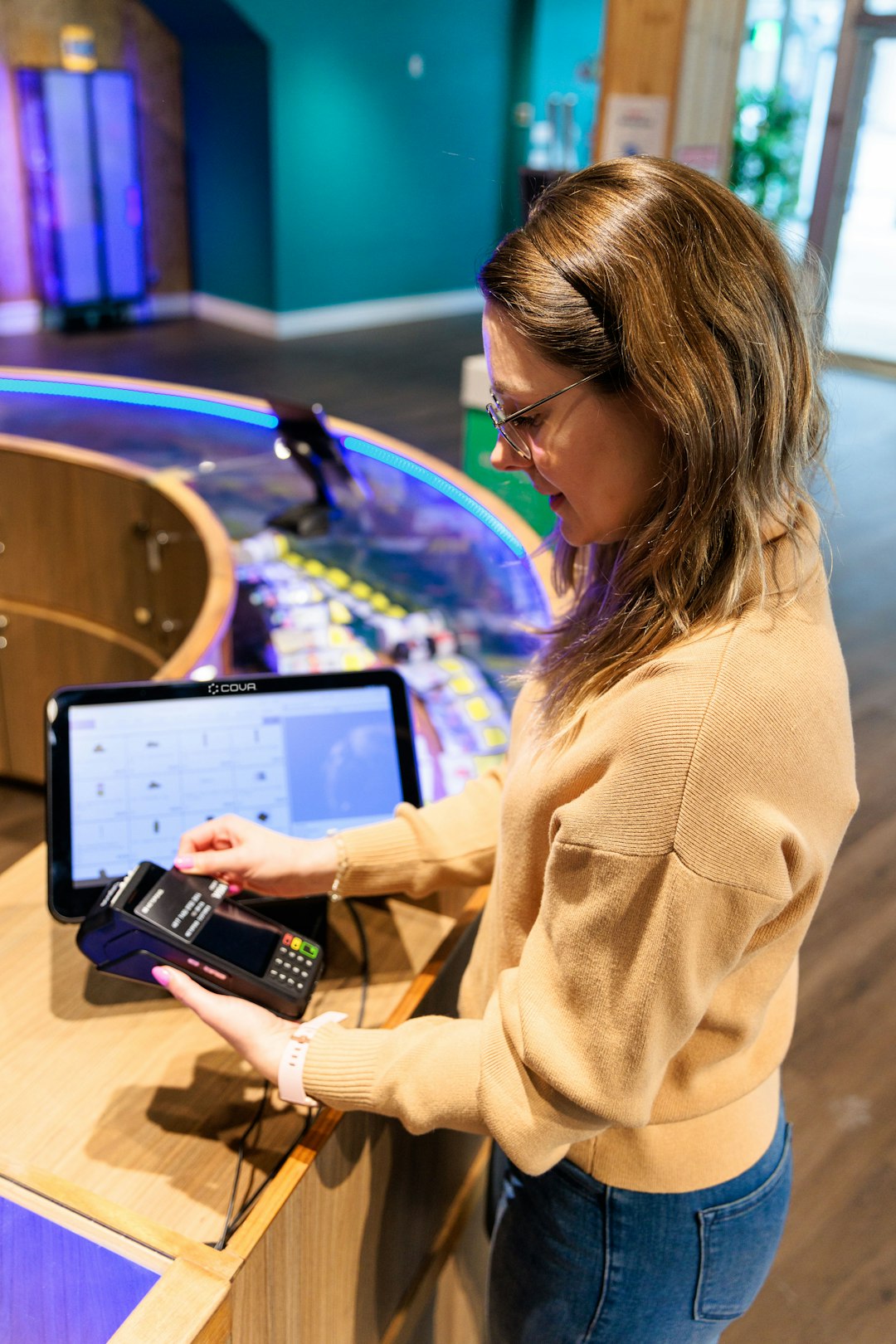
Important circulation features often include:
- Automated Check-In/Check-Out: Fast scanning reduces wait times.
- Email and SMS Reminders: Automated notifications for due dates and overdue items.
- Online Renewals: Patrons can extend loans remotely.
- Reservation Queues: Fair and transparent hold systems.
- Fine Calculation Tools: Automated fee management and reporting.
These functions benefit both library staff and visitors. Staff experience reduced administrative burden, while patrons enjoy faster service and fewer complications.
Supporting Digital Resource Management
As digital collections continue to grow, managing eBooks, online journals, databases, and multimedia content becomes increasingly complex. Library management apps consolidate these resources into unified platforms.
Through integration with digital licensing services, users can:
- Access downloadable eBooks and audiobooks.
- Stream educational videos.
- Search academic databases.
- Monitor borrowing limits in real time.
This seamless integration ensures that digital materials are just as organized and accessible as physical resources. In many cases, apps also provide analytics tools that track digital usage trends, helping libraries make data-driven decisions about future acquisitions.
Improving Staff Productivity
Library management apps are not only patron-focused—they significantly enhance staff efficiency. By automating repetitive tasks such as overdue notices and inventory tracking, librarians can dedicate more time to programming, outreach, and personalized support.
Administrative dashboards provide:
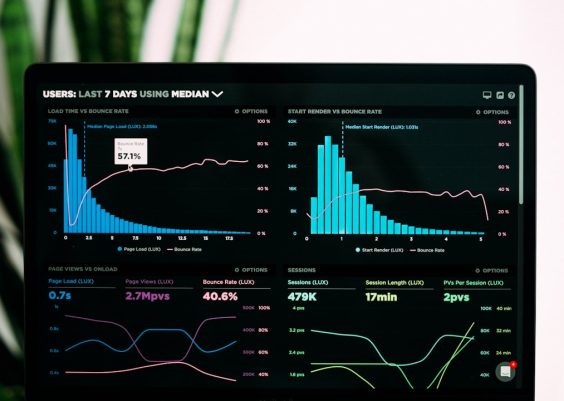
- Real-Time Reports: Insights into circulation statistics and peak usage times.
- User Behavior Analysis: Data on popular genres and frequently borrowed materials.
- Acquisition Planning Tools: Helps determine which collections need expansion.
- Budget Monitoring: Tracks spending on physical and digital materials.
With access to reliable data, decision-makers can allocate resources wisely. For example, if reports show increased interest in language learning materials, the library can expand that section accordingly.
Facilitating Community Engagement
Libraries are community hubs, hosting events, workshops, and reading programs. Many management apps now include built-in event scheduling and communication tools.

Features often include:
- Online Event Registration: Patrons can sign up for workshops and classes.
- Automated Announcements: Newsletters and push notifications for upcoming activities.
- Room Booking Systems: Reserve study rooms or meeting spaces.
- Volunteer Coordination: Manage schedules and participation records.
By integrating engagement tools into one system, libraries create a more dynamic environment. Users remain informed, and participation becomes more convenient.
Enhancing Security and Data Protection
Security is a critical aspect of library operations. Management apps provide layered protections that safeguard both inventory and patron data.
Common security features include:
- Encrypted User Information: Protects personal details.
- Role-Based Access: Limits staff permissions to necessary functions.
- Inventory Tracking Alerts: Identifies missing or mis-shelved items.
- Cloud Backups: Prevents data loss due to hardware failure.
By maintaining secure and reliable records, libraries build trust with their communities while ensuring operational continuity.
Customization for Different Library Types
Not all libraries have the same needs. Public, academic, school, and private libraries require tailored solutions. Many apps offer scalable modules that adapt to varying collection sizes and user populations.
For example:
- School Libraries: Focus on student records integration and reading progress tracking.
- Academic Libraries: Emphasize research database management and citation tools.
- Public Libraries: Highlight community programming and diverse language support.
- Private Collections: Offer simplified cataloging and archival features.
This adaptability ensures that organizations of all sizes can benefit from improved organization and accessibility without overpaying for unnecessary features.
The Future of Library Management Apps
Emerging technologies such as artificial intelligence and machine learning are shaping the future of library systems. Intelligent recommendation engines can suggest books based on borrowing history, while predictive analytics anticipate peak usage periods.
Mobile-first design is also becoming standard. As more users rely on smartphones, seamless app performance across devices is essential. Integration with smart kiosks, digital signage, and contactless borrowing systems further modernizes the library experience.
Ultimately, the goal remains consistent: to make knowledge accessible and organized for everyone. By embracing digital tools, libraries ensure they remain relevant and responsive in a technology-driven world.
Frequently Asked Questions (FAQ)
1. What is a library management app?
A library management app is software designed to organize, catalog, and manage library resources. It automates tasks such as checkouts, returns, inventory tracking, reporting, and digital content management.
2. How do these apps improve accessibility?
They include features like screen reader compatibility, mobile access, multilingual interfaces, and remote reservation options, making library services more inclusive and convenient.
3. Are library management apps suitable for small libraries?
Yes. Many solutions are scalable and offer packages tailored to small schools, community libraries, and private collections.
4. Can patrons access digital resources through these apps?
Most modern systems integrate with eBook platforms, online journals, and multimedia streaming services, allowing users to access digital materials directly.
5. Do library management apps help reduce operational costs?
By automating routine tasks and minimizing errors, these apps reduce administrative workload and improve efficiency, which can lower long-term operational expenses.
6. How secure is patron data in these systems?
Reputable apps use encryption, secure cloud storage, and permission-based access controls to protect sensitive information.
Through enhanced organization, improved accessibility, and streamlined operations, library management apps empower institutions to serve their communities more effectively than ever before.