
In the world of digital payments, few names are as recognizable as PayPal and Venmo. Whether you are splitting a dinner bill, sending rent money, or paying a freelancer, chances are one of these platforms has crossed your screen. But many users still wonder about the relationship between them. Does PayPal own Venmo? The short answer is yes—but the full story is far more interesting.
TLDR: Yes, PayPal owns Venmo. PayPal acquired Venmo in 2013 through its purchase of parent company Braintree for $800 million. Since then, Venmo has continued to operate as a separate app under PayPal’s umbrella, focusing on social peer to peer payments. While the two platforms serve similar purposes, they target slightly different audiences and offer distinct features.
Contents
The Origins of Venmo
Venmo was founded in 2009 by Andrew Kortina and Iqram Magdon-Ismail. The idea reportedly began after one of the founders forgot his wallet and needed an easy way to send money to a friend. What started as a simple text-message-based payment system quickly evolved into a mobile app with a social twist.
Unlike traditional banking apps, Venmo made sending money feel fun and interactive. Users could:
- Add emojis to payments
- Write short descriptions
- Like and comment on friends’ transactions
- Share payments publicly or privately
This social feed element helped Venmo stand out in a growing digital payments market. It especially gained popularity among college students and young professionals who appreciated its ease of use and social integration.
How PayPal Entered the Picture
Before PayPal directly acquired Venmo, the app was purchased by Braintree in 2012. Braintree was a rapidly expanding online payments company that specialized in helping businesses process mobile and web transactions.
Then, in 2013, PayPal acquired Braintree for approximately $800 million in cash. Because Venmo was part of Braintree’s portfolio, ownership transferred to PayPal as part of the deal.
This move was strategic. At the time, PayPal was looking for:
- Stronger mobile capabilities
- A foothold among younger users
- Competitive positioning against emerging fintech startups
- Access to Braintree’s merchant network
By acquiring Braintree, PayPal didn’t just get Venmo—it gained an entire modern payments infrastructure.
Why PayPal Bought Venmo
When PayPal was founded in the late 1990s, it became synonymous with online payments, particularly for eBay transactions. However, by the early 2010s, consumer behavior had shifted dramatically toward smartphones and peer-to-peer mobile payments.
Apps like Venmo were growing quickly, while traditional payment platforms risked feeling outdated.
PayPal saw Venmo as:
- A gateway to Millennials and Gen Z
- An innovative product with strong brand loyalty
- A social-first experience PayPal lacked
- A competitive response to platforms like Square Cash (now Cash App)
Instead of trying to replicate Venmo’s energy inside its main app, PayPal wisely chose to let Venmo retain its identity.
Does Venmo Operate Independently?
Although PayPal owns Venmo, the two platforms function as distinct products. They have different user experiences, branding, and even tone of communication.
Key Differences Between PayPal and Venmo:
- Target Audience: Venmo targets younger users; PayPal has broader demographics including businesses.
- Social Features: Venmo includes a public feed and social interactions; PayPal does not.
- Business Tools: PayPal offers more robust invoicing, international payments, and merchant services.
- Global Availability: PayPal operates globally; Venmo is primarily U.S.-based.
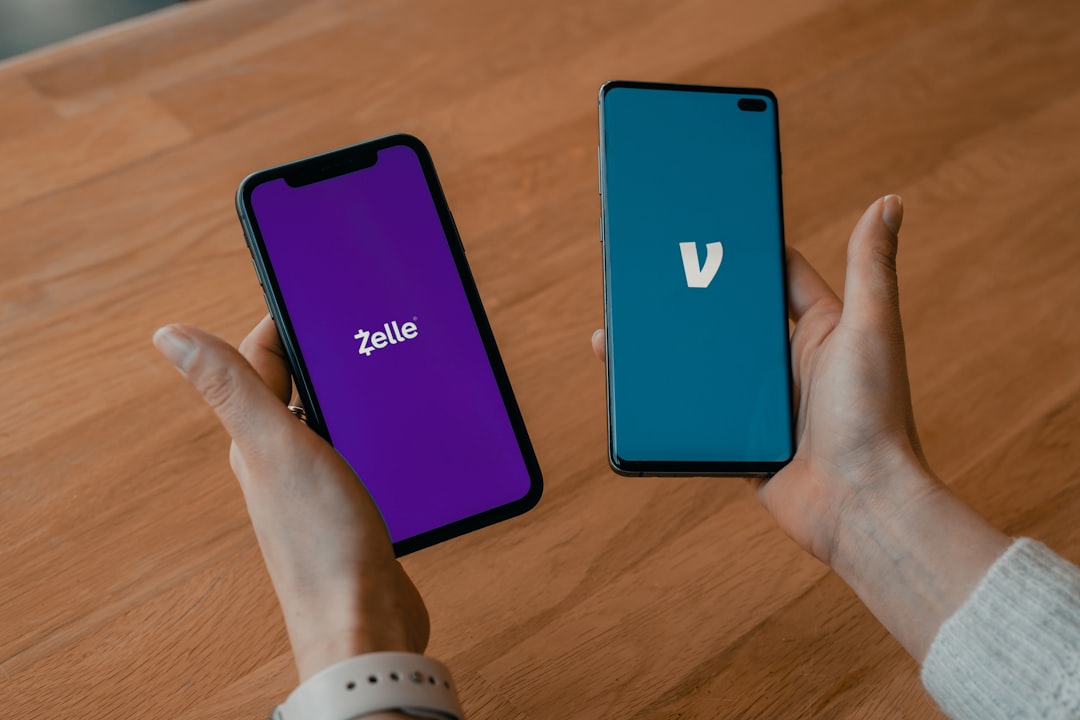
Despite their differences, both platforms share backend infrastructure and corporate oversight from PayPal Holdings, Inc., which became an independent publicly traded company in 2015 after separating from eBay.
A Quick Comparison Chart
| Feature | Venmo | PayPal |
|---|---|---|
| Founded | 2009 | 1998 |
| Ownership | Owned by PayPal (since 2013) | Independent public company |
| Primary Use | Peer to peer payments | Online payments and business transactions |
| International Use | Primarily U.S. only | Global |
| Social Features | Yes | No |
| Business Tools | Limited but expanding | Extensive merchant services |
How Venmo Makes Money Under PayPal
For years, skeptics questioned whether Venmo could generate meaningful revenue. Initially, the platform focused on growth rather than profit. But under PayPal’s ownership, monetization strategies matured.
Venmo now earns money through:
- Instant transfer fees
- Credit card transaction fees
- Merchant payment processing
- Venmo debit and credit cards
- Buy with Venmo at online checkout
By integrating Venmo into PayPal’s broader merchant ecosystem, PayPal turned what was once just a peer to peer app into a powerful commerce tool.
Is Venmo Replacing PayPal?
Despite their shared ownership, Venmo is not replacing PayPal. Instead, they complement each other. You can think of them as siblings rather than competitors.
Venmo excels in casual, social transactions. Splitting rent, paying a friend back for coffee, reimbursing a roommate—these are Venmo’s strengths.
PayPal dominates formal and commercial transactions. International transfers, online store checkouts, business invoicing—these remain PayPal’s core territory.
Interestingly, PayPal has even integrated Venmo into its checkout systems. Many online retailers now offer a “Pay with Venmo” option, allowing users to complete transactions without leaving the checkout page.
Security and Regulation
Because Venmo is owned by PayPal, it benefits from the same security infrastructure and regulatory oversight. This includes:
- Encryption technology
- Fraud monitoring systems
- Identity verification protocols
- Compliance with financial regulations
However, Venmo’s public transaction feed has sometimes raised privacy concerns. Users must manually adjust privacy settings if they do not want transaction descriptions visible to others. PayPal, by contrast, offers a more traditionally private experience.
What About Competition?
PayPal’s acquisition of Venmo was partly defensive. Around the same time, competitors were gaining traction:
- Cash App by Square (now Block)
- Zelle backed by major banks
- Apple Pay
- Google Pay
Each offered slightly different advantages—bank integration, cryptocurrency features, or hardware ecosystem alignment. Owning Venmo gave PayPal stronger leverage in this rapidly evolving fintech landscape.
The result? PayPal Holdings now operates a diversified ecosystem of financial services rather than relying on a single product.
The Bigger Picture: PayPal Holdings, Inc.
Today, PayPal Holdings, Inc. owns multiple companies and services beyond Venmo. These include Braintree and other payment-related technologies.
The company’s strategy centers on:
- Digital wallets
- Peer to peer payments
- Ecommerce processing
- Small business tools
- Financial services innovation
Venmo plays a critical role within this ecosystem by acting as a lifestyle-oriented payment app that keeps younger users within the PayPal family.
So, Does PayPal Own Venmo? Absolutely.
To directly answer the central question: Yes, PayPal owns Venmo. It has since 2013, when it acquired Braintree. But ownership has not erased Venmo’s brand identity. Instead, PayPal has allowed it to evolve with relative independence while benefiting from shared infrastructure and corporate backing.
This acquisition is often cited as one of PayPal’s smartest strategic moves. It strengthened PayPal’s presence in mobile payments, preserved relevance with younger consumers, and expanded monetization opportunities.
In today’s digital economy, where convenience and speed drive consumer behavior, Venmo and PayPal together form a powerful combination. One offers playful social simplicity. The other delivers robust global payment capabilities. And behind both stands the same corporate parent: PayPal Holdings, Inc.
If you use either app, you are participating in the same financial ecosystem—even if the experiences feel worlds apart.