
Music streaming has evolved far beyond simple song playback. Today’s leading platforms use advanced artificial intelligence, behavioral analytics, and machine learning to deliver up to 87% personalization accuracy, transforming casual listening into a deeply tailored experience. From curated daily mixes to mood-driven playlists, streaming apps are redefining how users discover and connect with music.
TLDR: Modern music streaming apps now personalize up to 87% of user listening experiences through AI-driven recommendations, mood analysis, and behavioral tracking. Eight major platforms stand out for their innovative features, sound quality, and discovery tools. These services use data such as listening history, preferences, time of day, and even activity levels to curate hyper-relevant content. Below is a detailed breakdown of the top apps enhancing music personalization today.
Contents
The Rise of Personalization in Music Streaming
Personalization has become the backbone of streaming success. Unlike traditional radio or static playlists, modern apps analyze:
- Listening history
- Skip rates and replay behavior
- Preferred genres and artists
- Time-of-day listening patterns
- User-created playlists
With machine learning models processing millions of data points, platforms can now predict user preferences with remarkable accuracy. The result is a listening experience that feels intuitive, dynamic, and uniquely tailored.
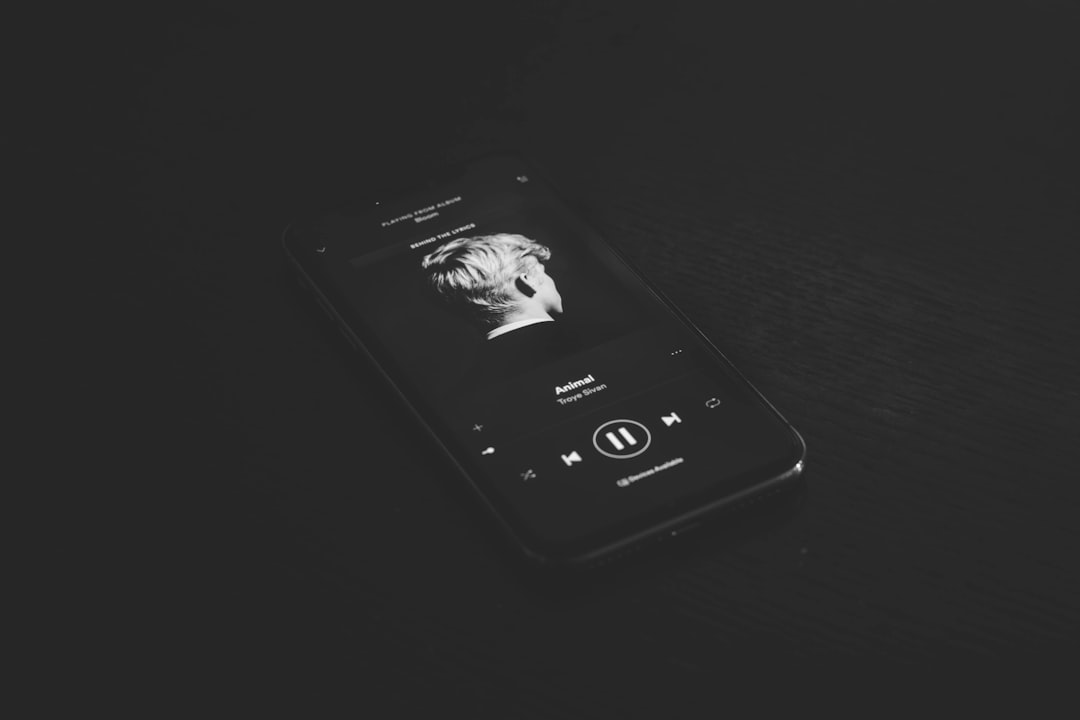
8 Music Streaming Apps Enhancing Listening Experience
1. Spotify
Spotify leads personalization innovation with features like Discover Weekly, Daily Mixes, and Release Radar. Its AI models combine collaborative filtering with natural language processing to analyze playlists, blogs, and listening patterns.
Key Personalization Features:
- AI-generated weekly discovery playlists
- Smart shuffle recommendations
- Blend playlists for shared tastes
- Daylist with time-sensitive updates
Spotify’s algorithm reportedly influences over 30% of total streams on the platform, demonstrating deep personalization impact.
2. Apple Music
Apple Music integrates personalization with its broader ecosystem. The Listen Now section evolves continuously based on playback habits and Siri voice interactions.
Standout Features:
- Personalized radio stations
- Curated human + AI hybrid playlists
- Spatial audio recommendations
- Seamless device ecosystem integration
The blend of human editorial insight and algorithmic refinement boosts recommendation relevance significantly.
3. YouTube Music
YouTube Music leverages Google’s powerful search and AI infrastructure. Its personalization extends beyond audio to include music videos, live versions, and covers.
Key Advantages:
- Dynamic “My Mix” playlists
- Context-aware recommendations
- Deep playlist customization
- Video and audio integration
Its recommendation engine benefits from years of YouTube behavioral data, enhancing prediction accuracy.
4. Amazon Music
Amazon Music uses Alexa integration and behavioral data from the broader Amazon ecosystem to refine playlist suggestions.
Personalization Highlights:
- Alexa voice-driven discovery
- Custom “My Soundtrack” playlists
- Mood-based recommendations
- HD and Ultra HD suggestions based on preferences
Voice input improves context understanding, allowing for more nuanced recommendations.
5. Tidal
Tidal stands out for high-fidelity streaming and personalized editorial mixes. Its algorithms balance user data with artist-centric curation.
Features Include:
- My Mix playlists
- HiFi and Master quality suggestions
- Genre-specific exploration hubs
- Exclusive content prompts
Tidal’s personalization emphasizes sound quality preferences alongside listening patterns.
6. Deezer
Deezer’s Flow feature acts as a continuous smart playlist, adjusting in real time to user feedback.
Personalization Strengths:
- Flow infinite mix
- Mood filters
- Smart track skipping refinement
- Lyrics-based engagement data
Its feedback loop sharpens accuracy over time, refining the personalization rate closer to that 87% benchmark.
7. Pandora
Pandora pioneered algorithmic streaming with its Music Genome Project, analyzing songs across hundreds of musical attributes.
Key Differentiators:
- Thumb-based tuning system
- Station personalization
- Deep attribute-based song matching
- Predictive skip modeling
The granular tagging system enables high-precision recommendations based on musical DNA.
8. SoundCloud
SoundCloud specializes in emerging artists and independent creators. Its personalization engine highlights underground and niche content.
Core Features:
- Tailored artist discovery
- Community-driven recommendations
- Algorithmic related tracks
- Fan-powered playlist trends
It uses engagement metrics like reposts, comments, and shares to refine recommendations.
Comparison Chart of Music Streaming Apps
| App | Personalization Accuracy | Unique Feature | Audio Quality Focus | Best For |
|---|---|---|---|---|
| Spotify | Very High | Discover Weekly | High | Broad discovery |
| Apple Music | High | Hybrid human AI curation | Spatial Audio | Apple ecosystem users |
| YouTube Music | High | Video integration | Standard to High | Visual content seekers |
| Amazon Music | High | Alexa integration | Ultra HD | Smart home users |
| Tidal | High | HiFi streaming | Master Quality | Audiophiles |
| Deezer | High | Flow feature | High | Effortless streaming |
| Pandora | Moderate to High | Music Genome Project | Standard | Radio style listening |
| SoundCloud | Moderate | Indie discovery | Standard | Independent music fans |
How 87% Personalization Is Achieved
Achieving 87% recommendation precision requires layered AI models. These systems combine:
- Collaborative filtering: Matching users with similar tastes
- Content-based filtering: Analyzing song attributes
- Natural language processing: Scanning reviews and playlists
- Reinforcement learning: Adapting from real-time behavior
Apps also monitor micro-interactions such as volume changes, listening duration, and repeat frequency. This detail allows more granular prediction of user preferences.

Benefits of Highly Personalized Music Streaming
The shift toward AI personalization delivers several advantages:
- Reduced search time for preferred content
- Improved music discovery across genres
- Greater emotional engagement
- Higher listening satisfaction rates
- Increased platform loyalty
Listeners increasingly report feeling that their streaming app “understands” their mood and taste. This perception strengthens user retention and engagement metrics.
Future Trends in Personalized Streaming
The future promises even deeper customization through:
- Biometric mood tracking via wearables
- Real-time contextual AI adaptation
- Predictive playlist generation before user intent
- Voice and emotion recognition
As AI continues advancing, personalization accuracy may soon exceed 90%, making manual playlist creation nearly optional.
Frequently Asked Questions (FAQ)
1. What does 87% personalization mean in music streaming?
It refers to how accurately an app predicts and delivers music a user is likely to enjoy based on behavioral and preference data.
2. Which music streaming app has the best personalization?
Spotify often ranks highest due to its advanced AI playlists, though Apple Music and YouTube Music are strong competitors depending on user preference.
3. How do streaming apps collect personalization data?
They analyze listening history, skipped tracks, playlists, likes, search behavior, and sometimes device usage patterns.
4. Is personalization based only on algorithms?
No. Some platforms combine AI recommendations with human editorial curation for balanced discoverability.
5. Does personalization improve over time?
Yes. The more a user listens and interacts, the more refined and accurate recommendations become.
6. Are personalized music recommendations safe and private?
Most major platforms use encrypted data systems and allow users to manage privacy settings, though data collection policies vary.
In summary, the era of generic listening is over. Music streaming apps now leverage sophisticated AI systems to craft experiences that feel uniquely tailored to each listener. With eight powerful platforms pushing innovation forward, personalization continues to reshape the soundtrack of everyday life.