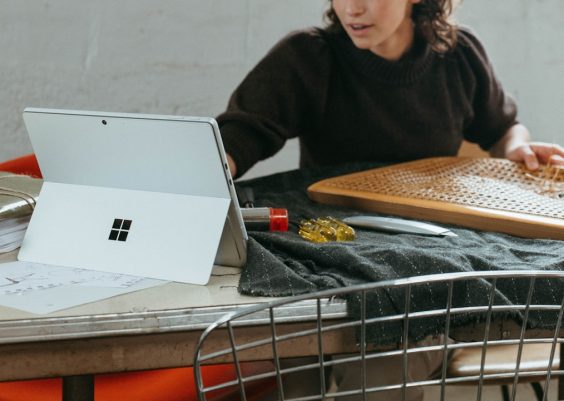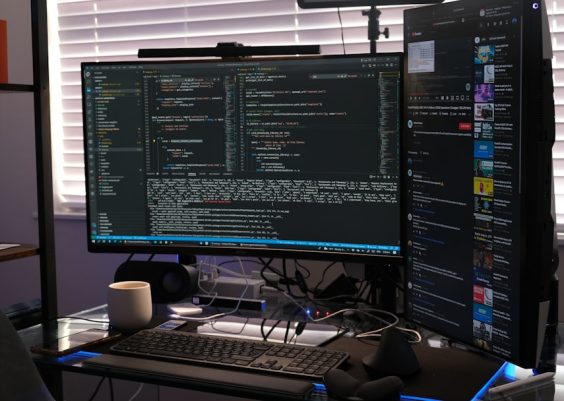
High-quality product photography has long been one of the biggest expenses in ecommerce. From studio rentals and professional photographers to lighting setups and post-production editing, traditional product shoots can quickly become time-consuming and costly. Today, however, AI image generator platforms are transforming how online sellers create stunning product mockups. With just a product photo—or sometimes even a simple prompt—brands can generate realistic lifestyle images, studio shots, and branded visuals in minutes.
TLDR: AI image generators are revolutionizing ecommerce by enabling sellers to create professional product mockups without expensive photo shoots. These platforms allow users to generate realistic studio and lifestyle images using prompts or base product photos. In this article, we explore five leading AI image generator platforms, compare their features, and explain which types of ecommerce businesses can benefit most from each. If you want faster, more scalable product photography, these tools are worth exploring.
Below are five powerful AI image generator platforms that are helping ecommerce brands scale visual content quickly and affordably.
Contents
1. Midjourney
Best for artistic and highly stylized product mockups
Midjourney has become one of the most recognized AI image generation tools on the market. Known for its visually striking, hyper-detailed outputs, it is particularly useful for ecommerce brands that want bold, scroll-stopping visuals.
With Midjourney, sellers can generate product scenes by writing detailed prompts. For example, a candle brand might request: “Luxury soy candle on marble table, natural window light, soft shadows, lifestyle photography, high detail.” The result can closely resemble a professional editorial shoot.
Key Benefits:
- Extremely high-quality, artistic visuals
- Strong community for prompt inspiration
- Highly customizable scene composition
- Great for social media and advertising creatives
Limitations:
- Requires strong prompting skills
- Less streamlined specifically for ecommerce workflows
- No built-in direct ecommerce integrations
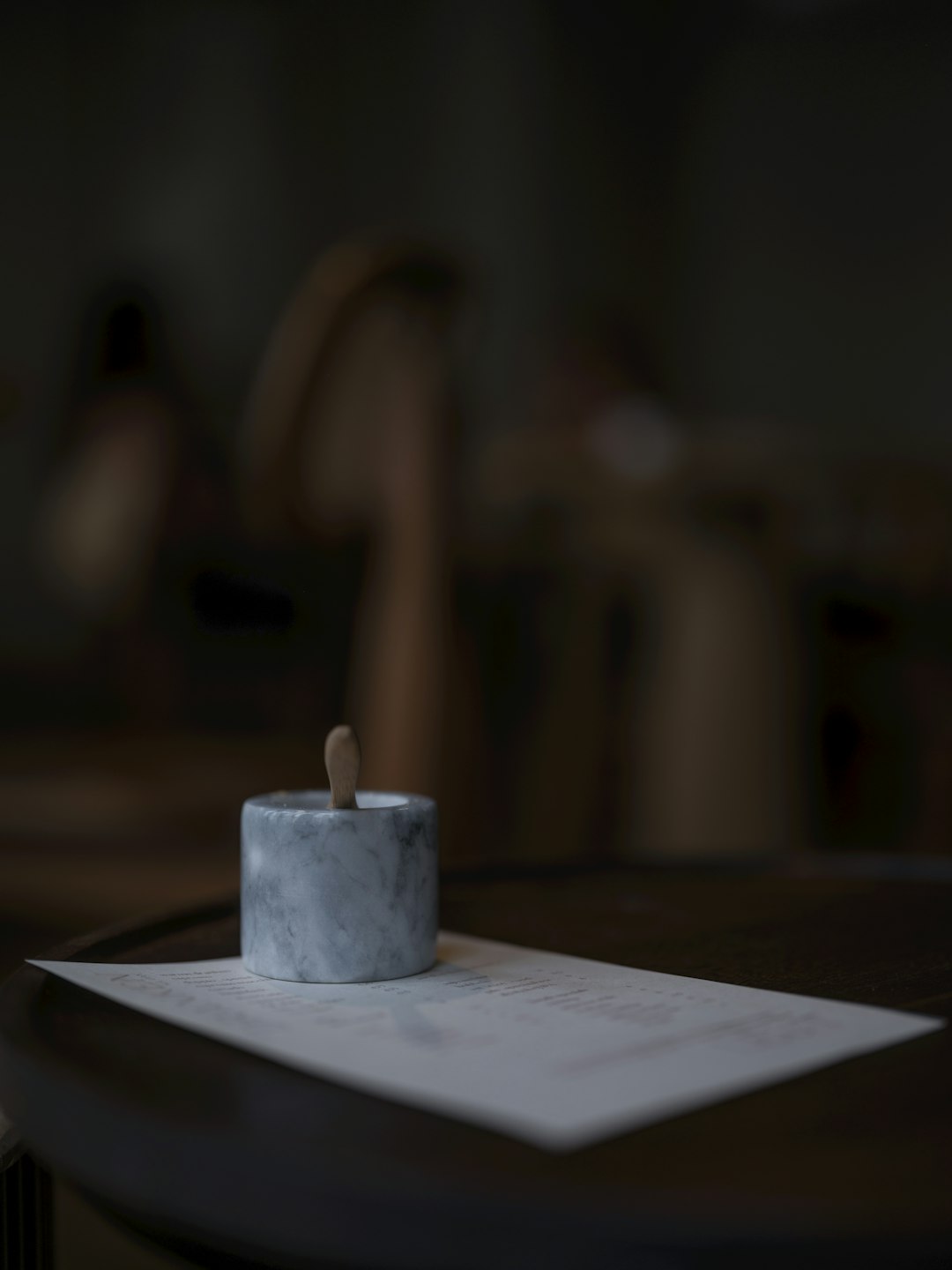
Midjourney excels when brands want mood-driven visuals that elevate perception and create emotional impact, especially for fashion, beauty, and home decor products.
2. DALL·E
Best for flexible product concept generation and clean mockups
DALL·E is known for its ability to generate realistic images from text prompts and edit existing images with precision. For ecommerce sellers, this means you can upload an image of your product and place it into entirely new scenes without reshooting.
One of its strengths lies in image editing. For example, you can upload a plain product photo with a white background and instruct the AI to “place this product on a modern wooden kitchen counter with morning sunlight.” The system adapts lighting, shadows, and perspective to match.
Key Benefits:
- Strong image editing and inpainting capabilities
- Realistic lighting adjustments
- Accessible and user-friendly interface
- Ideal for updating existing product photos
Limitations:
- May require multiple attempts for perfect realism
- Less stylized than some competitors
DALL·E is particularly useful for small to mid-sized ecommerce brands looking to upgrade their product imagery without completely reinventing their visual identity.
3. Adobe Firefly
Best for brands already using Adobe Creative Cloud
Adobe Firefly integrates AI image generation directly into tools like Photoshop. For ecommerce businesses already working within the Adobe ecosystem, this provides a seamless workflow.
Firefly allows users to generate backgrounds, extend canvases, replace scenes, and create entirely new product setups within existing files. The integration with Photoshop makes it easy to refine lighting, shadows, and textures for polished final results.
Key Benefits:
- Native integration with Photoshop
- Commercial-friendly licensing
- Advanced image editing controls
- Suitable for professional design teams
Limitations:
- Works best within the Adobe ecosystem
- May feel complex for beginners
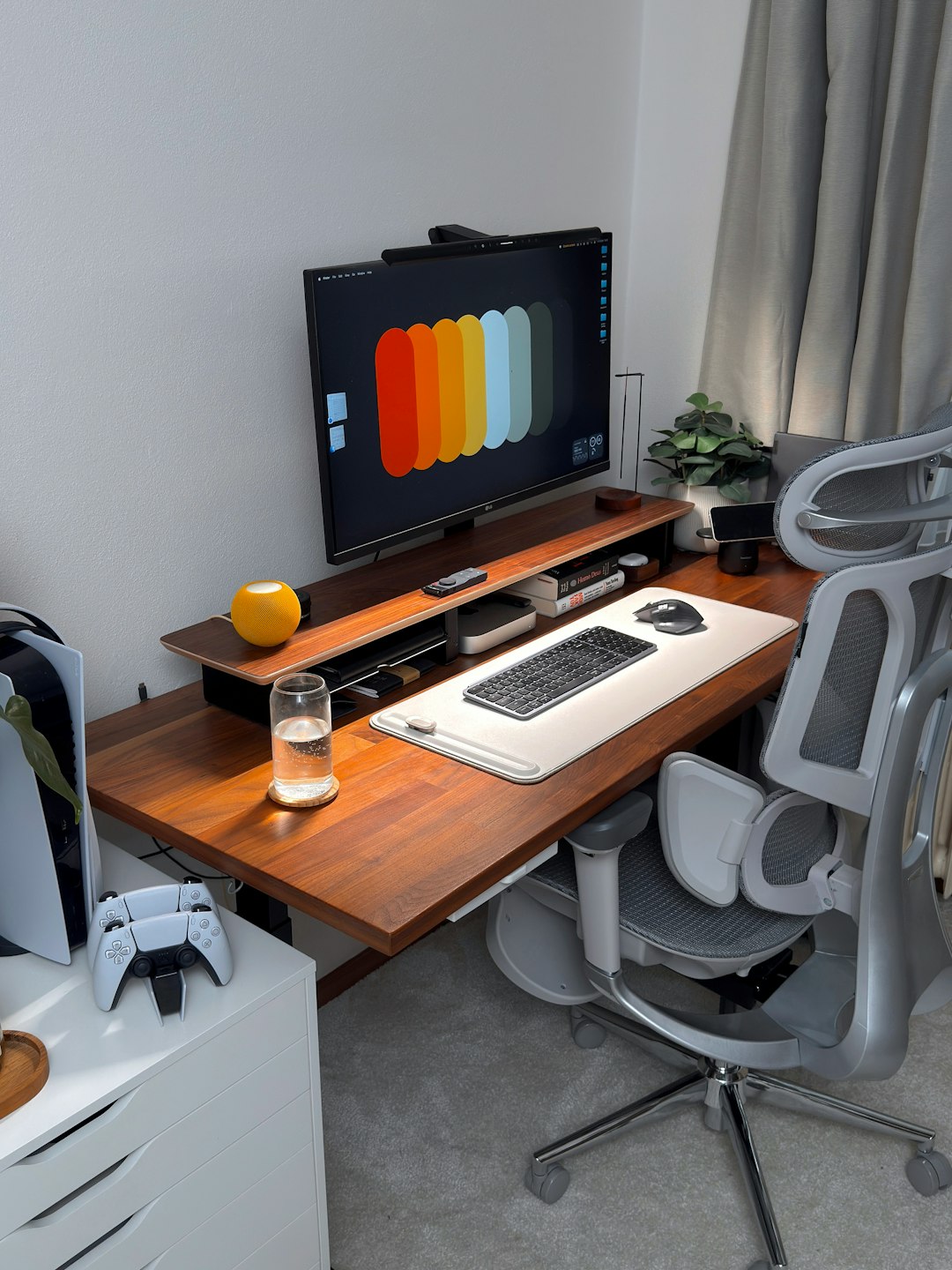
Firefly is ideal for established ecommerce brands with in-house designers who want AI enhancement rather than a completely new standalone tool.
4. Pebblely
Best for fast ecommerce-focused background generation
Pebblely is specifically designed for ecommerce sellers. Unlike broader AI art generators, it focuses on product photography mockups. You simply upload a product image, select a theme or background style, and the platform generates realistic lifestyle scenes.
This tool is particularly strong for marketplaces like Amazon, Shopify, and Etsy sellers who need volume images quickly. Pebblely automatically handles lighting adjustments and environmental blending, creating natural-looking results.
Key Benefits:
- Built specifically for ecommerce
- Fast, simple workflow
- No complex prompt writing required
- Bulk generation possibilities
Limitations:
- Less creative freedom than open AI art tools
- Primarily background-focused
Pebblely works well for solopreneurs and small businesses who want clean, consistent, and scalable product visuals without a steep learning curve.
5. Flair AI
Best for branded product content and marketing scenes
Flair AI is another ecommerce-focused image generator that emphasizes product staging. It allows users to drag and drop products into scenes, adjust lighting conditions, and create branded compositions for ads and online stores.
Flair excels when brands want cohesive visual campaigns. For example, you can create seasonal campaigns—summer beach themes, holiday gift setups, or minimalist luxury backdrops—with consistent visual style.
Key Benefits:
- Built for product marketing
- Drag and drop scene building
- Strong for ad creatives and social campaigns
- Team-friendly collaboration features
Limitations:
- Not as flexible for abstract art styles
- Premium features may require higher-tier plans

Flair AI bridges the gap between simple mockup tools and full creative studios, making it a strong option for growing direct-to-consumer brands.
Comparison Chart
| Platform | Best For | Ease of Use | Customization Level | Ecommerce Focus |
|---|---|---|---|---|
| Midjourney | Artistic lifestyle mockups | Moderate | Very High | Low |
| DALL·E | Realistic scene editing | High | High | Moderate |
| Adobe Firefly | Professional design workflows | Moderate | Very High | Moderate |
| Pebblely | Quick ecommerce backgrounds | Very High | Moderate | High |
| Flair AI | Branded marketing visuals | High | High | High |
How to Choose the Right Platform
When selecting an AI image generator for ecommerce product photography mockups, consider the following:
- Your technical skill level: Platforms like Pebblely and Flair AI are easier for beginners.
- Your creative direction: If you need high-art visuals, Midjourney may lead.
- Your workflow: Adobe users will benefit from Firefly integration.
- Volume needs: High product catalogs require automation-friendly tools.
- Brand consistency: Look for tools that help maintain unified aesthetics.
AI tools are not meant to completely replace professional photography in all cases. However, they are powerful supplements. For product launches, seasonal campaigns, A/B testing visuals, or marketplace expansion, AI-generated mockups can drastically reduce costs while speeding up time to market.
The Future of AI in Product Photography
As AI models continue to improve, realism is becoming nearly indistinguishable from traditional photography. Advanced lighting simulation, material rendering, and perspective correction are enabling ecommerce brands to achieve editorial-level visuals without studio rentals.
In the near future, we can expect:
- More automation for bulk product uploads
- Direct Shopify and Amazon integrations
- Improved consistency across product lines
- AI-driven brand style training for custom outputs
The competitive edge in ecommerce often comes down to presentation. With AI image generator platforms, businesses of all sizes now have access to tools that previously required significant budgets and production teams.
Final Thought: The barrier to high-end product photography has never been lower. Whether you are a startup building your first store or a seasoned brand looking to scale content production, AI image generation offers a flexible, cost-effective solution for creating compelling product mockups that convert browsers into buyers.