
Artificial Intelligence, or AI, is no longer science fiction. It is not just robots in movies. It is real. It is here. And it is changing healthcare in powerful ways. From helping doctors diagnose disease to speeding up drug discovery, AI is making healthcare smarter and faster. Most importantly, it is helping save lives.
TLDR: AI is already transforming healthcare in real and practical ways. It helps doctors detect diseases earlier, supports robotic surgeries, powers virtual health assistants, speeds up drug discovery, improves hospital workflow, and personalizes treatments. These tools save time, reduce errors, and improve patient care. AI is not replacing doctors. It is helping them do their jobs better.
Let’s explore 6 real-world examples of AI in healthcare technology. We will keep it simple. And fun.
Contents
1. AI in Medical Imaging and Diagnosis
Looking at medical images takes skill. X-rays. MRIs. CT scans. These images contain tiny details. A small shadow can mean something serious. Doctors train for years to read them correctly.
Now AI helps.
AI systems can scan thousands of images quickly. They learn to spot patterns linked to diseases. Some tools can detect:
- Breast cancer in mammograms
- Lung nodules in chest scans
- Brain bleeds in emergency CT scans
- Fractures in X-rays
For example, Google Health built an AI model that can detect breast cancer as accurately as experienced radiologists. In some tests, it even reduced false positives. That means fewer people panic over something that is not cancer.
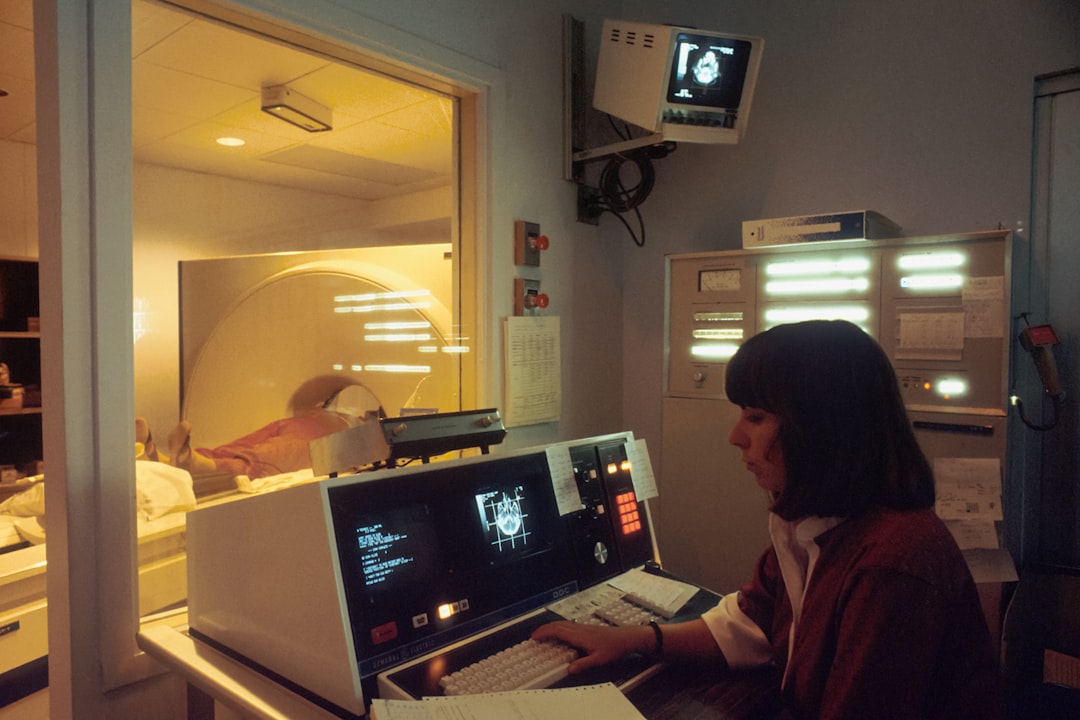
AI does not replace the radiologist. Instead, it acts like a second set of eyes. It highlights suspicious areas. It speeds up review time. And it helps catch things that humans might miss after a long day.
This is especially helpful in rural or underserved areas. There may not be enough specialists. AI tools can assist general doctors and improve care quality everywhere.
2. Robotic Surgery with AI Assistance
Robots in surgery? Yes. But not the scary movie kind.
Robotic surgical systems, like the da Vinci Surgical System, are already used in hospitals worldwide. Surgeons control these robots. The AI helps enhance precision.
Here’s how it works:
- The surgeon sits at a console.
- They control robotic arms with tiny instruments.
- The system translates hand movements into smaller, more precise actions.
AI improves these systems by:
- Reducing hand tremors
- Improving accuracy
- Analyzing previous surgery data for better decisions
This leads to smaller cuts. Less blood loss. Faster recovery. Patients often go home sooner.
For example, AI-assisted robotic surgery is common in prostate procedures and gynecological surgeries. It allows for delicate operations in tight spaces.
Again, the robot does not act alone. A trained surgeon is always in control. Think of AI as a super-advanced assistant holding the tools very steady.
3. Virtual Health Assistants and Chatbots
Have you ever used a chat feature on a healthcare website? Maybe to check symptoms? That is often AI at work.
AI-powered virtual health assistants can:
- Answer basic medical questions
- Schedule appointments
- Send medication reminders
- Help manage chronic diseases
Apps like Babylon Health and Ada Health use AI to ask users questions about symptoms. The system analyzes answers. Then it suggests possible conditions and next steps.
These tools are not a final diagnosis. But they are helpful first steps. They guide patients on whether to rest at home or see a doctor urgently.
Hospitals also use AI chatbots internally. They reduce pressure on call centers. Staff can focus on critical cases instead of answering routine questions.
For patients with chronic illnesses like diabetes or heart disease, AI assistants can track data from wearable devices. If something unusual happens, the system alerts the patient or doctor.
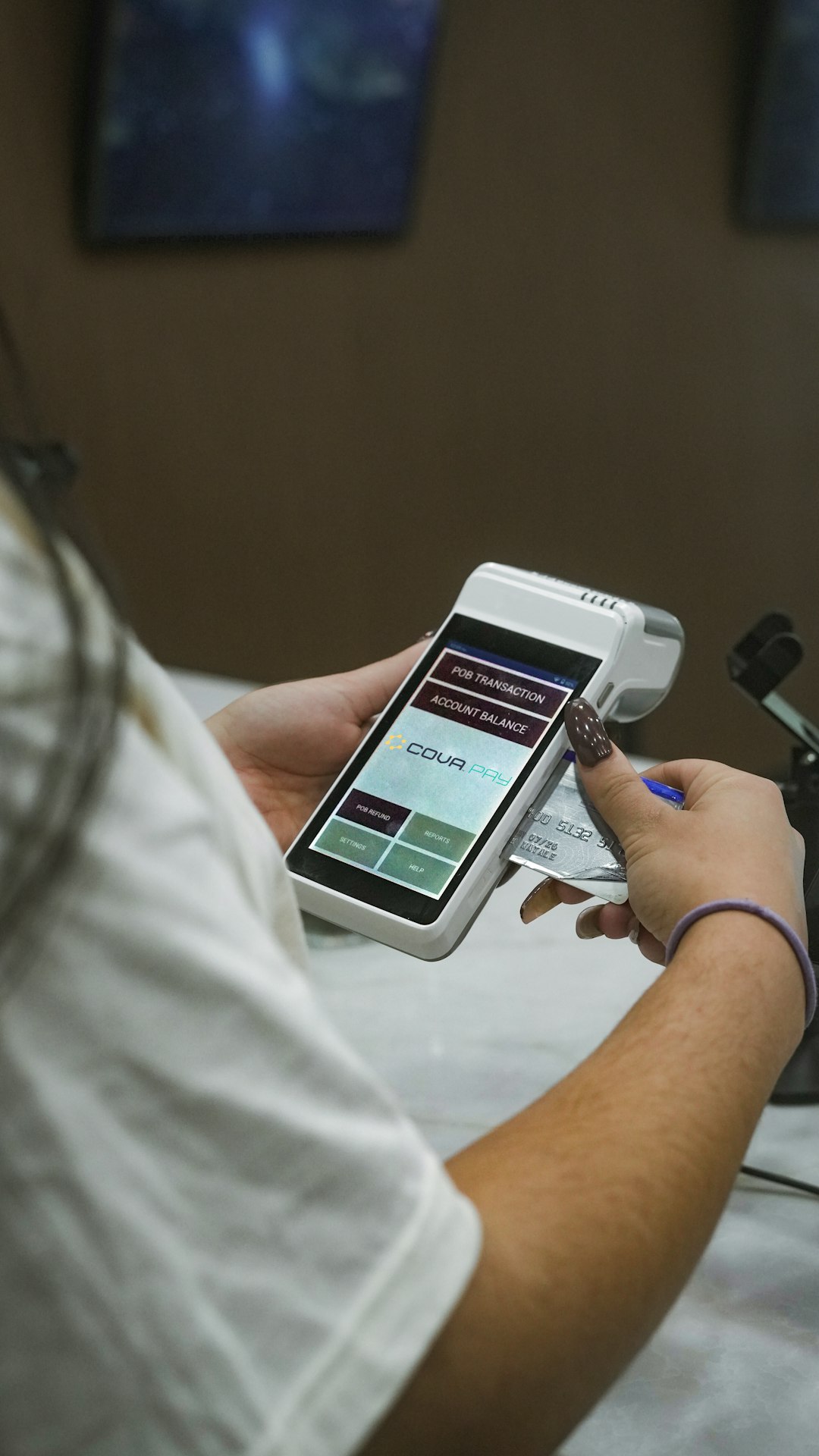
This means problems can be caught early. Before they become emergencies.
4. AI in Drug Discovery
Creating a new drug is slow. Very slow. It can take over 10 years. And cost billions of dollars.
AI is speeding this up.
AI systems can:
- Analyze huge chemical databases
- Predict how molecules will behave
- Identify promising drug candidates
- Reduce failed experiments
During the COVID-19 pandemic, AI helped researchers analyze the virus structure quickly. It identified potential treatment options in record time.
One company, Insilico Medicine, used AI to design a drug candidate in just weeks. That process would normally take months or years.
AI can also help repurpose existing drugs. That means finding new uses for medicines already approved. This is faster because safety testing is partly complete.
The benefit? Patients get treatments sooner. And costs may decrease in the long run.
This is not magic. Scientists still test everything carefully. But AI reduces the guesswork. It narrows down the best options before lab testing begins.
5. Predictive Analytics in Hospitals
Hospitals are busy places. Things change quickly. Patients can get worse fast. Predicting problems early can save lives.
This is where AI shines.
AI systems analyze electronic health records. They look at:
- Vital signs
- Lab results
- Medical history
- Medication data
Then they predict risks. For example:
- Risk of sepsis
- Likelihood of hospital readmission
- Chance of patient deterioration
Sepsis is a life-threatening infection. It spreads fast. Early detection is critical. Some hospitals use AI tools that alert doctors hours before symptoms become severe.
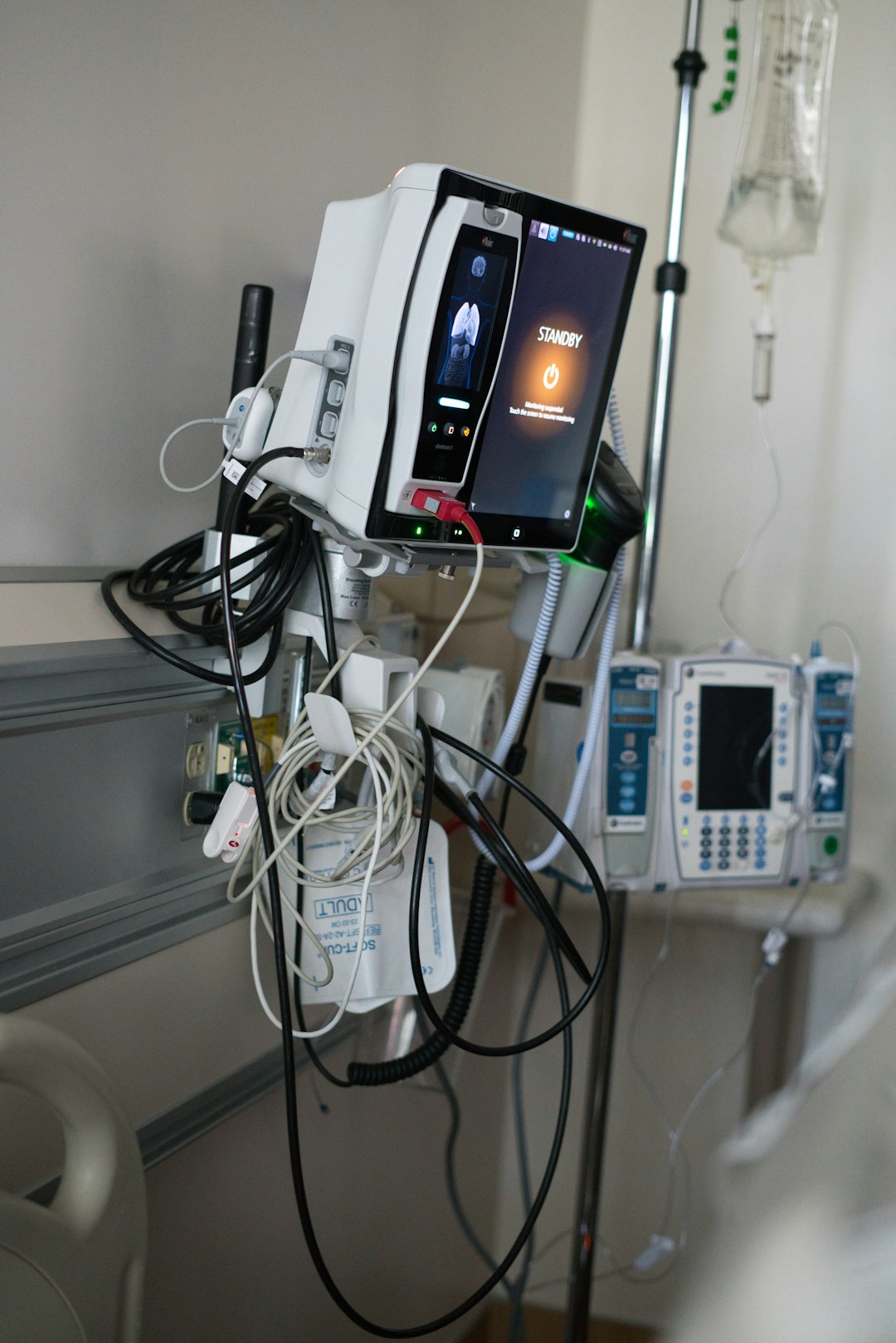
This early warning can make all the difference.
AI also helps with hospital management. It predicts patient admission rates. It optimizes staff schedules. It manages bed availability.
This means shorter wait times. Better resource use. And less burnout for healthcare workers.
It is like giving hospital leaders a smart forecasting tool.
6. Personalized Medicine and Treatment Plans
Not all patients are the same. Two people with the same disease may respond differently to treatment.
AI helps create personalized treatment plans.
By analyzing:
- Genetic information
- Lifestyle data
- Environmental factors
- Past treatment outcomes
AI can suggest the most effective therapy for a specific patient.
This is especially powerful in cancer care.
In oncology, AI tools analyze tumor genetics. They help doctors choose targeted therapies. These treatments attack cancer cells more precisely. Healthy cells are less harmed.
Some systems also predict how patients will react to certain chemotherapy drugs. This can reduce trial-and-error treatment.
The result?
- Better outcomes
- Fewer side effects
- More efficient care
This approach is often called precision medicine. And AI is one of its biggest drivers.
So, Will AI Replace Doctors?
Short answer: No.
AI is a tool. A powerful one. But it does not replace human judgment, empathy, or experience.
Doctors do more than analyze data. They comfort patients. They explain complex issues. They make ethical decisions.
AI handles massive data. It finds patterns quickly. It offers suggestions. But humans make the final call.
The best future is collaboration.
- AI handles the heavy data lifting.
- Doctors focus on patient care.
- Patients receive faster and better treatment.
Final Thoughts
AI in healthcare is not a distant dream. It is already here. It reads scans. Assists surgeries. Answers questions. Discovers drugs. Predicts risks. Personalizes treatments.
And this is just the beginning.
As technology improves, AI systems will become even more accurate and accessible. Rural clinics may gain powerful diagnostic support. Drug development may become faster than ever before. Preventive care could become smarter and more proactive.
The goal is simple.
Better care. Faster decisions. Healthier lives.
AI is not replacing healthcare professionals. It is empowering them. And that makes the future of medicine exciting for everyone.