Sewing is an art—one that often works in silence and hides behind fashion showcases. But look closer, and you’ll find smart stitching and clever seams make magic happen. From your comfy jeans to a sleek evening gown, there’s more than thread holding it all together.
TLDR: Great clothes rely on more than just nice fabric—they need smart stitching and solid seam techniques. These hidden skills are what make garments strong, comfortable, and stylish. Without them, even the fanciest design would fall apart. Let’s explore the magic behind the seams.
Contents
The Unsung Heroes of Fabric
We don’t often see stitch work or how a seam is made unless something rips. But behind every outfit lies a series of choices that make it durable and beautiful.
- Stitch types can change how flexible or strong your garment is.
- Seam finishes can stop fraying and give the inside a clean look.
- Smart placement makes outfits feel better on your body.
Let’s unravel a few tricks of the trade.
Thread That Thinks Ahead
Not all thread is the same. Some break easily. Others stretch and return like magic. Often, the right threads are chosen based on how the clothes will be worn.
Here are some thread types and where they shine:
- Polyester: Strong, stretchy, and good for everyday clothes.
- Cotton: Soft and breathable, perfect for natural-fiber garments.
- Nylon: Super strong—great for athletic wear and backpacks.
There are even threads that melt to seal edges or those that glow in the dark for fun projects!
Sneaky Stitches with Superpowers
Think all stitches are just lines of thread? Think again. Different stitches offer different effects. They stretch, hold, or even hide from view.
Let’s explore some smart stitches:
- Straight stitch: The go-to for most sewing. Simple, strong.
- Zigzag stitch: Adds flexibility. Great for stretchy fabrics.
- Overlock stitch: Trims and finishes at once. Hello, neat seams!
- Invisible stitch: Used in hems and hand-sewing. You don’t even know it’s there!
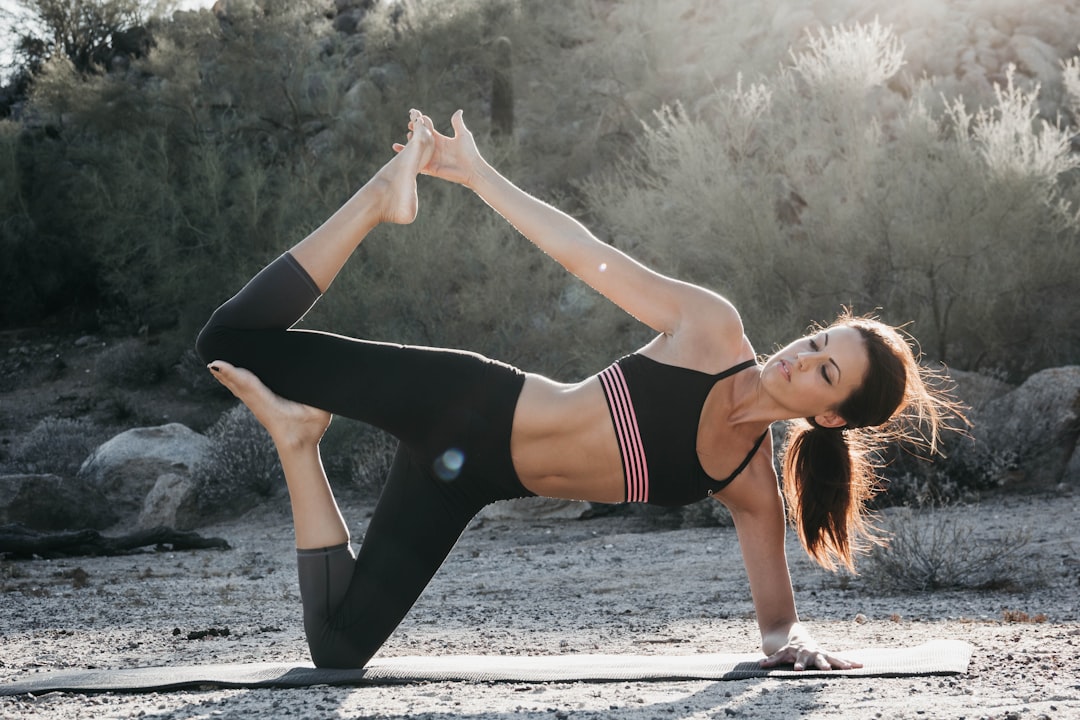
Smart stitching is also about thinking ahead. Will the garment stretch? Will it rub or pull in weird ways when someone moves? A good stitcher answers those questions with how they sew.
Seam Science for Smooth Looks
Seams are where two pieces of fabric come together. That line you see along the inside of your shirt? Seam. But a good seam is more than a line—it’s a strategy.
Here are a few masterminded seam moves:
- French seam: Neatly encloses the raw edge. Perfect for sheer fabric.
- Flat-felled seam: Seen in jeans. Super durable and lies flat.
- Bias-bound seam: Uses bias tape to cover edges. Adds color and strength.
Picking the right seam means thinking about fabric type, shape of the garment, and how much stress a spot might take.
Why Stretch Matters
Activewear? Gym leggings? Swimsuits? These stretch a lot, and so should their stitches. A straight stitch would break. This is where stitching techniques step in.
Stretch stitches are special because even when you tug, they move with you. They make clothes more comfy and long-lasting.
Some smart stitch ideas for stretch fabrics:
- Use zigzag or triple stretch stitches on stretchy material.
- Add elastic thread in strategic spots for snug fits.
- Double-needle or coverstitch machines create pro-level finishes.
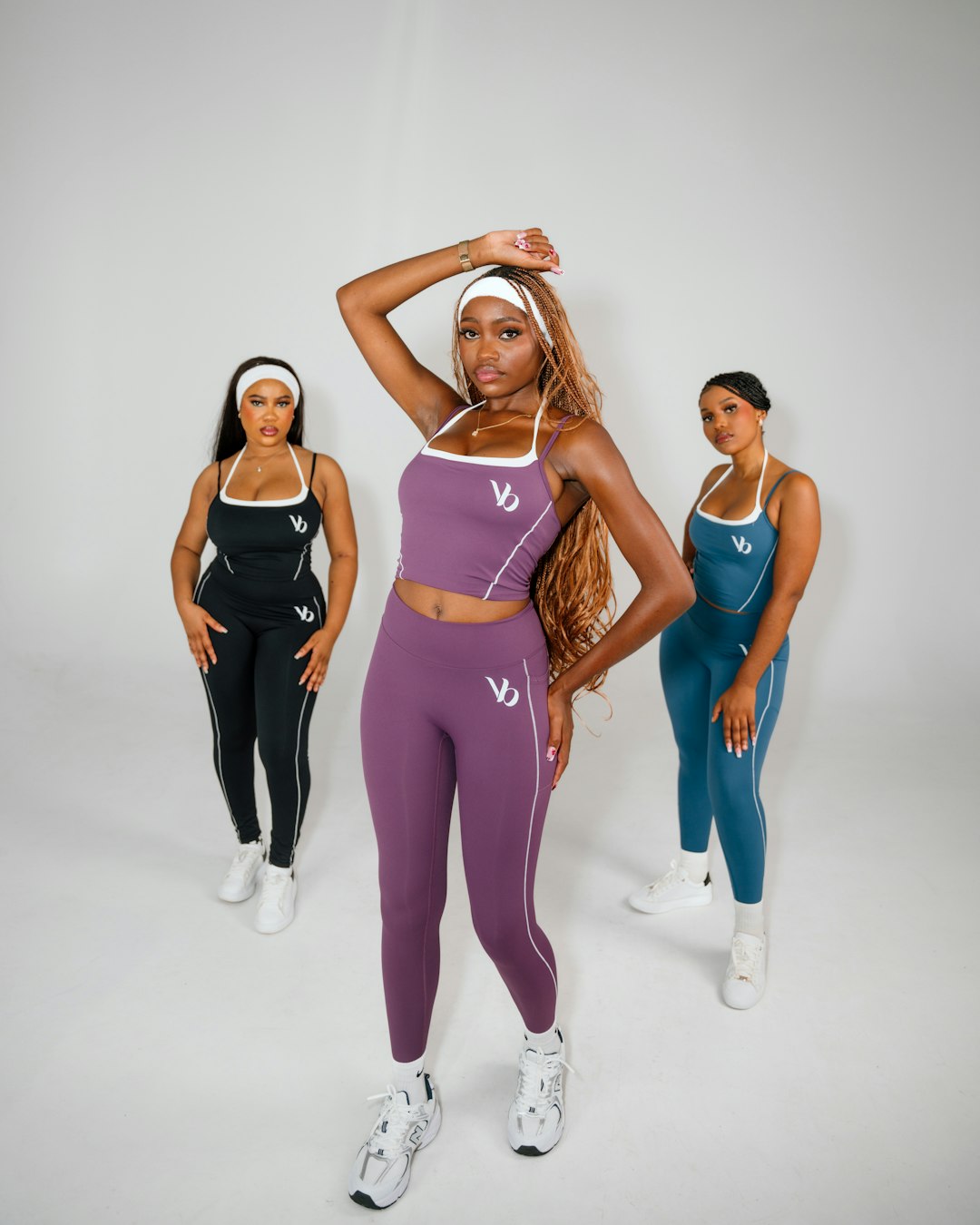
This is the secret sauce in yoga pants that don’t split in class.
Smart Seams = Smart Fit
Your favorite shirt fits so well for a reason. It’s not just about sizing—it’s about smart seams. Clever seam placement helps shape clothes to your body.
Here’s how:
- Princess seams: Curve over the bust for a smooth fit, often in dresses and blouses.
- Darts: Not quite seams, but sewn folds that add shaping.
- Side seams: Properly placed, they slim or flatter naturally.
Sewing becomes sculpting. Seams aren’t just technical—they’re artistic.
Edge Finishing That’s Sleek, Not Shabby
We don’t notice fraying in good clothes. That’s because edge techniques like serging or binding are secretly at work.
These make your clothes last longer—and look cleaner too.
Common finishing techniques include:
- Serged edge: A fast way to seal and trim fabric at once.
- Pinking shears: Cuts in a zigzag to reduce fray.
- Turned hem: Folds fabric under and stitches it down.
Even inside seams deserve spa treatment. A clean finish is a sign of pro-level skill.
Gadgets That Make Seam Magic
Modern sewing machines come with tricks up their sleeves. Some even have smart sensors or auto thread tension. But even basic tools can do amazing things.
Essential gear that helps:
- Walking foot: Great for tricky or slippery fabrics.
- Seam ripper: Not glamorous, but saves the day after mistakes.
- Edge guides: Help keep lines straight and neat.
With these tools and a bit of practice, anyone can sew like a pro!
How Beginners Can Start Smart
If you’re new to sewing, don’t worry about being perfect at first. Focus on learning the basics of seams and stitches. Good technique beats speed any day.
Here’s how to ease into smart stitching:
- Practice straight and zigzag stitches on scrap fabric.
- Learn to press seams flat—it’s a small step with big impact.
- Experiment with different seams like French or flat-felled.
Over time, you’ll feel when a seam “feels right”. Trust that instinct.
Final Thoughts: The Art of the Invisible
The next time you slide into your favorite pair of jeans or hug someone wearing a fancy coat, take a moment. Think of the quiet craft—the tiny stitches and tucked-in seams that make everything hold together.
They rarely get attention. But without them, fashion would fall apart—literally!
Whether you’re sewing by hand or mastering a machine, remember: every great garment starts with a smart seam.
Happy stitching!