With the rapid pace of technological advancement, it’s common to find older televisions becoming obsolete. Instead of letting them gather dust in a garage or contributing to landfill waste, consumers are seeking responsible and convenient ways to dispose of their outdated electronics. One popular option that often comes to mind is Best Buy, a well-known electronics retailer with a commitment to e-waste recycling.
Contents
TL;DR (Too Long; Didn’t Read)
Best Buy offers a convenient and environmentally-friendly way to recycle old TVs through their electronics recycling program. While some recycling services are free, others—like TV disposal—may come with a small fee. Best Buy accepts most flat-panel TVs up to 50 inches and tube TVs, though there are limits based on location and item type. It’s always best to check with your local store or visit the Best Buy website before heading over.
Why Proper TV Disposal Matters
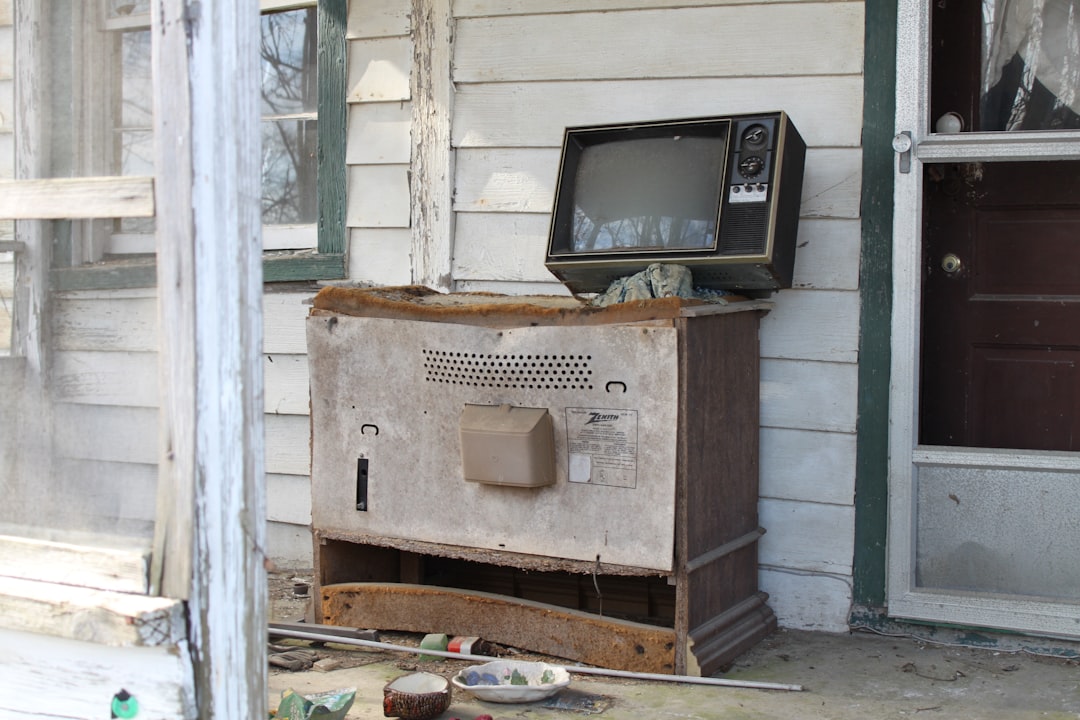
Televisions, especially older CRT (cathode ray tube) models, contain hazardous materials like lead and mercury that can contaminate the environment if not handled properly. Dumping old TVs irresponsibly not only harms the earth but may also violate local e-waste disposal laws. By choosing a reputable program like the one offered at Best Buy, consumers help reduce electronic waste and promote sustainable living.
Best Buy’s Electronics Recycling Program
Best Buy has one of the most extensive electronics recycling programs in the United States. They have taken significant steps to ensure that outdated electronics are recycled in an environmentally responsible manner. This includes televisions of various sizes and types, depending on local recycling capabilities.
They categorize their recycling services into two primary types:
- In-Store Recycling: Bring your TV to the store for drop-off, subject to store limitations.
- Haul-Away Services: Offered when purchasing a new TV or for a standalone fee, Best Buy will pick up your old set for recycling.
Accepted TV Types
As of the latest update, Best Buy accepts the following kinds of televisions:
- Flat-panel TVs (LCD, LED, Plasma) up to 50 inches
- CRT televisions
- TV and monitor combinations
It’s important to note that they do not accept TV sets larger than 50 inches for in-store drop-offs in most locations due to space and handling limitations.
Is There a Fee?
Yes, there may be a recycling fee depending on the item and your location. For most television types, Best Buy charges a fee (often around $29.99 per TV), particularly for CRT and larger sets. However, the fee helps cover logistics and ensures the TV is responsibly recycled through certified partners.
Haul-away services, if not included with a TV delivery, typically cost around $39.99 per item.
Cost Summary:
- In-Store Drop Off: ~$29.99 for most TVs
- Haul-Away Without Purchase: ~$39.99/item
- Free Recycling: Some electronics like phones, small batteries, and ink cartridges may still qualify for free recycling
How to Prepare Your TV for Drop-Off or Pickup
Before taking your TV to Best Buy, a few steps can help ensure a hassle-free experience:
- Call Ahead: Contact your local Best Buy to confirm acceptance of your TV model and size.
- Backup and Reset: If it’s a smart TV, sign out of accounts and perform a factory reset to protect your data.
- Unplug and Clean: Remove all cables, cords, and accessories for easier handling.
- Secure Transport: For in-store drop-offs, use blankets or packaging to protect the TV during transit.

Best Buy’s Commitment to Sustainability
Best Buy ranks among the top companies for sustainable business practices. Their recycling program, launched in 2009, has responsibly handled billions of pounds of electronics. They only partner with certified recycling companies and ensure that all electronics are either repurposed, responsibly dismantled, or safely destroyed.
Additionally, Best Buy often runs promotions or limited-time incentives for customers who recycle old electronics, offering discounts or gift cards in return. These programs vary by location and time of year but demonstrate their commitment to both customers and the planet.
States with Special Regulations
Some U.S. states have restrictions or mandates around e-waste disposal, which may influence what Best Buy accepts at certain locations. For example, the following states generally do not allow TVs to be dropped off at Best Buy due to local laws:
- Connecticut
- California
- Pennsylvania
In these cases, Best Buy might still provide haul-away services when delivering a new TV. Otherwise, residents may need to consult with local recycling authorities or look for alternative certified recyclers.
Alternatives to Recycling at Best Buy
In case Best Buy is not accepting TVs in your location or you’d rather explore other avenues, consider:
- Municipal Recycling Centers: Many city or county waste facilities accept electronic waste.
- Manufacturer Take-Back Programs: Brands like Samsung and LG offer mail-in or drop-off recycling.
- Donation: If the TV still works, organizations like Goodwill or local shelters might put it to use.
- eBay or Facebook Marketplace: Even older TVs might find new life with someone looking for parts or vintage appeal.
FAQs
- Q: Does Best Buy recycle TVs for free?
A: No, most TV recycling incurs a fee, typically $29.99. However, they offer free recycling for many other electronics like phones and batteries. - Q: Can Best Buy pick up my old TV from home?
A: Yes, they offer a haul-away service during new TV deliveries or as a standalone service for a fee. - Q: What TV sizes does Best Buy accept for recycling?
A: They accept TVs up to 50 inches for in-store drop-off. Larger sets require haul-away service. - Q: Do I need to package my TV?
A: While it’s not required, it’s recommended to use blankets or boxes to prevent damage during transportation. - Q: Can I recycle a TV in all states through Best Buy?
A: No, certain states like California, Connecticut, and Pennsylvania restrict in-store TV recycling at Best Buy. Always check local laws.
Disposing of an old TV doesn’t have to be a burden. Best Buy offers a trusted path to recycling that contributes to a healthier environment and aligns with legally sound disposal practices. By utilizing their services or considering viable alternatives, consumers ensure that their electronics are handled responsibly from start to finish.