
Running a small business often feels like juggling a dozen priorities at once—client work, team communication, deadlines, invoicing, and long-term planning. Without a reliable system to organize tasks, even the most talented teams can struggle with missed deadlines and unclear responsibilities. That’s where task management software becomes a game changer. The right platform doesn’t just track to-dos—it creates clarity, accountability, and momentum across your entire organization.
TLDR: The best task management software for small businesses combines ease of use, powerful collaboration tools, and affordable pricing. ClickUp is the most versatile all-in-one option, while Asana excels at structured workflows. Trello is perfect for teams who love visual boards, Monday.com stands out for customization, and Todoist is ideal for simplicity and personal productivity. Your best choice depends on your team size, budget, and workflow complexity.
Below, we explore the top five task management tools that help small businesses stay organized, focused, and productive.
Contents
1. ClickUp – Best All-in-One Solution
ClickUp has rapidly become a favorite for small businesses because it combines task management, document sharing, goal tracking, time tracking, and automation in one place. Instead of juggling multiple tools, teams can centralize their work.

Why small businesses love ClickUp:
- Customizable views: List, Board, Calendar, Gantt, and more
- Built-in time tracking for client billing or productivity monitoring
- Automation tools to eliminate repetitive tasks
- Generous free plan for small teams
ClickUp is especially useful for growing businesses that need flexibility. You can start simple and gradually introduce advanced features like custom dashboards and workflow automations as your needs evolve.
Best for: Small businesses that want a scalable, all-in-one productivity solution.
2. Asana – Best for Structured Project Management
Asana is known for its clean interface and structured approach to project management. It excels when teams need clear task dependencies and timeline visibility.
Key features include:
- Task dependencies and milestone tracking
- Timeline and calendar views
- Workflow automation rules
- Integration with popular tools like Slack and Google Workspace
Asana shines when managing marketing campaigns, product launches, or multi-step client projects. Its layout encourages clarity by making responsibilities and deadlines highly visible.
While it may feel slightly overwhelming for very small teams at first, its intuitive design makes onboarding fairly easy.
Best for: Teams that handle complex projects with multiple stages and contributors.
3. Trello – Best Visual Task Manager
If your team prefers simplicity and visual organization, Trello might be the perfect fit. Based on the Kanban board system, Trello helps teams move tasks across columns such as “To Do,” “In Progress,” and “Done.”

Trello’s advantages:
- Extremely easy to use
- Visual drag-and-drop interface
- Power-Ups (integrations and added features)
- Great free plan
Trello works beautifully for content planning, sales pipelines, and creative workflows. However, it may lack advanced features for complex, multi-layered projects unless you upgrade to paid plans with additional Power-Ups.
Best for: Small teams that want a simple, visual way to manage tasks.
4. Monday.com – Best for Customization
Monday.com is a highly customizable work management platform that adapts to different industries and workflows. It combines visual boards with powerful automation and reporting features.
Notable features:
- Custom workflows and dashboards
- Automation recipes
- Time tracking
- Color-coded status tracking
One of Monday.com’s strongest advantages is flexibility. Whether you’re managing HR processes, CRM pipelines, or operations, you can tailor the system to fit your needs.
While pricing may be slightly higher than some competitors, the return on investment often justifies the cost for teams that need advanced reporting and customization.
Best for: Businesses that need tailored workflows across departments.
5. Todoist – Best for Simplicity and Personal Productivity
Not all small businesses need heavy project management tools. For solopreneurs and very small teams, Todoist offers a clean and powerful task manager without unnecessary complexity.
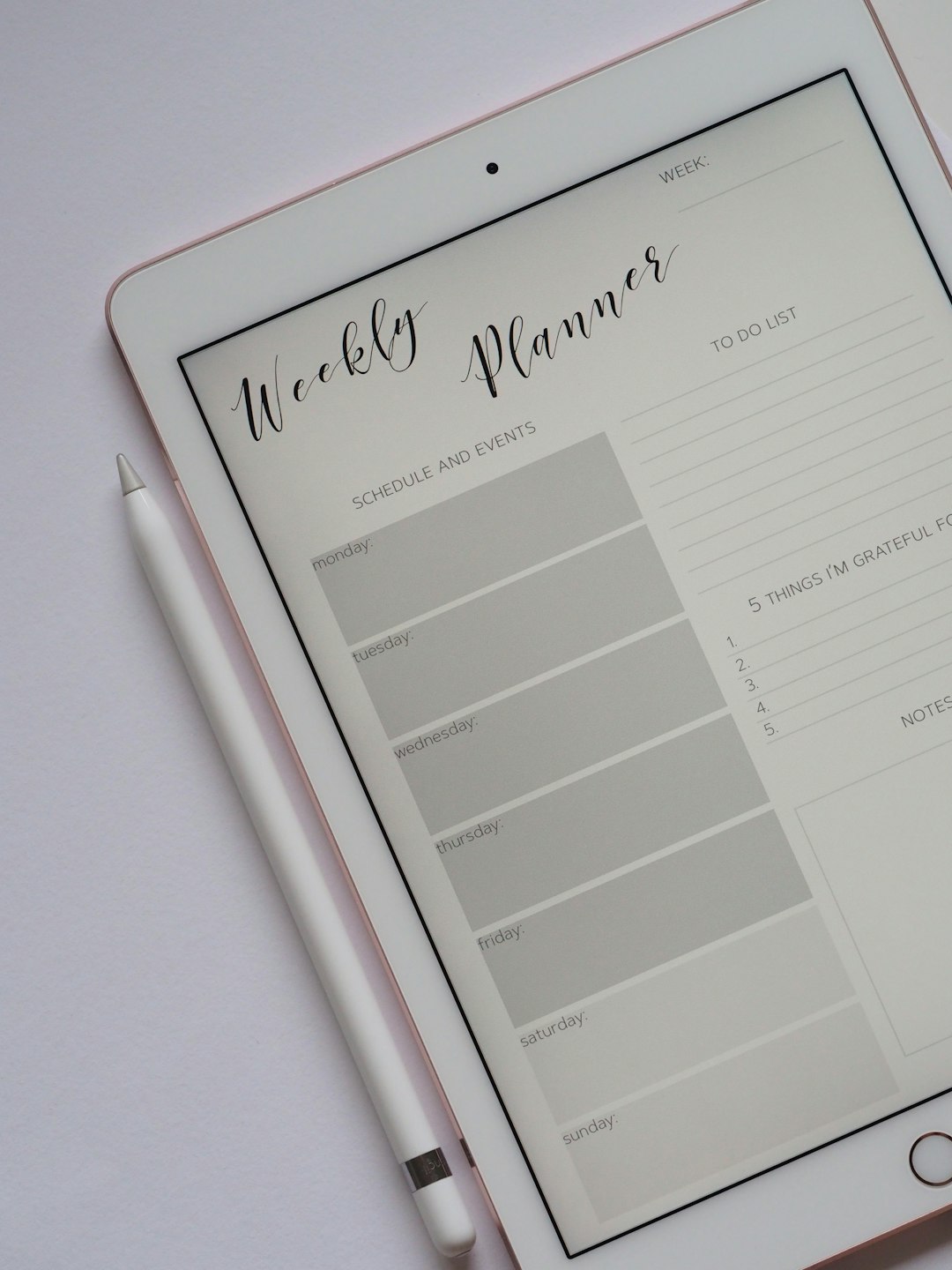
Why Todoist stands out:
- Minimalist design
- Natural language task entry (e.g., “Meeting tomorrow at 3pm”)
- Recurring due dates
- Cross-platform syncing
Todoist is particularly valuable for founders balancing multiple roles. It keeps priorities organized without overwhelming users with advanced project management features.
Best for: Solopreneurs and micro-teams that value simplicity.
Comparison Chart
| Software | Best For | Ease of Use | Key Strength | Free Plan |
|---|---|---|---|---|
| ClickUp | All-in-one management | ★★★★☆ | Versatility and features | Yes |
| Asana | Structured projects | ★★★★☆ | Task dependencies | Yes |
| Trello | Visual workflows | ★★★★★ | Kanban boards | Yes |
| Monday.com | Custom workflows | ★★★★☆ | Customization | Limited |
| Todoist | Personal productivity | ★★★★★ | Simplicity | Yes |
How to Choose the Right Task Management Software
With so many options available, selecting the right platform comes down to understanding your business needs. Consider the following factors:
- Team Size: Larger teams may need advanced collaboration and permission settings.
- Project Complexity: Multi-stage projects require dependency tracking and timelines.
- Budget: Free plans can work well for startups and solopreneurs.
- Ease of Adoption: A complicated system that no one uses is worse than none at all.
- Integration Needs: Ensure compatibility with your CRM, accounting tools, and communication apps.
It’s often helpful to test two or three platforms using their free trials before committing long term.
Final Thoughts
Effective task management isn’t just about checking boxes—it’s about creating transparency, reducing stress, and empowering your team to focus on high-impact work. The right software can transform chaos into clarity and reactive work into proactive planning.
ClickUp is ideal if you want a powerful all-in-one platform. Asana works beautifully for structured projects. Trello thrives on visual simplicity. Monday.com delivers unmatched customization. And if you value minimalism, Todoist keeps things beautifully simple.
Ultimately, the best task management tool for your small business is the one your team consistently uses. Choose a platform that aligns with your workflow, supports your goals, and helps turn daily tasks into measurable progress.