
Soutaipasu is more than food. It is comfort in a bowl. It is history passed from hand to hand. And today, it is also a playground for creative cooks who love to experiment.
TL;DR: Soutaipasu is a traditional dish rich in flavor and culture. It started as a simple, hearty recipe made with local ingredients. Over time, modern cooks have added new flavors and techniques. This article explores classic recipes, fun twists, and easy ways to make Soutaipasu at home.
Let’s take a tasty journey. We’ll explore where Soutaipasu comes from. We’ll see how it is traditionally made. Then we’ll mix things up with modern ideas. Get ready. It will be delicious.
Contents
What Is Soutaipasu?
Soutaipasu is a traditional dish known for its rich flavors and comforting texture. At its heart, it is simple. It usually combines:
- Slow-cooked base (often grains or root vegetables)
- Fresh seasonal vegetables
- Herbs and mild spices
- A protein source such as legumes, fish, or meat
The magic is not in fancy ingredients. The magic is in patience. Soutaipasu is cooked slowly. Flavors blend gently. Nothing rushes.
Families often prepare it for gatherings. It appears at festivals. It shows up on cold nights. One spoonful feels like home.
The Traditional Way
Traditional Soutaipasu follows a clear method. No shortcuts. No complicated steps. Just honest cooking.
Here is the classic approach:
- Start with a heavy pot.
- Sauté aromatics like onion and garlic.
- Add the base ingredient, such as barley or diced root vegetables.
- Pour in broth or water.
- Let it simmer slowly.
- Add vegetables and protein.
- Season gently with herbs.
That’s it. Simple. Calm. Delicious.

Key Traditional Ingredients
- Barley or millet for texture
- Carrots and turnips for sweetness
- Beans or lentils for heartiness
- Fresh parsley or thyme for brightness
- Bone broth or vegetable stock for depth
The flavors are earthy. Nothing is overpowering. Each bite feels balanced.
Why People Love It
Soutaipasu is popular for many reasons:
- It is affordable.
- It feeds many people.
- It uses seasonal produce.
- It tastes even better the next day.
It is also flexible. If you don’t have one vegetable, you can swap it. If you prefer more spice, you can add it. Soutaipasu does not judge.
Modern Twists on Soutaipasu
Now comes the fun part. Modern cooks love tradition. But they also love to play. Soutaipasu has become a canvas for creativity.
1. Vegan Fusion Soutaipasu
This version goes fully plant-based. It skips animal broth. It adds bold flavors.
Common additions include:
- Coconut milk for creaminess
- Ginger and lemongrass for zing
- Chickpeas for extra protein
- Spinach for color
The result? A brighter, slightly exotic bowl. Still comforting. Just with a modern edge.
2. Spicy Street-Style Soutaipasu
Street food vendors have their own take. They turn up the heat.
- Chili flakes
- Smoked paprika
- Roasted peppers
- A squeeze of fresh lime
This version wakes up your taste buds. It is bold. It is loud. It is exciting.
3. Creamy Gourmet Soutaipasu
Restaurants sometimes transform Soutaipasu into a fine dining dish.
They might:
- Blend part of it for a silky texture
- Add a splash of cream
- Top it with crispy shallots
- Garnish with microgreens
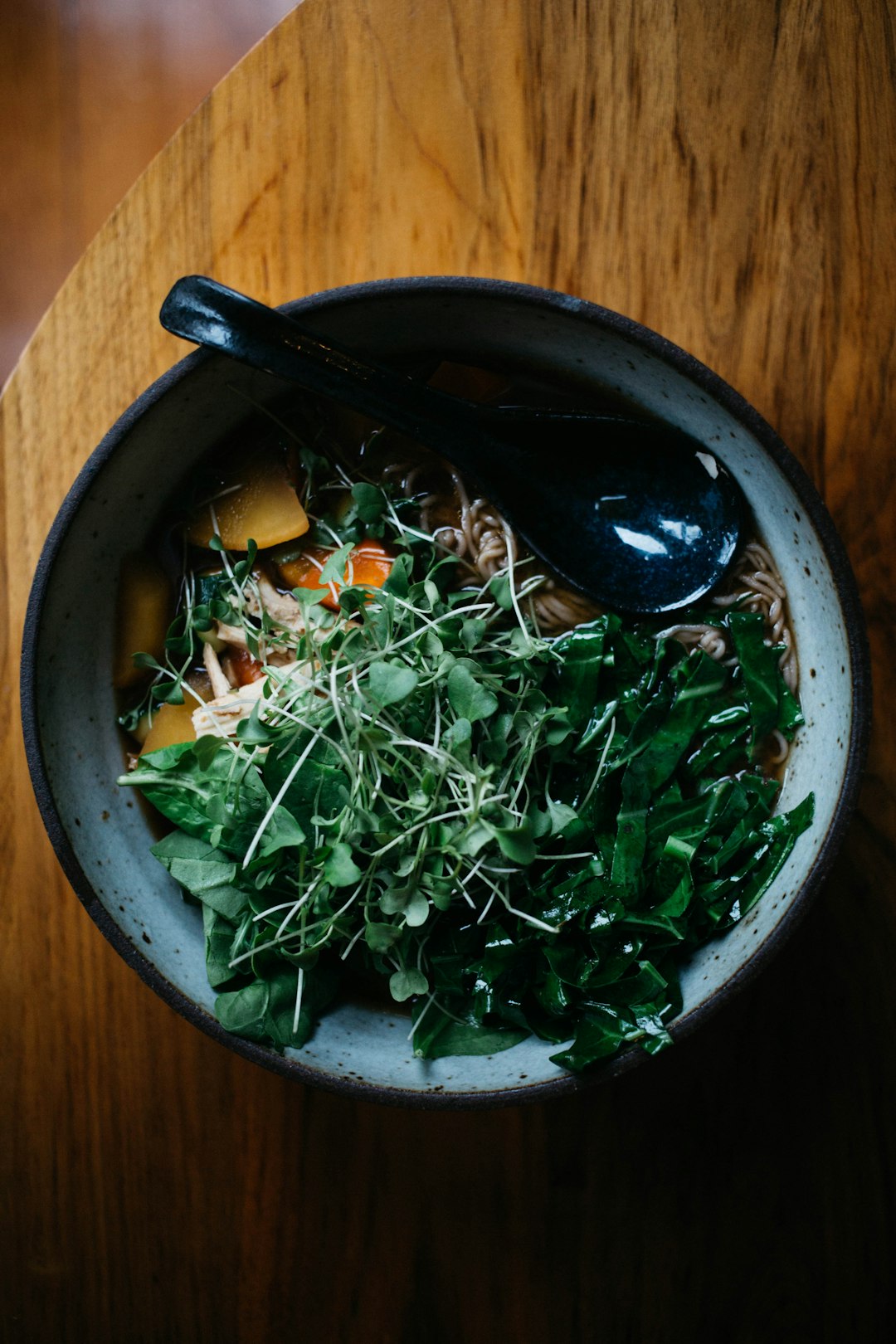
It looks fancy. It tastes rich. But at its core, it is still the same humble meal.
Traditional vs. Modern: A Quick Comparison
| Feature | Traditional Soutaipasu | Modern Soutaipasu |
|---|---|---|
| Flavor | Mild and earthy | Bold and creative |
| Cooking Style | Slow simmer | Slow or pressure cooked |
| Ingredients | Local and seasonal | Global and experimental |
| Presentation | Simple bowl | Plated with garnish |
| Texture | Chunky and hearty | Chunky or blended |
Both versions are wonderful. It just depends on your mood.
How to Make Soutaipasu at Home
You don’t need professional skills. You just need a pot and a little time.
Easy Home Recipe
Ingredients:
- 1 cup barley
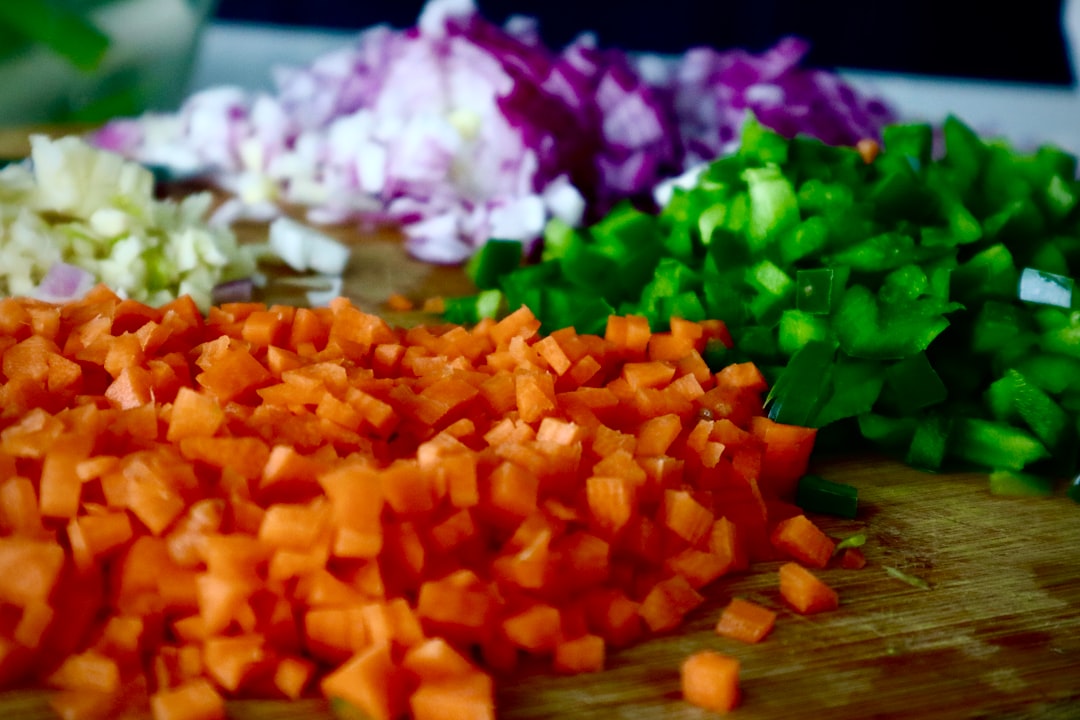
- 2 carrots, chopped
- 1 onion, diced
- 2 cloves garlic
- 1 cup beans or lentils
- 4 cups vegetable broth
- 1 teaspoon thyme
- Salt and pepper to taste
Steps:
- Sauté onion and garlic in a large pot.
- Add carrots and cook for 3 minutes.
- Stir in barley and beans.
- Pour in broth.
- Add thyme.
- Simmer for 35–45 minutes.
- Season and serve warm.
That’s your base. From here, you can play.
Fun Add-Ons to Try
- Cheese topping: Sharp cheddar or parmesan.
- Crunch factor: Toasted seeds or nuts.
- Fresh finish: A spoon of yogurt and herbs.
- Extra protein: Shredded chicken or tofu cubes.
Small changes make big differences.
Common Mistakes to Avoid
Even simple dishes can go wrong. Here are a few tips:
- Do not rush the simmer. Flavor needs time.
- Do not oversalt early. Liquid reduces as it cooks.
- Do not overload spices. Start small.
- Do not forget texture. Balance soft and firm ingredients.
Cooking is about tasting as you go. Trust your spoon.
Soutaipasu for Every Season
This dish adapts beautifully throughout the year.
Spring
- Add peas and asparagus.
- Use light herbs like dill.
Summer
- Use zucchini and fresh tomatoes.
- Keep flavors light.
Autumn
- Add pumpkin or squash.
- Include warm spices.
Winter
- Focus on root vegetables.
- Make it thick and hearty.
One recipe. Four seasons. Endless variations.
The Cultural Heart of Soutaipasu
Soutaipasu is not just trendy. It carries memory. Grandparents teach it to grandchildren. Friends cook it together. It brings people to the table.
In many homes, the recipe is not written down. It lives in memory. A handful of this. A pinch of that. Taste. Adjust. Smile.
Modern chefs respect this heritage. Even when they add new ideas, they keep the soul of the dish alive.
Why It Still Matters Today
In a world of fast food, Soutaipasu asks us to slow down.
- Chop carefully.
- Stir gently.
- Wait patiently.
It rewards time and care. It reminds us that simple food can be extraordinary.
And the best part? There is no single “correct” way to make it. Traditional or modern. Mild or spicy. Rustic or elegant.
Soutaipasu grows with the cook.
Final Spoonful
Soutaipasu began as a humble, nourishing meal. It used local grains. Seasonal vegetables. Simple herbs. Over time, creative cooks added bold spices, creamy textures, and stylish presentation.
Yet its heart remains the same. Warm. Filling. Shared.
So grab a pot. Choose your ingredients. Follow tradition. Or invent something new. Either way, you are part of the story of Soutaipasu.
And that story tastes amazing.