
In an increasingly competitive digital landscape, organizations require platforms that are not only powerful but also adaptable, secure, and strategically aligned with long-term growth. Meaimee 3 represents a new generation of intelligent systems designed to streamline operations, enhance decision-making, and unlock measurable value across departments. This guide provides a comprehensive analysis of its features, capabilities, and the strategic advantages it offers to modern enterprises.
TLDR: Meaimee 3 is an advanced, scalable platform built to optimize workflows, centralize data intelligence, and drive strategic outcomes. It combines automation, analytics, and integration capabilities in a unified ecosystem. With enterprise-grade security and flexible deployment options, it suits organizations of varying sizes. Its real value lies in transforming operational efficiency into long-term competitive advantage.
Contents
Understanding Meaimee 3: A Strategic Overview
Meaimee 3 is engineered to support complex business environments where efficiency, transparency, and data-driven decisions are paramount. Unlike earlier iterations or fragmented point solutions, this version emphasizes integration, intelligence, and scalability.
At its core, Meaimee 3 is built around three foundational pillars:
- Operational Automation – Reducing manual processes and eliminating workflow redundancies.
- Data Intelligence – Converting raw information into actionable insights.
- Strategic Agility – Enabling organizations to pivot quickly with real-time visibility.
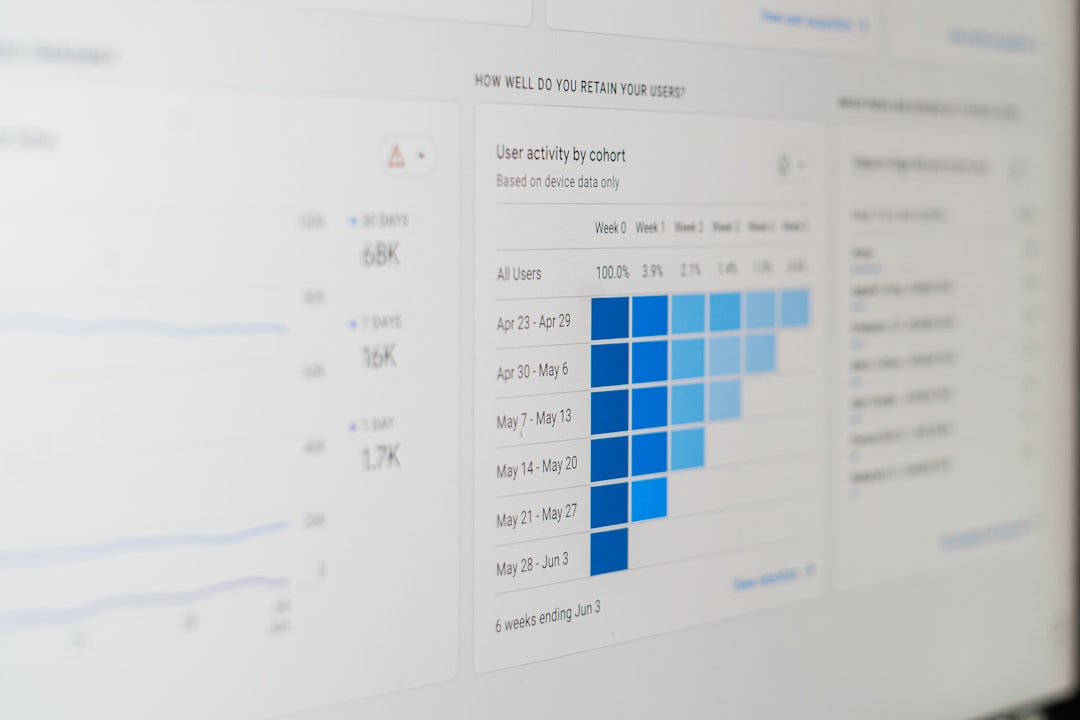
The platform’s unified architecture removes silos that typically hinder collaboration. By centralizing workflows and analytics into a single environment, teams gain enhanced coordination and measurable productivity improvements.
Core Features of Meaimee 3
1. Unified Dashboard and Control Center
The centralized dashboard serves as the platform’s command hub. Designed for clarity and precision, it provides:
- Real-time performance metrics
- Customizable workflow overlays
- Department-specific data views
- Role-based access controls
The visual interface balances functionality with usability, allowing technical and non-technical users alike to interpret complex data rapidly.
2. Intelligent Automation Engine
Automation within Meaimee 3 goes beyond simple task scheduling. It incorporates rule-based logic and adaptive learning mechanisms that identify patterns in user behavior and system inputs.
Key automation capabilities include:
- Smart task routing
- Cross-platform workflow synchronization
- Error detection and correction prompts
- Trigger-based reporting
This reduces processing time while minimizing operational risk.
3. Advanced Analytics and Predictive Modeling
A defining capability of Meaimee 3 is its embedded analytics layer. Rather than relying solely on historical reporting, the system provides:
- Predictive forecasts based on trend modeling
- Anomaly detection for compliance and risk management
- Scenario simulations to evaluate strategic decisions
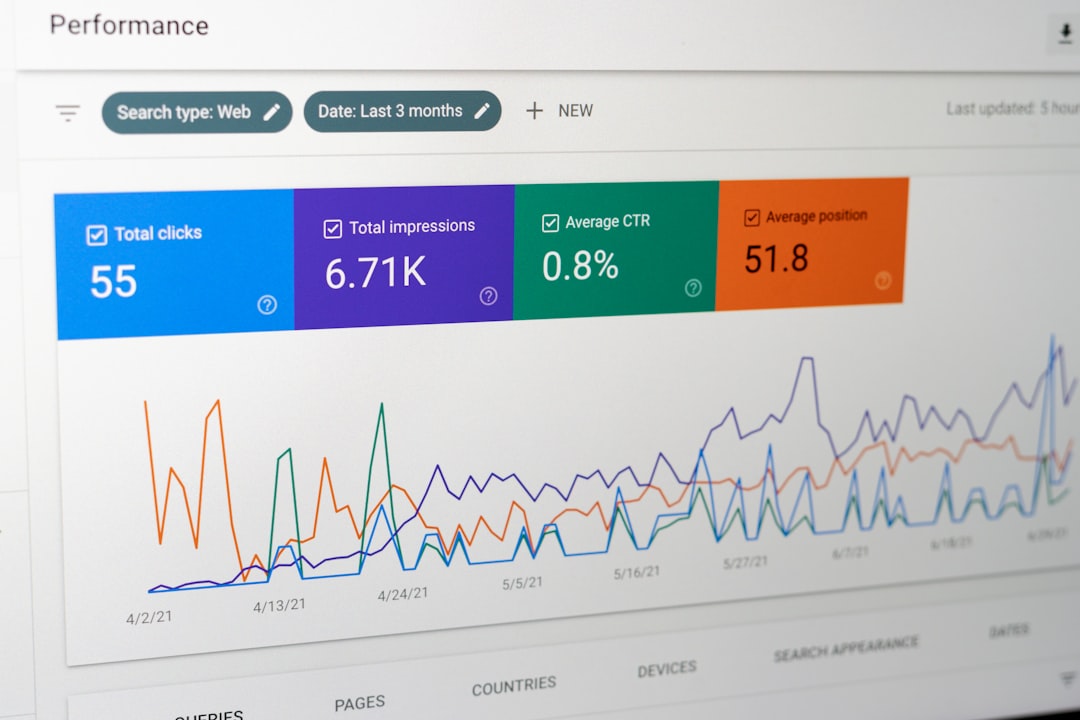
This allows leadership teams to anticipate challenges and seize opportunities before they fully materialize.
4. Seamless Integration Framework
Modern enterprises operate across a broad ecosystem of software solutions. Meaimee 3 supports extensive integration through:
- Open API connectivity
- Prebuilt connectors for common enterprise systems
- Secure data transfer protocols
- Modular plug-in architecture
The result is a cohesive technology environment rather than isolated technology stacks.
5. Enterprise-Grade Security
Security in Meaimee 3 is embedded at every layer. Its architecture incorporates:
- End-to-end data encryption
- Multi-factor authentication
- Granular permission structures
- Comprehensive audit trails
For industries operating under regulatory oversight, this built-in compliance support is critical.
Technical Capabilities and Architecture
Meaimee 3 is built on a scalable cloud-native infrastructure, capable of handling both mid-market and enterprise-level demands. Its modular framework allows organizations to deploy only the components they require, expanding functionality as needs evolve.

Deployment Options:
- Public cloud
- Private cloud
- Hybrid architecture
- On-premises configurations
The platform’s scalability ensures that performance remains stable even as user volumes, data sets, and integration layers expand.
Comparative Positioning in the Market
When evaluating systems similar to Meaimee 3, organizations typically compare three categories of solutions:
- Traditional workflow management systems
- Standalone analytics platforms
- Integrated enterprise management suites
The comparison below highlights key distinctions:
| Feature Category | Meaimee 3 | Traditional Workflow Tools | Standalone Analytics Platforms | Integrated Enterprise Suites |
|---|---|---|---|---|
| Automation Intelligence | Advanced adaptive automation | Rule based only | Minimal | Moderate |
| Real Time Analytics | Embedded predictive modeling | Limited reporting | Strong analytics focus | Moderate to strong |
| Integration Flexibility | Open API architecture | Restricted connectors | API dependent | Proprietary ecosystems |
| Scalability | Cloud native scalability | Often limited | High | High but complex |
| User Accessibility | Role based customizable dashboards | Basic interface | Data centric interface | Complex enterprise UI |
What distinguishes Meaimee 3 is its ability to combine automation, analytics, and flexibility without excessive implementation complexity.
Strategic Value for Organizations
1. Operational Efficiency
By eliminating redundant tasks and centralizing processes, Meaimee 3 significantly reduces operational overhead. Teams spend less time on manual coordination and more time on high-value activities.
2. Improved Decision-Making
Access to real-time forecasting and intelligent reporting enhances executive visibility. Leaders are empowered to:
- Allocate resources with precision
- Identify underperforming segments
- Mitigate risks before escalation
3. Cross-Departmental Alignment
Silos between departments often undermine organizational effectiveness. By standardizing workflows and synchronizing data, Meaimee 3 promotes transparency and collaborative alignment.
4. Scalable Growth Enablement
Rapid growth frequently strains legacy systems. Meaimee 3 is structured to grow alongside the organization, accommodating increased transaction volumes, users, and regional operations.
Implementation Considerations
Successful adoption of Meaimee 3 requires more than technical deployment. It demands strategic alignment and effective change management.
Best Practices Include:
- Conducting a process audit before deployment
- Defining measurable success indicators
- Training users across all departments
- Phased rollouts to minimize disruption
Organizations that approach implementation as a strategic transformation effort, rather than a simple software installation, consistently realize greater returns.
Future Outlook and Innovation Path
Meaimee 3 is designed with forward compatibility in mind. As artificial intelligence and automation technologies continue to evolve, the platform’s modular infrastructure allows for:
- Expanded machine learning integration
- Enhanced automation optimization
- Broader cross-platform orchestration
- Industry-specific expansion modules
This commitment to ongoing innovation ensures that investments made today remain relevant in a rapidly shifting technological environment.
Conclusion
Meaimee 3 stands as a robust, forward-looking solution engineered for organizations seeking operational clarity and strategic strength. Its combination of automation intelligence, predictive analytics, seamless integration, and enterprise security creates a comprehensive platform capable of delivering both immediate efficiency gains and long-term competitive advantage.
In a business environment where agility and insight determine success, Meaimee 3 is more than a software solution—it is a strategic enabler. Organizations that leverage its full capabilities position themselves to outperform competitors, respond proactively to change, and build sustainable growth in an increasingly data-driven world.