Sending money to friends should feel easy. No awkward bank details. No confusing apps. Just a simple link, a few taps, and done. That’s where PayPal payment links shine. They turn peer-to-peer payments into something almost effortless.
TLDR: PayPal payment links let you request money by sharing a simple URL. The person who pays clicks the link, enters the amount (if needed), and completes the payment using PayPal or a card. No need to exchange sensitive banking details. It’s fast, secure, and perfect for splitting bills, paying rent, or collecting group gifts.
Let’s break it down in a fun and simple way.
Contents
What Is a PayPal Payment Link?
A PayPal payment link is exactly what it sounds like. It’s a clickable link that sends someone to a payment page.
Instead of saying, “Hey, can you PayPal me?” and spelling out your email address, you just send a link.
That link:
- Connects directly to your PayPal account
- Lets someone pay you instantly
- Keeps your financial information private
Think of it as your digital tip jar or money request card.
Why People Love Using Payment Links
Peer-to-peer payments are everywhere. Roommates split rent. Friends split dinner. Teams chip in for gifts.
Here’s why payment links make it better:
- No banking details shared – No need to send your account number.
- No awkward reminders – The link does the asking for you.
- Works on phones and desktops – Super flexible.
- Quick setup – Takes just minutes.
- Easy to resend – Same link can work multiple times.
Simple. Clean. Effective.
How PayPal Payment Links Actually Work
Let’s walk through it step by step.
Step 1: Create the Link
You log into your PayPal account.
You go to the “Request” or “Send & Request” section.
You create a personalized payment link.
PayPal generates a custom URL connected to your account.
That link might look something like:
paypal.me/YourName
You copy the link.
You send it via:
- Text message
- Instagram DM
- Even a group chat
No extra instructions needed.
Step 3: The Other Person Clicks
They open the link.
They enter the amount (if it’s not preset).
They log into PayPal or pay with a card.
Done.
The money goes directly into your PayPal balance.
What the Payer Experiences
From the sender’s side, it feels smooth.
Here’s what happens when they click:
- They see your name or business name.
- They enter the amount.
- They choose a payment method.
- They confirm.
No long forms. No complicated setup.
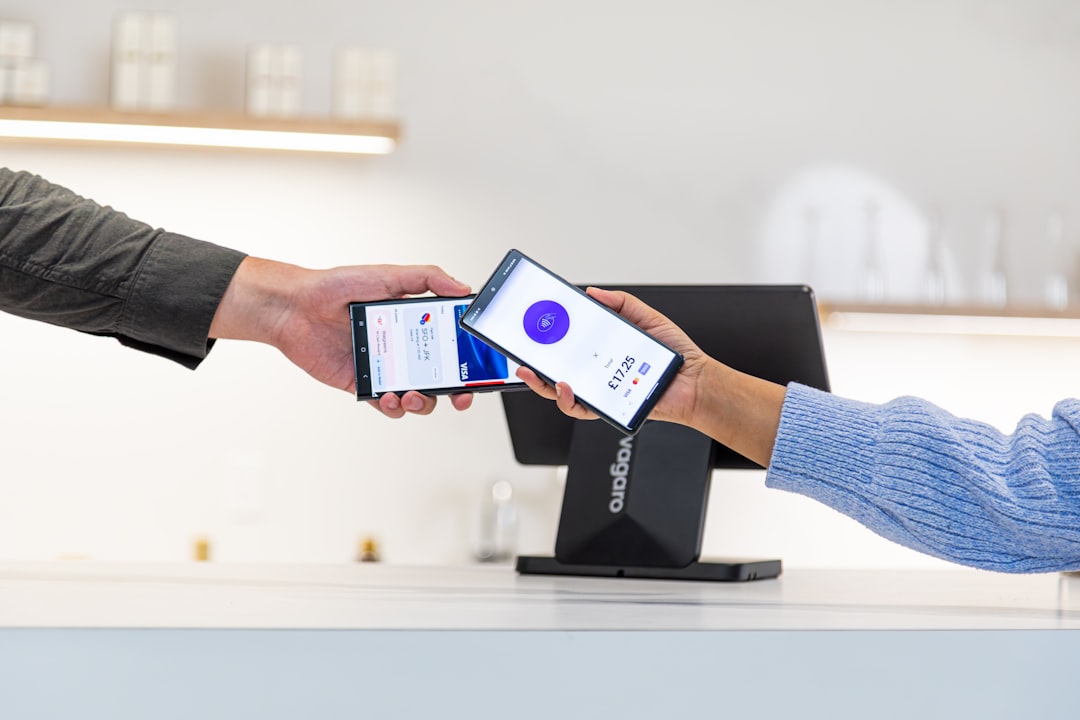
If they have PayPal, it’s faster. If not, they can often pay with a debit or credit card.
Fees: What You Should Know
Money isn’t always 100% free to move.
Fees depend on:
- Country
- Currency
- Type of payment (friends and family vs goods and services)
For many personal payments within the same country using a linked bank account, the fee may be free.
But card payments or international transfers may include fees.
Important tip:
Always double-check the fee structure in your region.
Common Peer-to-Peer Uses
Payment links work great in everyday life.
1. Splitting Dinner
Your friend paid the restaurant bill.
You send the link to the group.
Everyone pays their share.
2. Rent Between Roommates
One roommate collects and pays the landlord.
The others use the same payment link every month.
3. Group Gifts
Planning a birthday surprise?
Send the link around.
Collect contributions fast.
4. Event Contributions
Planning a trip?
Collect travel funds with one simple URL.
How Safe Are Payment Links?
Security matters.
The good news? PayPal uses:
- Encryption technology
- Fraud monitoring systems
- Buyer and seller protection policies (in many cases)
You never share your bank details directly with the person.
That alone adds a big layer of safety.
Still, smart habits help:
- Only send links to people you trust.
- Double-check amounts before confirming.
- Avoid clicking suspicious PayPal lookalike links.
If something feels off, pause.
Payment Links vs Traditional Transfers
Let’s compare.
| Feature | Payment Link | Manual Transfer |
|---|---|---|
| Share banking details | No | Sometimes yes |
| Ease of use | Very easy | Moderate |
| Reusable | Yes | No |
| Good for groups | Excellent | Not ideal |
| Works over social apps | Yes | Limited |
For peer-to-peer payments, links usually win on convenience.
Customizing Your PayPal Link
One cool feature is personalization.
You can create a custom link like:
- paypal.me/AlexPay
- paypal.me/SamTravelFund
Short. Clean. Easy to remember.
This is great if you collect money often.
Some users even bookmark their own link for quick sharing.
Setting Fixed Amounts
Want exactly $25?
You can set the link to request a fixed amount.
This helps when:
- Everyone owes the same amount
- You’re collecting event tickets
- You don’t want math mistakes
It reduces confusion.
And saves time.
International Peer Payments
Have friends abroad?
Payment links can work internationally too.
But watch for:
- Currency conversion fees
- Transfer fees
- Exchange rate differences
Still, compared to bank wires, it’s usually simpler.
No SWIFT codes required.

Common Questions
Do both people need a PayPal account?
Not always. Many times, the payer can use a debit or credit card.
Can I cancel a payment?
Once completed, payments usually can’t just be reversed instantly. You may need to resolve disputes through PayPal.
Does the link expire?
Most PayPal.Me links don’t expire unless you deactivate them.
Can I use it for business?
Yes, but fees and protection policies may differ. For casual peer payments, it’s very straightforward.
Smart Tips for Smooth Peer Payments
- Add context. Write “Dinner last night” or “April rent” in notes.
- Confirm received funds. Send a quick “Got it!” message.
- Use friends and family option when appropriate. It may affect fees and protections.
- Keep records. PayPal logs transactions automatically.
Good communication prevents misunderstandings.
Advantages and Limitations
Pros
- Extremely easy to share
- No sensitive data exposed
- Reusable for future payments
- Works across devices
Cons
- Possible transaction fees
- Not instant bank withdrawal in all cases
- Currency exchange costs internationally
No tool is perfect. But for casual peer-to-peer money moves, it’s very efficient.
The Big Picture
Money used to be physical.
Then it became digital.
Now it’s shareable with a link.
That’s the evolution.
PayPal payment links remove friction. They replace awkward money talks with a simple click. They work in group chats, during travel, at events, and in everyday life.
No paperwork. No complicated setup.
Just a link.
In a world where we share photos, playlists, and memes instantly, sharing a payment link feels natural. It fits how we already communicate.
And that’s why it works so well for peer-to-peer payments.
Fast. Secure. Simple.
Sometimes, that’s exactly what you need.