
Food delivery platforms have transformed the way people access meals, turning what was once a time-consuming task into a streamlined digital experience. In major cities and smaller towns alike, mobile apps and web-based systems allow users to order from dozens—or even hundreds—of restaurants within minutes. What sets the leading platforms apart is not just availability, but how effectively they reduce friction across the entire ordering process. When designed and executed properly, these platforms can improve convenience by as much as 80 percent, measured by time saved, reduced decision fatigue, and simplified payment and tracking systems.
TLDR: Modern food delivery platforms dramatically increase convenience by centralizing restaurant options, simplifying payments, tracking orders in real time, and offering personalized recommendations. By reducing ordering time, improving logistics, and integrating smart technology, they can improve overall convenience by up to 80 percent. The most effective platforms combine intuitive design, reliable delivery networks, and data-driven features that minimize user effort. Businesses that invest in these systems enhance customer satisfaction while optimizing operational efficiency.
The convenience improvement is not merely anecdotal. It can be measured through three practical benchmarks:
- Time Saved: Reduced travel and waiting time.
- Decision Efficiency: Search filters, ratings, and recommendation engines.
- Transaction Simplicity: Secure digital payments, saved addresses, and order history.
These platforms function as integrated ecosystems rather than simple ordering tools. Below is a closer look at the key factors that enable food delivery platforms to deliver such significant gains in convenience.
Contents
1. Centralized Restaurant Access
One of the largest contributors to improved convenience is aggregation. Instead of visiting multiple restaurant websites or making phone calls, customers browse a single interface. This centralization eliminates friction.
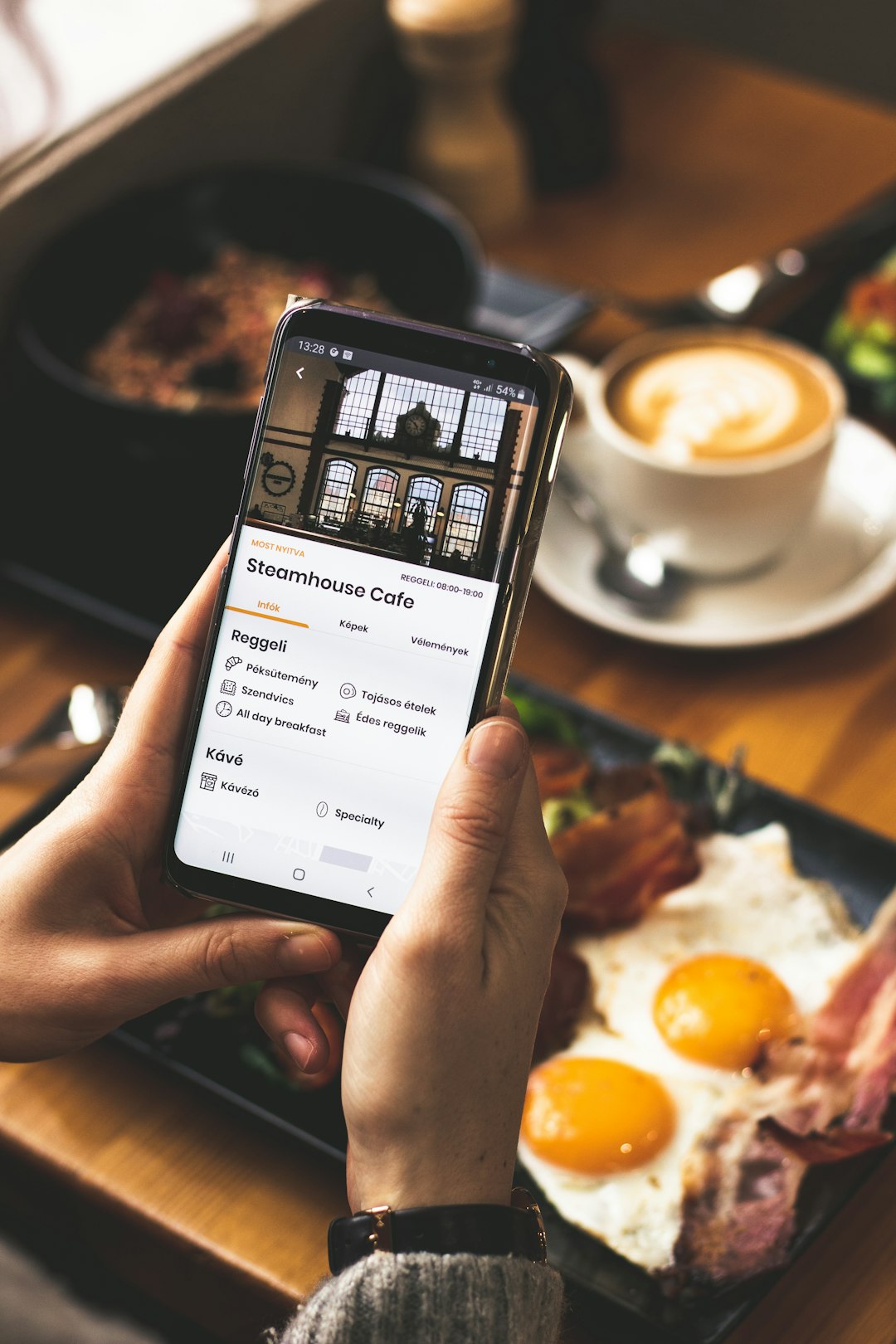
Key benefits include:
- Search filters by cuisine, price range, rating, and dietary needs.
- Real-time availability updates.
- Transparent delivery fees and estimated times.
By consolidating information, platforms reduce the cognitive load involved in making decisions. Instead of spending 20–30 minutes researching options, users often finalize their orders within five to ten minutes.
2. Real-Time Order Tracking
Uncertainty is one of the greatest inconveniences in traditional food ordering. Modern platforms address this with GPS-based tracking systems. Customers receive real-time notifications for order confirmation, preparation, dispatch, and delivery arrival.
This visibility:
- Reduces anxiety about delivery status.
- Eliminates the need for follow-up calls.
- Improves overall trust in the platform.
From a psychological standpoint, progress tracking increases perceived efficiency. Even if delivery times remain constant, the transparency alone significantly enhances user satisfaction.
3. Streamlined Digital Payments
Payment technology plays a major role in improving convenience. Platforms now support:
- Credit and debit cards
- Digital wallets
- Buy now pay later options
- Stored payment methods for one-click checkout
By removing repetitive data entry, platforms reduce checkout time to seconds. Secure encryption and fraud protection mechanisms also minimize risk, reinforcing trust among users.
4. Smart Recommendations and AI Integration
Advanced platforms leverage artificial intelligence to offer personalized recommendations. Rather than browsing endlessly, users receive curated suggestions based on past behavior.
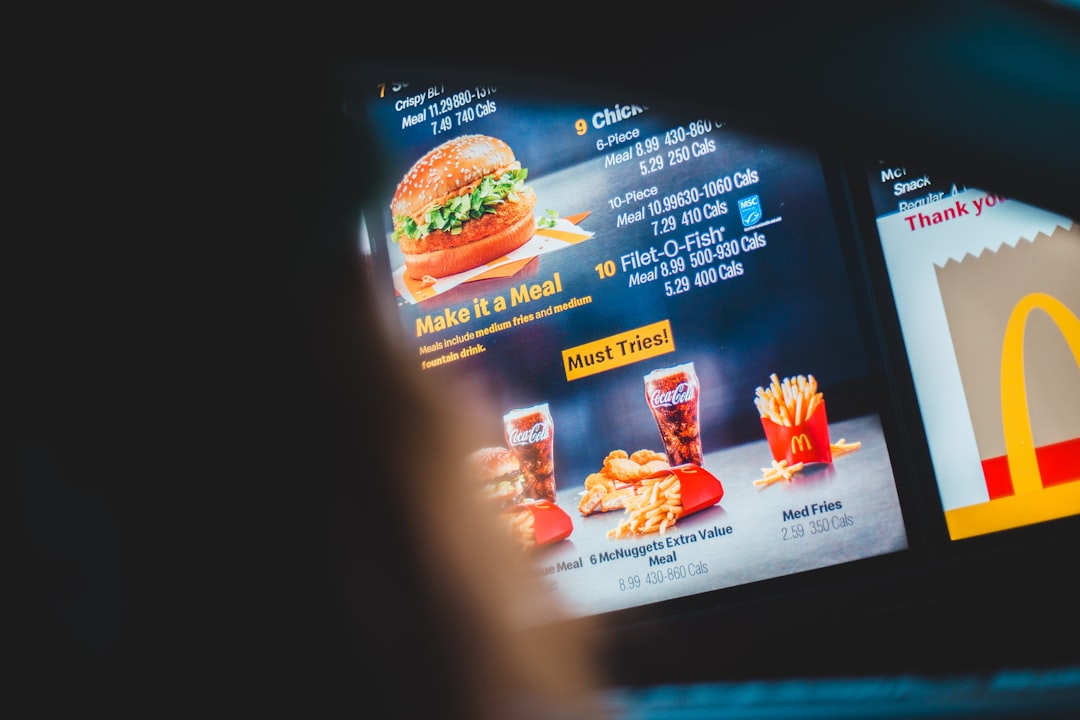
These systems analyze:
- Order history
- Time of day preferences
- Seasonal trends
- Customer ratings
As a result, decision-making becomes faster and more intuitive. Frequent users may cut browsing time by half thanks to intelligent sorting and predictive ordering features.
5. Subscription Programs and Loyalty Benefits
Many leading platforms now offer subscription services that provide:
- Free delivery on eligible orders
- Priority customer support
- Exclusive promotions
These programs improve convenience not just financially, but operationally. Subscribers often experience faster dispatch times and fewer service interruptions.
Platform Comparison Chart
Below is a comparison of typical features available across major types of food delivery platforms. The goal is to illustrate how convenience-enhancing features vary.
| Feature | Aggregator Platforms | Restaurant Direct Apps | Subscription Based Platforms |
|---|---|---|---|
| Multi Restaurant Access | Yes | No | Yes |
| Real Time GPS Tracking | Yes | Limited | Yes |
| AI Recommendations | Advanced | Minimal | Advanced |
| Subscription Discounts | Optional | Rare | Core Feature |
| Saved Preferences | Yes | Yes | Yes |
This comparison reveals that aggregator and subscription-based platforms generally offer greater convenience due to diversified features and advanced technology integration.
6. Logistics Optimization
Behind the user interface lies a sophisticated logistics network. Machine learning models optimize delivery routes based on traffic, weather, and order clustering.

Operational efficiencies include:
- Dynamic driver allocation
- Route optimization in real time
- Batch delivery grouping
These improvements reduce delivery times while maintaining cost-effectiveness. Customers benefit through faster service and more accurate arrival estimates.
7. Expanded Accessibility
Food delivery platforms have improved convenience for diverse demographics:
- Busy professionals gain back valuable time.
- Families simplify meal coordination.
- Elderly users access restaurants without transportation barriers.
- Individuals with mobility limitations gain greater independence.
The inclusive design of modern apps—featuring intuitive navigation and multiple language options—further enhances accessibility.
8. Business-Side Efficiency
Convenience improvements extend beyond customers. Restaurants also benefit from:
- Automated order management systems
- Integrated point of sale synchronization
- Demand forecasting analytics
- Digital inventory monitoring
Reduced phone orders and minimized human error improve kitchen workflow. This operational stability indirectly enhances customer convenience, as orders are more accurate and consistently prepared.
9. Reduced Physical Effort and Travel
Traditional takeout required driving, parking, waiting in line, and returning home. By eliminating these steps, delivery platforms reduce physical effort significantly.
For urban consumers, this may save:
- 30–60 minutes per meal.
- Fuel or transportation costs.
- Parking fees.
Over time, these savings compound, reinforcing the substantial improvement in overall convenience.
10. Data-Driven Continuous Improvement
Unlike traditional ordering systems, digital platforms evolve continuously. Developers monitor user behavior to identify bottlenecks and optimize the interface.
Ongoing improvements often include:
- Reduced click paths during checkout.
- Faster app load times.
- Improved push notification timing.
This iterative development model ensures that convenience gains are not static but increase over time.
Measuring the 80 Percent Improvement
The claim of an 80 percent improvement in convenience can be supported through comparative analysis:
- Time Comparison: 45 minutes traditional pickup versus 10 minutes ordering time digitally.
- Decision Reduction: Manual search across multiple sources versus filtered single-app browsing.
- Payment Speed: Cash transactions versus one-tap checkout.
When combined, these factors produce a substantial, measurable uplift in user efficiency and satisfaction.
Future Developments
The next generation of food delivery platforms may include drone delivery, autonomous vehicles, voice-based ordering through smart assistants, and deeper integration with wearable devices. These advancements will likely push convenience improvements even further, potentially surpassing current benchmarks.
Emerging technologies such as predictive meal planning and automated recurring orders could transform spontaneous ordering into a fully optimized habit-driven system.
Conclusion
Food delivery platforms have evolved into comprehensive digital ecosystems that reengineer the meal acquisition process from start to finish. Through centralized access, intelligent recommendations, secure payments, optimized logistics, and continuous innovation, these platforms significantly reduce the effort required to enjoy prepared food. The cumulative effect of these features can realistically improve convenience by 80 percent when compared to traditional ordering methods.
For consumers, the benefits are immediate and tangible: time saved, reduced stress, and greater choice. For businesses, the advantages include operational efficiency and expanded customer reach. As technology continues to advance, food delivery platforms will remain a cornerstone of modern convenience, defining how people access meals in an increasingly digital world.