
For years, Batoto was one of the most widely discussed manga aggregation platforms on the internet. Known for its large catalog and relatively clean interface, it became a go-to destination for readers looking for unofficial fan-translated manga. Then, seemingly overnight, it disappeared. The sudden shutdown left users confused and searching for answers.
TLDR: Yes, the original Batoto shut down in 2018. The closure was primarily due to legal, financial, and operational pressures tied to hosting unlicensed manga content. Since then, various sites have used the Batoto name, but they are not affiliated with the original platform. Readers should carefully evaluate the legitimacy and safety of any site claiming to be Batoto today.
Contents
The Rise of Batoto
Batoto emerged during a time when access to officially licensed manga outside of Japan was limited. Many series were not available in English, and fans relied heavily on community scanlation groups—volunteers who translated and edited manga for free distribution. Batoto positioned itself as a hosting platform designed specifically for those scanlation groups.
Unlike many other manga aggregation websites, Batoto cultivated a reputation for:
- Respecting scanlation teams by allowing them control over their releases
- Avoiding excessive advertisements compared to competitors
- Maintaining higher image quality
- Offering a relatively safe browsing experience
This differentiated it from ad-heavy aggregator sites that often scraped content without credit. As a result, it gained strong loyalty among both readers and contributors.
Did Batoto Shut Down?
Yes. The original Batoto officially shut down in early 2018. On January 18, 2018, its founder announced the closure, shocking a large user base. The announcement clarified that the shutdown was permanent and not a temporary outage.
The founder cited several major reasons:
- Rising hosting costs
- Legal risks and copyright pressure
- Personal time constraints
- Operational stress
While Batoto had attempted to operate with a degree of ethical consideration toward scanlation groups, it was still hosting copyrighted material without official licenses. This left it vulnerable to increasing legal scrutiny.
Why Did Batoto Shut Down?
The closure was not due to a single lawsuit or dramatic raid. Rather, it was the result of mounting structural issues that made continued operation unsustainable.
1. Legal Pressure
Manga publishers have become increasingly aggressive in protecting their intellectual property. Over time, copyright enforcement efforts expanded internationally. Even platforms attempting to operate responsibly were not exempt from scrutiny.
Hosting unlicensed content carries inherent legal risk. As publishers improved monitoring and enforcement strategies, websites like Batoto found it increasingly difficult to exist without the threat of takedowns or worse.
2. Financial Constraints
Running a high-traffic media hosting site is expensive. Storage, bandwidth, server maintenance, and security all cost money. Unlike many competitors, Batoto did not rely heavily on intrusive ads, popups, or malicious redirect schemes.
This ethical stance made it popular—but it also reduced revenue potential. The founder indicated that financially sustaining the platform long-term had become unrealistic.
3. Operational Demands
Managing a site of Batoto’s scale required constant moderation, technical oversight, and community management. As the platform grew, the demands increased. Eventually, maintaining operations became too burdensome for the small team behind it.
Combined, these pressures made closure the most viable option.
What Happened After the Shutdown?
When Batoto went offline, confusion spread quickly. Within weeks, several clone sites and similarly named platforms appeared. Some claimed to be “the new Batoto.” Others used similar branding to attract former users.
However, it is important to understand:
- The original Batoto did not return.
- Most sites using the name are unofficial clones.
- There is no verified successor endorsed by the founder.
These clones often differ drastically in quality, safety, and ethics. Some introduced heavy advertising, suspicious download buttons, and even malware risks—issues that the original Batoto had worked to avoid.
Is Batoto Still Available Today?
If you come across a site called “Batoto” today, it is not the same site that shut down in 2018. The domain and brand name have been reused in various forms. Some versions may simply function as standard manga aggregators, while others may pose security risks.
Signs that a site is not the original Batoto include:
- Excessive ads or aggressive popups
- Unsecured connections (lack of HTTPS)
- No transparent ownership information
- Frequent domain changes
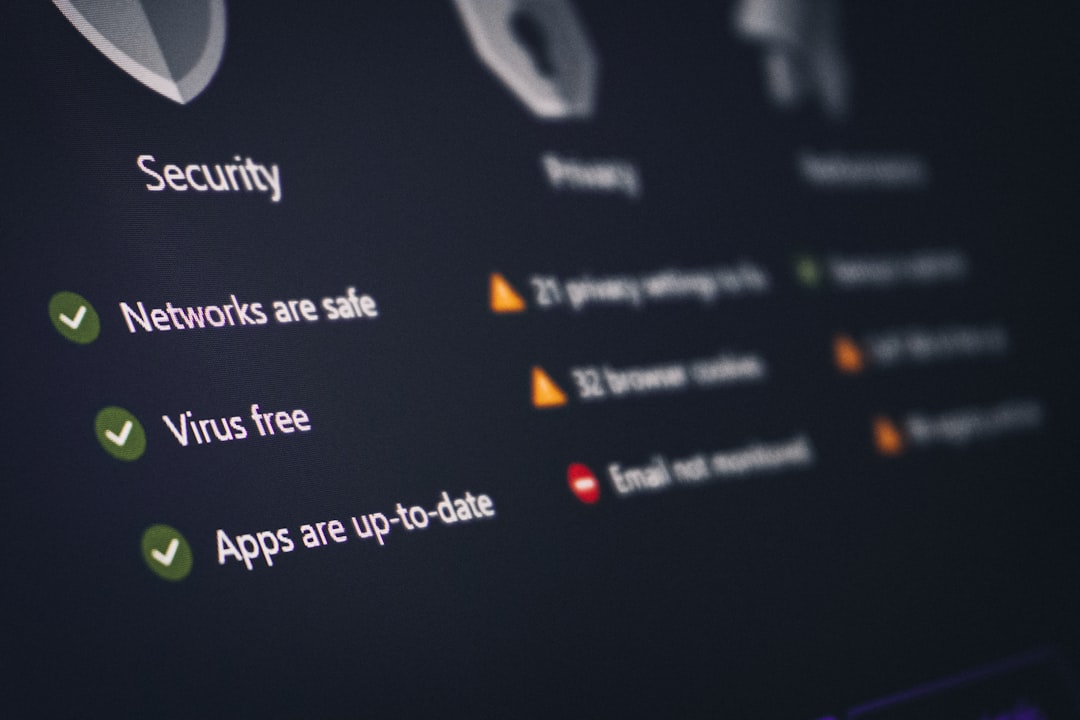
Users should exercise caution and use security tools such as ad blockers, antivirus software, and browser protections if visiting unofficial manga sites.
Impact on the Manga Community
The shutdown of Batoto marked a noticeable shift in the online manga ecosystem. For years, Batoto had acted as a centralized, semi-curated hub for scanlations. Its disappearance fragmented the community.
Key impacts included:
- Displacement of scanlation groups to multiple smaller platforms
- Increased dominance of ad-heavy aggregator sites
- Greater user migration toward official services
Interestingly, the closure also coincided with a strong expansion of legal manga distribution platforms worldwide. Services such as subscription-based apps and official digital publishers began offering broader catalogs at accessible price points.
This shift created an inflection point. While piracy remains widespread, the availability of legal alternatives has improved dramatically compared to the early 2010s.

Lessons from Batoto’s Closure
The story of Batoto highlights broader issues in digital content distribution.
1. Sustainability Matters
Even well-intentioned platforms cannot survive indefinitely without a solid financial model. Hosting costs and infrastructure expenses cannot be absorbed long-term without revenue or investment.
2. Legal Risk Never Disappears
No matter how community-driven or ethically positioned a site may be, copyright law remains enforceable. Increased digital enforcement tools have made it harder for unauthorized platforms to operate unnoticed.
3. Community Loyalty Is Not Enough
Batoto had a loyal base of users and contributors. However, loyalty alone could not offset regulatory and operational pressures.
Should You Use Unofficial Manga Sites Today?
Readers today have more legal options than ever before. Many publishers now provide:
- Digital simulpub releases
- Subscription-based access libraries
- Affordable eBook purchases
- Free, ad-supported official chapters
While unofficial sites may seem convenient, users should consider:
- Security risks
- Privacy concerns
- Potential malware exposure
- Ethical implications of copyright violation
Supporting official distribution channels directly benefits creators, translators, and publishers. It also reduces the risk of sudden shutdowns like the one that affected Batoto.
Conclusion
So, did Batoto shut down? Yes—the original Batoto closed permanently in 2018 due to legal, financial, and operational pressures. While various websites have since adopted the name, none are officially connected to the original platform.
Batoto’s closure serves as a case study in the challenges facing unauthorized digital media platforms. It demonstrated that even relatively ethical piracy-adjacent communities face structural barriers that are difficult to overcome. For readers, it marked the end of an era—but also the beginning of wider access to legitimate manga services worldwide.
Anyone encountering a site claiming to be Batoto today should approach it critically. The internet rarely forgets a popular brand name—but that does not mean the original platform still exists.