
Microorganisms are the unseen stalkers of the microscopic world, inhabiting every corner of our planet and even our own bodies. But when magnified hundreds or thousands of times under the lens of a powerful microscope, these tiny organisms transform into something utterly fascinating—and often, downright creepy. From spiky exteriors to alien-like appendages, these lifeforms both amaze and unsettle our imaginations.
Contents
TL;DR:
The microscopic world is far from dull—when zoomed in through the lens of a microscope, microorganisms often take on eerie, alien appearances. This article explores some of the creepiest microorganisms discovered under the microscope, revealing their unsettling features and peculiar behaviors. Despite their otherworldly looks, these tiny organisms play vital (and sometimes dangerous) roles in ecosystems and human health. Read on if you’re brave enough to see nature’s smallest nightmares up close.
Why Microorganisms Look So Creepy Under a Microscope
There’s a simple reason why these tiny entities look like something out of a horror film: evolution. Many microorganisms have developed complex structures to help them survive, feed, reproduce, or evade predators, which just happen to look terrifying to the human eye when magnified.
Microscope photography—also known as micrography—has opened an entire dimension of visual science. Combined with advanced techniques like scanning electron microscopy (SEM), we can now observe microorganisms in extraordinary detail.
The Chilling Cast: Terrifying Microorganisms Captured on Camera
Here are some of the creepiest microorganisms ever photographed under a microscope:
1. Tardigrades – The Undying Monsters
Also known as “water bears” or “moss piglets,” tardigrades might not be inherently terrifying by size—they measure just 0.3 to 0.5 millimeters—but their appearance says otherwise. Under a microscope, these creatures look like bloated, eyeless demons with eight stubby legs, each ending in claw-like hooks. Worse yet, tardigrades are virtually indestructible. They can survive extreme temperatures, radiation, the vacuum of space, and even boiling acid.
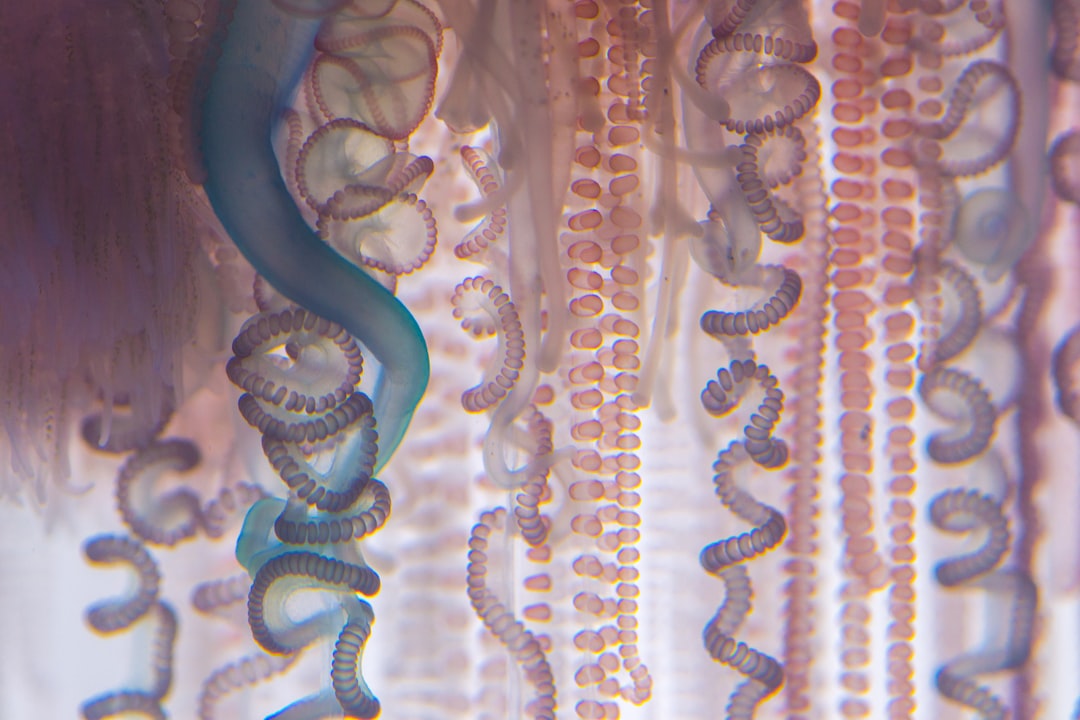
Creepy Feature: Their alien-like ability to “suspend” their metabolism for decades in a state called cryptobiosis.
2. Naegleria fowleri – The Brain-Eating Amoeba
This single-celled organism looks unassuming, like a blobby speck under a microscope, but don’t let that fool you. Naegleria fowleri is nicknamed the “brain-eating amoeba”—and for good reason. When it enters the human body through the nose, usually during freshwater swimming, it travels to the brain and causes a rare, often fatal condition known as primary amoebic meningoencephalitis (PAM).
Creepy Feature: Its mode of attack. Once inside the brain, it consumes neural tissue, leading to severe neurological damage and death within days.
3. Hydra – Tentacled Hunters
Named after the mythical Greek serpent that grew two heads for every one chopped off, the microscopic Hydra isn’t quite as dramatic—but it’s still pretty unsettling. It’s a freshwater organism with multiple tentacles that lash out at prey with venomous harpoons called nematocysts.
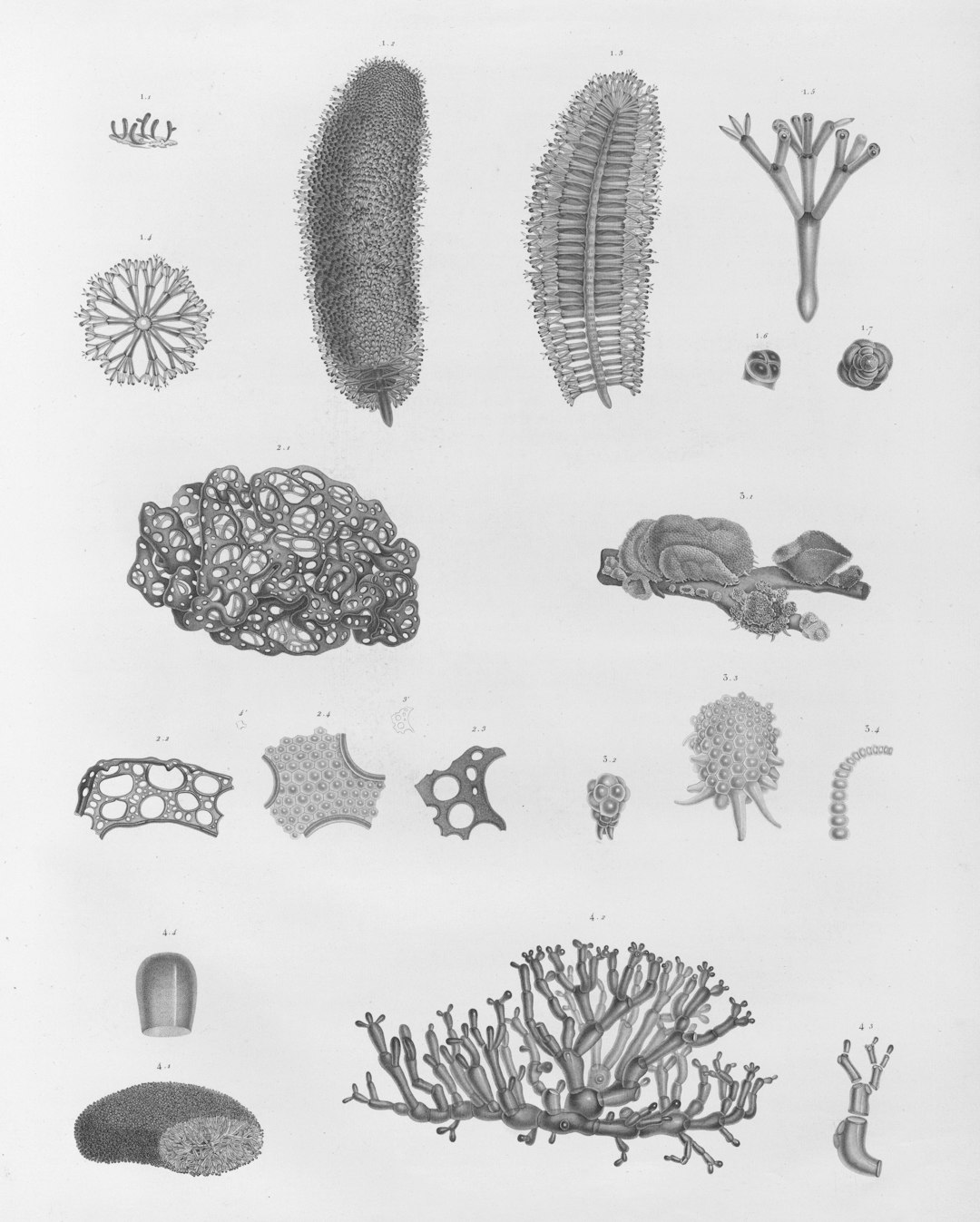
Creepy Feature: Hydra can regenerate entirely from a severed piece, making them effectively immortal under the right conditions.
4. Trypanosoma brucei – The Blood Dancer
This worm-like protozoan looks like a villain from a microscopic nightmare. Seen under the microscope, they slither through blood plasma like ethereal serpents. They are the culprit behind African sleeping sickness, a disease transmitted by the tsetse fly.
Creepy Feature: Their ability to “cloak” themselves by constantly changing their outer proteins, making it difficult for the immune system to recognize them.
5. Demodex – Face Mites That Live in Your Pores
Unsettling news—you most likely have tiny arachnid-like organisms crawling on your face right now. Called Demodex, these microscopic mites live in hair follicles and sebaceous glands, especially on the face. Under a microscope, they resemble a cross between a stubby worm and a ghostly insect with long legs and no eyes. While generally harmless, their presence is never less than alarming once visualized.
Creepy Feature: They come out at night to mate on your skin, then crawl back into pores to lay eggs.
The Photographic Methods Behind the Madness
Capturing these biological horrors requires highly specialized equipment and techniques. Here are a few commonly used methods:
- Light Microscopy: Uses visible light and basic optical lenses to magnify samples up to 1000x. Often used for transparent organisms.
- Fluorescence Microscopy: Employs special dyes that glow under ultraviolet light, producing eerie, glowing images of microorganisms’ inner workings.
- Scanning Electron Microscopy (SEM): This method bombards the organism with electrons to create a 3D image that often looks hyper-realistic and creepily detailed.
Each technique brings out different aspects of the organism—structure, movement, color, and texture—and together, they give us a full horror reel from the microscopic world.
Why Look at Creepy Microorganisms?
Besides the inherent curiosity, understanding these creepy organisms has significant real-world applications:
- Medical Research: Identifying pathogens like Naegleria fowleri leads to quicker diagnoses and treatments.
- Environmental Monitoring: Organisms like Tardigrades help us understand extreme environments and climates.
- Evolutionary Biology: Studying weird adaptations, like regeneration in Hydra, sheds light on fundamental biological processes that could have therapeutic potential.
Could These Microorganisms Inspire Fiction?
Absolutely. The aesthetic and behavioral oddities of microbes have influenced films, novels, and even anime. Imagine the biological horror in movies like The Thing or Alien deriving inspiration from constant protein-shifters like Trypanosoma or body invaders like Naegleria. Some microbes even resemble extraterrestrial life so closely, NASA includes extremophiles in its search-for-life models on other planets.

Conclusion: Monsters in Miniature
Though invisible to the naked eye, the world of creepy microorganisms is rich with lifeforms that defy expectations and unsettle the imagination. Through the lens of a camera-equipped microscope, creatures like Demodex, Tardigrades, and Naegleria evolve from harmless specks to vivid reminders that evolution produces both beauty and horror in equal measure.
Whether you’re a scientist, a photographer, or just a curious soul, exploring the micro-world offers haunting glimpses into nature’s most bizarre and fascinating forms of life. One thing is certain: after seeing these chilling images, you’ll never look at a drop of pond water—or your own skin—the same way again.