Understanding what your customers think, feel, and expect is no longer a luxury—it is a competitive necessity. Businesses that consistently gather and act on user insights are better equipped to refine their products, improve customer experiences, and drive long-term loyalty. Fortunately, modern customer feedback tools make it easier than ever to capture meaningful data across touchpoints, from websites and apps to email and social media.
TLDR: Customer feedback tools help businesses collect valuable insights directly from users to improve products, services, and overall experience. From real-time surveys to usability testing and social listening platforms, each tool offers unique advantages. Choosing the right mix allows companies to understand customer needs, resolve pain points, and foster loyalty. The key is not just collecting data—but acting on it strategically.
Below are six powerful customer feedback tools that can help you gather actionable user insights and make smarter business decisions.
Contents
1. Online Surveys
Online surveys are one of the most widely used and versatile feedback methods. They allow businesses to ask direct questions and collect structured responses at scale.
Whether embedded on your website, sent via email, or triggered after a purchase, surveys can gather information about:
- Customer satisfaction (CSAT)
- Net Promoter Score (NPS)
- Product usability
- Feature requests
- Overall brand perception
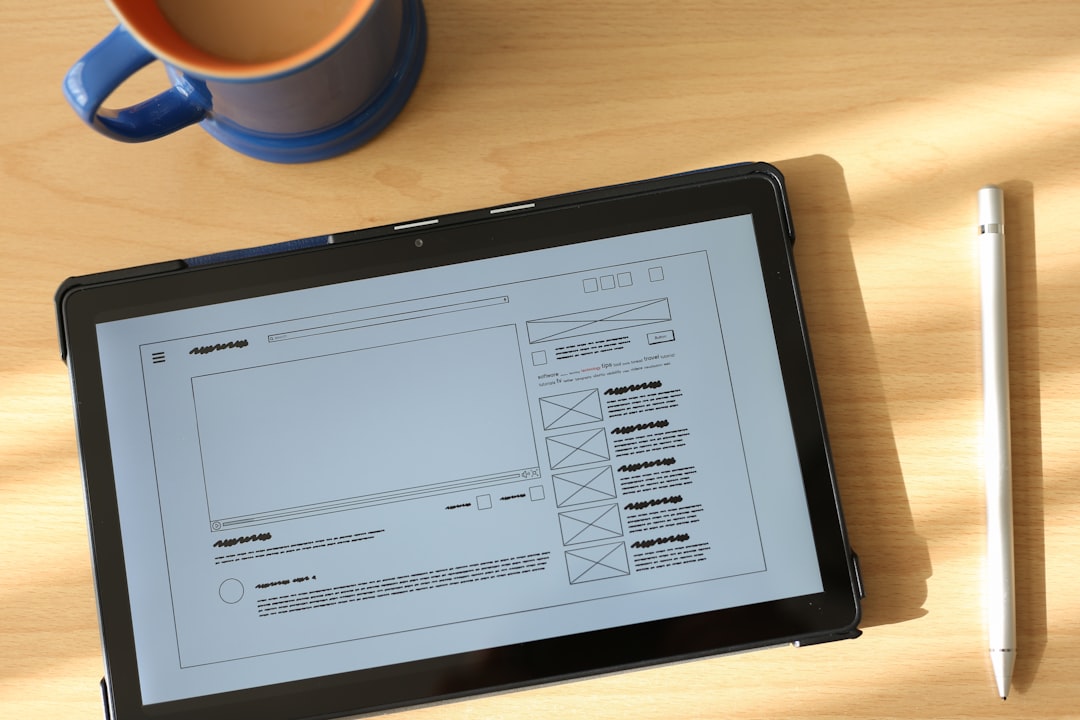
The key advantage of surveys is customization. You can use multiple-choice, open-ended, or rating-scale questions depending on the depth of information you need. Short, targeted surveys often perform best, particularly when delivered immediately after an interaction (like completing a purchase or contacting support).
Best practices for survey success:
- Keep them short and focused
- Ask one clear question at a time
- Offer incentives if appropriate
- Avoid leading or biased wording
When designed well, surveys provide quantitative data that can reveal patterns and trends, allowing teams to track improvements over time.
2. In-App and On-Site Feedback Widgets
Sometimes the most valuable feedback comes in the moment. In-app and on-site feedback widgets allow users to share their thoughts while actively using your product or browsing your website.
These tools commonly appear as:
- Small feedback buttons in the corner of a page
- Popup rating prompts
- Feature-specific reaction icons
- Short contextual questionnaires
The strength of this method lies in its contextual relevance. Instead of relying on memory, users can report issues or impressions instantly—right when they encounter a problem or have a positive experience.
For example:
- If a checkout page feels confusing, users can flag it immediately.
- If a new feature delights them, they can respond instantly.
- If a page loads slowly, users can report performance concerns.
This type of feedback is especially helpful for product and UX teams aiming to refine digital experiences in real time.
3. Customer Interviews
While surveys provide breadth, customer interviews provide depth. Speaking directly with users allows you to explore motivations, frustrations, expectations, and emotional drivers that structured forms might miss.
Interviews can be conducted via:
- Video calls
- Phone conversations
- In-person sessions
- Recorded user research panels
Unlike surveys, interviews encourage open dialogue. You can ask follow-up questions, clarify vague answers, and dig into surprising responses.
What makes interviews powerful?
- They uncover hidden pain points
- They reveal how customers describe your product in their own words
- They identify unmet needs and product opportunities
- They help validate assumptions before launching new features
Though more time-consuming, even 10–15 interviews can uncover patterns that significantly influence product direction. Recording and analyzing these conversations also allows teams to extract recurring themes.
4. Usability Testing Tools
Usability testing tools allow you to observe how real users interact with your product. Instead of simply asking for opinions, these tools capture behavioral insights.
Some common usability features include:
- Screen recordings
- Click tracking
- Heatmaps
- Session replays
- Task-based testing scenarios
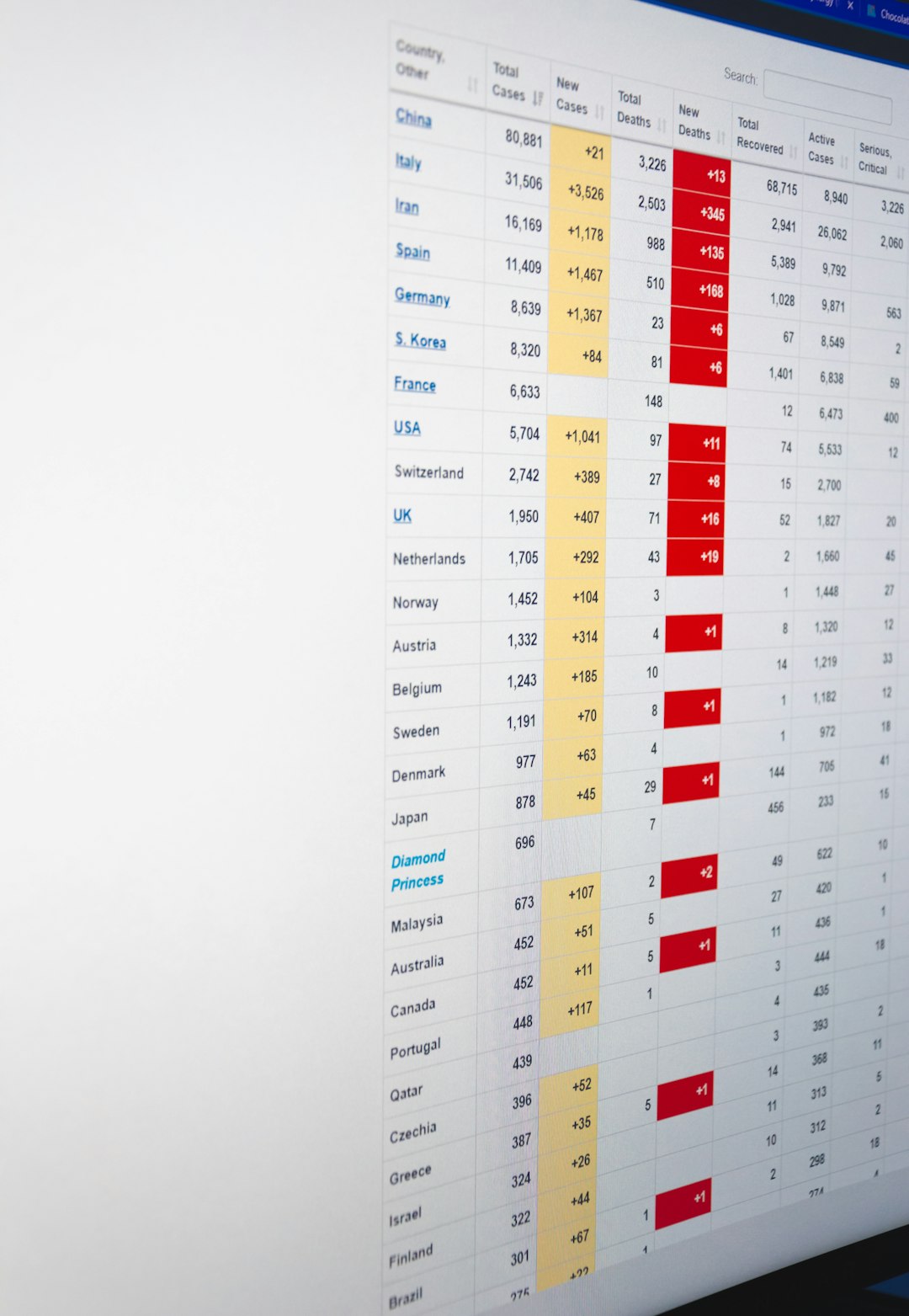
Heatmaps show where users click, scroll, or hover most frequently. Session recordings allow you to see frustration signals such as repeated clicks or rapid page exits. Task-based testing helps measure how easily users complete specific actions, like signing up or adding an item to their cart.
With usability insights, you can:
- Optimize navigation flows
- Reduce friction in key journeys
- Improve load times and layout design
- Increase conversion rates
This kind of data-driven approach reduces guesswork and replaces assumptions with observable behavior.
5. Social Listening Tools
Not all feedback is given directly to your company. Many customers openly share opinions on social media platforms, forums, and review sites. Social listening tools monitor these conversations and analyze sentiment around your brand.
They track:
- Brand mentions
- Competitor comparisons
- Industry trends
- Customer complaints
- Positive testimonials
One of the major advantages of social listening is unfiltered opinion. Since users are not responding to a direct request, their feedback is often more candid and emotionally honest.
Additionally, tracking recurring complaints on social media can highlight systemic issues that surveys may not reveal. For example, if multiple users complain about shipping delays or customer support responsiveness, leadership can prioritize operational improvements.
Proactively responding to public feedback also demonstrates engagement and accountability, further strengthening brand trust.
6. Customer Support Feedback Systems
Your support team interacts with customers daily, making it a goldmine of insights. Support-based feedback tools collect input after helpdesk interactions, live chats, or email resolutions.
Common approaches include:
- Post-chat rating surveys
- Email satisfaction polls
- Ticket categorization analytics
- Issue frequency tracking
These systems help you identify:
- Recurring technical problems
- Training needs within support teams
- Response time satisfaction levels
- Product areas causing confusion
Analyzing support tickets over time can reveal product weaknesses that may not emerge through traditional surveys. For instance, if 30% of tickets relate to password reset issues, that signals an opportunity to simplify authentication processes.
Support feedback closes the loop between product development and customer experience, ensuring that recurring issues are addressed at the root cause.
How to Choose the Right Combination
No single tool delivers a complete picture of customer sentiment. The most effective strategy combines multiple feedback channels to create a well-rounded insight system.
Consider the following when building your feedback stack:
- Stage of growth: Early-stage startups may focus more on interviews, while mature companies rely on scalable surveys and analytics.
- Product complexity: Complex tools benefit greatly from usability testing and in-depth interviews.
- Customer volume: Large audiences require automated and scalable systems.
- Internal resources: Some tools require dedicated analysis and research teams.
The real value emerges when feedback is centralized, analyzed systematically, and translated into concrete action steps.
Turning Insights into Action
Collecting feedback is only the first step. To truly benefit from user insights, companies must implement structured processes for analysis and execution.
Here’s how to maximize impact:
- Categorize feedback by themes such as usability, pricing, features, or support.
- Quantify recurring issues to identify high-impact priorities.
- Share insights cross-functionally across product, marketing, and support teams.
- Communicate updates back to customers when improvements are made.
When customers see their feedback translated into enhancements, trust and loyalty increase significantly.
Final Thoughts
Customer feedback tools are not just data collectors—they are strategic assets. By combining surveys, in-app widgets, interviews, usability testing, social listening, and support analytics, businesses can construct a 360-degree view of user experience.
In today’s competitive digital landscape, intuition alone is not enough. Companies that actively listen, measure, and iterate based on real user insights position themselves ahead of the curve. More importantly, they create products and experiences that genuinely resonate with the people they serve.
Ultimately, the goal is simple: listen carefully, analyze thoughtfully, and act decisively.