
As businesses scale across digital channels, providing fast, consistent, and personalized customer support has become increasingly complex. AI customer service bots have emerged as a powerful solution, enabling organizations to automate conversations while maintaining high-quality interactions. These intelligent systems use natural language processing, machine learning, and data analytics to understand user intent and respond in real time. From answering simple FAQs to guiding customers through detailed troubleshooting steps, AI bots are reshaping the way companies engage with their audiences.
TLDR: AI customer service bots automate conversations using natural language processing and machine learning. They improve response times, reduce operational costs, and deliver 24/7 support across multiple channels. While not a complete replacement for human agents, they enhance efficiency by handling routine inquiries and supporting live teams. Businesses adopting AI bots gain scalability, personalization, and valuable data insights.
Modern consumers expect immediate responses, whether they are browsing an e-commerce site at midnight or contacting a financial institution during peak business hours. Human-only support models often struggle to keep up with these expectations. AI-powered bots fill this gap by offering instant, around-the-clock assistance without the constraints of staffing schedules or time zones.
Contents
What Are AI Customer Service Bots?
AI customer service bots are software applications designed to simulate human conversation. Unlike traditional rule-based chatbots that follow predefined scripts, AI-driven bots leverage advanced algorithms to interpret user input, detect intent, and respond dynamically. They can be deployed across:
- Websites and landing pages
- Mobile applications
- Messaging platforms
- Social media channels
- Voice assistants and smart devices
By integrating with customer relationship management (CRM) systems and internal databases, these bots can retrieve order statuses, process returns, schedule appointments, and even recommend products.
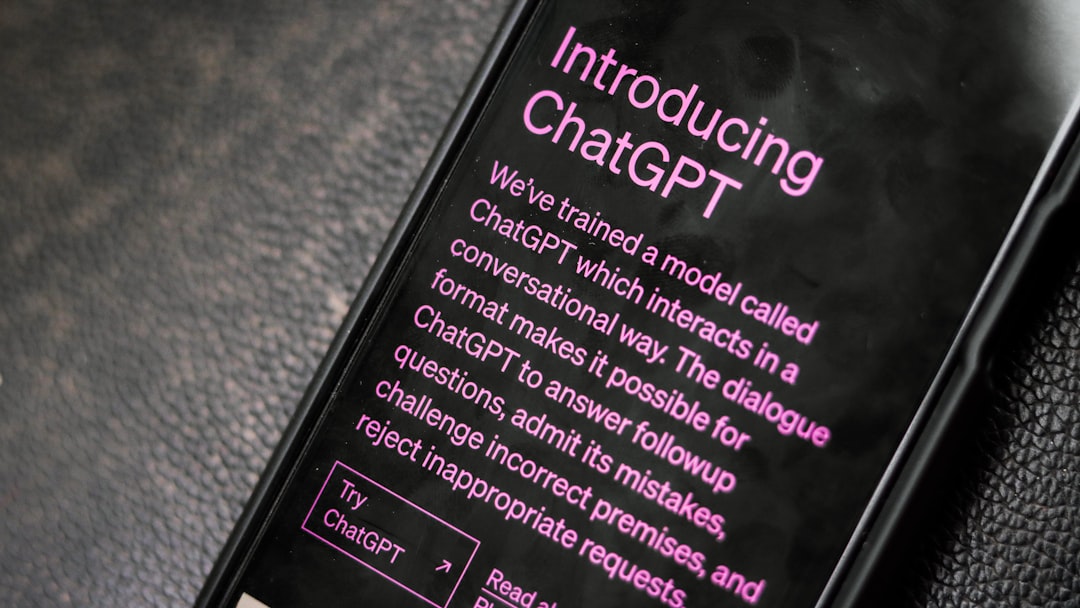
How AI Bots Automate Conversations
Automation is not simply about replying quickly; it is about understanding context and delivering meaningful answers. AI customer service bots rely on several key technologies:
1. Natural Language Processing (NLP)
NLP allows bots to interpret written or spoken language. It identifies keywords, sentence structure, and sentiment, enabling the bot to determine what the user wants.
2. Machine Learning
Through continuous learning, bots improve over time. They analyze past conversations, detect patterns, and refine responses to increase accuracy and relevance.
3. Intent Recognition
Intent recognition helps the system classify requests, such as “track my order” or “reset my password.” Once intent is clear, the bot executes a predefined workflow.
4. Context Awareness
Advanced bots maintain conversation context, allowing users to ask follow-up questions without repeating information. This creates smoother, more human-like interactions.
For example, if a customer asks about shipping fees and then inquires about delivery times, the bot understands that both questions relate to the same purchase context.
Key Benefits of AI Customer Service Bots
Organizations across industries are adopting AI bots because they deliver measurable advantages.
24/7 Availability
Unlike human agents, AI bots do not require breaks or shifts. They provide uninterrupted assistance, ensuring that customer inquiries are acknowledged instantly.
Cost Efficiency
By handling repetitive inquiries such as password resets, account balances, or order tracking, bots reduce the workload of live agents. This can significantly lower operational expenses.
Scalability
During high-traffic periods—holiday sales or product launches—AI bots can manage thousands of simultaneous conversations without delays.
Consistency in Responses
Bots deliver standardized answers based on company-approved information, minimizing errors and inconsistencies.
Data Collection and Insights
Each interaction generates valuable data. Businesses can analyze conversation logs to identify common concerns, improve products, and refine service strategies.

Common Use Cases Across Industries
E-commerce: AI bots assist with product recommendations, order tracking, refunds, and returns. They also provide personalized suggestions based on browsing history.
Healthcare: Bots schedule appointments, send medication reminders, and answer basic questions about services.
Banking and Finance: Customers can check account balances, receive transaction alerts, and get assistance with loan applications.
Telecommunications: Bots troubleshoot connectivity issues and guide users through device setup processes.
In each case, the automation of routine tasks frees human agents to focus on complex or emotionally sensitive issues that require empathy and nuanced judgment.
Human and AI Collaboration
While AI customer service bots are powerful, they are not intended to completely replace human agents. Instead, the most effective implementations use a hybrid approach. Bots handle initial queries and escalate complex matters to live representatives.
This collaboration offers several advantages:
- Reduced wait times before speaking to a human
- Pre-collected information for faster resolution
- Improved agent productivity
- Higher customer satisfaction rates
When escalation occurs, the conversation history is transferred seamlessly, preventing customers from repeating themselves.
Challenges and Considerations
Despite their benefits, AI bots present certain challenges that organizations must address.
Understanding Nuance
Language can be ambiguous, and slang or sarcasm may confuse automated systems. Continuous training and updates are essential.
Data Privacy and Security
Bots often access sensitive customer information. Businesses must implement robust encryption and comply with data protection regulations.
Maintaining a Human Touch
Some customers prefer speaking directly with a person. Providing clear options to connect with a human agent prevents frustration.
Implementation Costs
While long-term savings are significant, initial development, integration, and training require investment.
Best Practices for Successful Deployment
To maximize efficiency and user satisfaction, companies should follow several proven strategies:
- Define Clear Objectives: Identify the specific tasks the bot will automate.
- Start with Common Questions: Automate high-frequency, repetitive inquiries first.
- Continuously Train the System: Update responses based on user feedback and new data.
- Monitor Performance Metrics: Track resolution rates, response times, and customer satisfaction scores.
- Provide Easy Escalation Paths: Ensure customers can quickly reach a live agent if needed.
Regular evaluation ensures that the bot evolves alongside customer expectations and business needs.
The Future of AI in Customer Service
As artificial intelligence continues to advance, customer service bots are becoming more sophisticated. Emerging developments include:
- Emotion detection through sentiment analysis
- Voice-enabled AI for natural spoken conversations
- Predictive assistance that anticipates issues before customers report them
- Multilingual capabilities to support global audiences
These innovations promise even more personalized and proactive customer experiences. Businesses that embrace AI-driven automation early are better positioned to remain competitive in increasingly digital markets.
Ultimately, AI customer service bots represent more than a technological trend. They signify a shift toward smarter, more responsive engagement strategies. By automating conversations intelligently and responsibly, organizations can enhance efficiency while preserving meaningful human interaction where it matters most.
Frequently Asked Questions (FAQ)
1. Are AI customer service bots the same as traditional chatbots?
No. Traditional chatbots often rely on fixed scripts and limited decision trees. AI customer service bots use machine learning and natural language processing to understand context and improve over time.
2. Can AI bots completely replace human support agents?
While they can handle many routine inquiries, they work best alongside human agents. Complex or sensitive cases often require human empathy and judgment.
3. How secure are AI customer service bots?
Security depends on implementation. When integrated with proper encryption, authentication protocols, and regulatory compliance, AI bots can securely manage customer data.
4. What types of businesses benefit most from AI bots?
Businesses with high volumes of repetitive inquiries—such as e-commerce, banking, telecommunications, and healthcare providers—gain the most immediate benefits.
5. How long does it take to implement an AI customer service bot?
Implementation timelines vary based on complexity, integration requirements, and customization needs. Basic deployments may take weeks, while advanced solutions can take several months.