
Coworking spaces have evolved far beyond shared desks and good coffee. Today’s flexible work environments are dynamic ecosystems where layout, technology, and user experience must work together seamlessly. As demand for hybrid work models grows, operators face a common challenge: how to use every square foot efficiently without compromising comfort or collaboration. The solution lies in the smart adoption of tools specifically designed to measure, manage, and optimize space usage.
TL;DR: Optimizing space in a coworking environment requires the right combination of technology and layout strategy. Tools like desk booking systems, occupancy sensors, space analytics software, and modular layout planners help maximize efficiency and member satisfaction. These tools provide real-time insights, reduce wasted space, and improve operational flexibility. When used together, they create a smarter, more profitable coworking environment.
Below are four essential coworking space tools that can dramatically improve how your space functions, performs, and grows.
Contents
1. Desk and Room Booking Systems
One of the most impactful tools for coworking space optimization is a cloud-based booking system. Without structured reservations, desks and meeting rooms often sit empty while others are overbooked. This inefficient imbalance leads to wasted square footage and frustrated members.
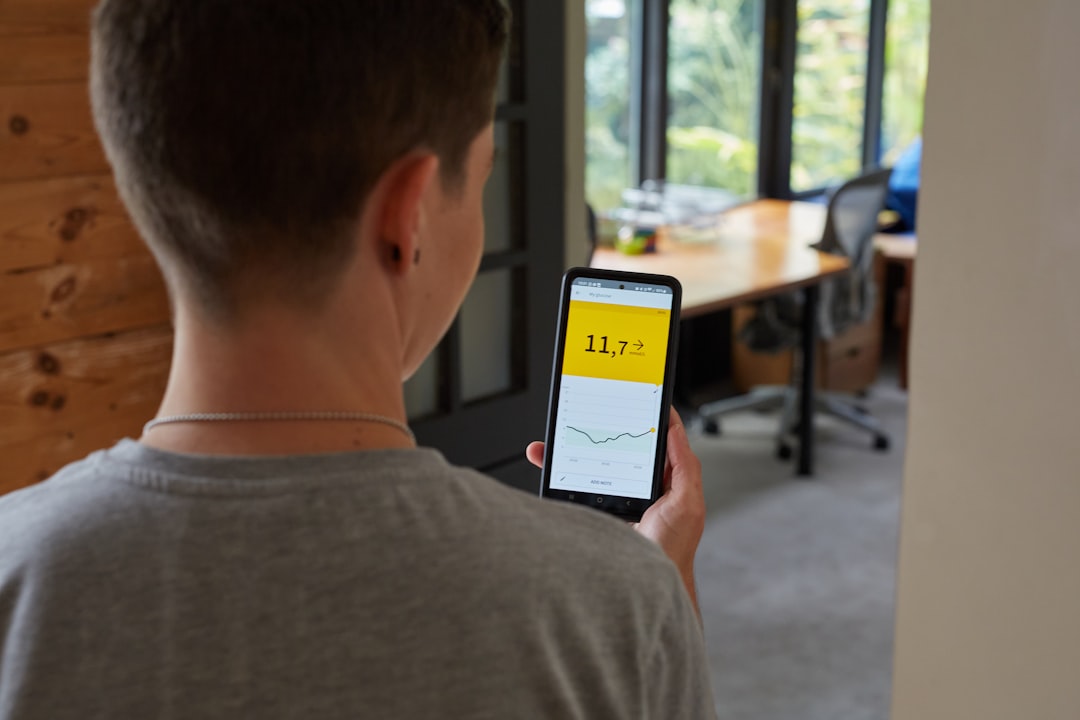
Desk booking platforms allow members to reserve workstations, private offices, or meeting rooms in advance. Many systems integrate with mobile apps, access control systems, and calendars to provide seamless scheduling.
Why It Optimizes Space
- Eliminates ghost bookings: Automated check-ins release unused reservations.
- Tracks peak usage times: Identify underutilized areas or high-demand zones.
- Encourages flexible seating: Reduces the need for permanently assigned desks.
- Supports hybrid models: Accommodates fluctuating attendance patterns.
For example, data may show that desks near windows are consistently booked while corner areas go unused. Armed with this information, operators can reconfigure layouts to better distribute demand.
Booking systems also enable tiered membership structures. Instead of offering large fixed office packages, operators can introduce flexible credits-based access. This strategy increases density without overcrowding.
2. Occupancy Sensors and Smart Monitoring
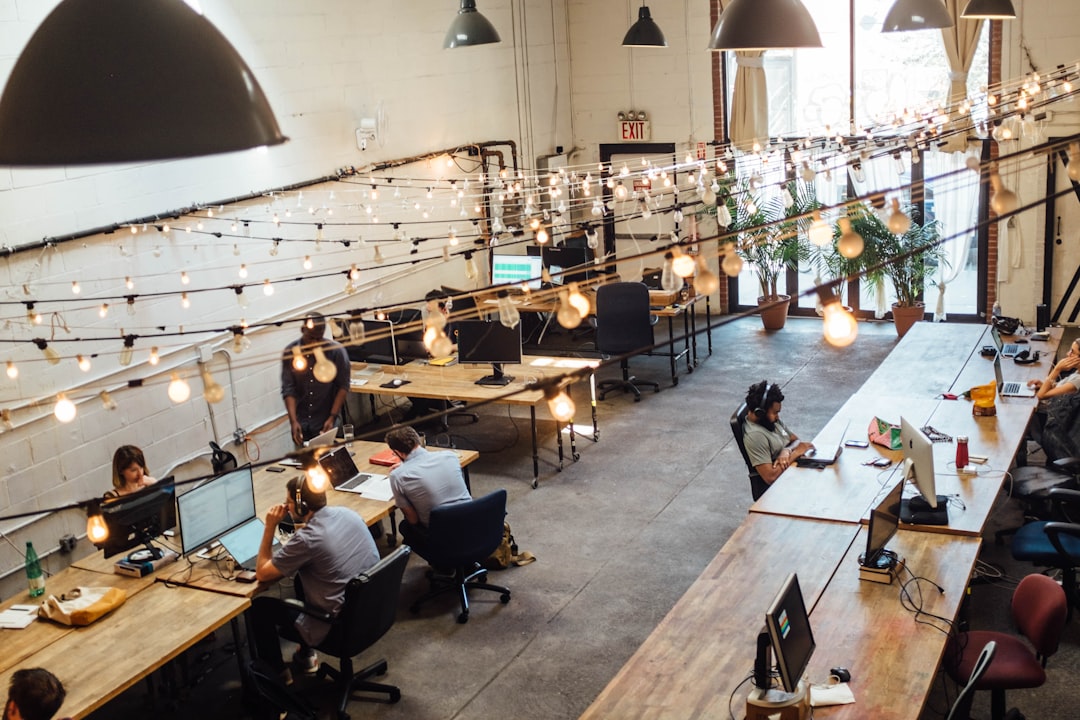
While booking systems show intent, occupancy sensors reveal actual behavior. These devices, often installed in ceilings or under desks, detect real-time usage levels. Motion sensors, infrared scanners, and even AI-powered cameras (privacy-compliant) measure how frequently spaces are truly occupied.
This real-time insight is essential for accurate space planning.
Key Benefits
- Real-time utilization tracking
- Heatmaps of activity zones
- Data-backed layout decisions
- Energy savings through smart lighting and HVAC
Imagine learning that your large conference room is only used at 35% capacity most of the time. That oversized room could potentially be divided into two smaller, more profitable spaces. Conversely, you might discover that informal lounge areas are consistently at full capacity—signaling an opportunity to expand collaborative seating.
Smart monitoring tools also contribute to sustainability. By integrating occupancy data with climate and lighting systems, coworking operators can reduce energy consumption in unoccupied zones, lowering operational costs.
3. Space Analytics and Reporting Software
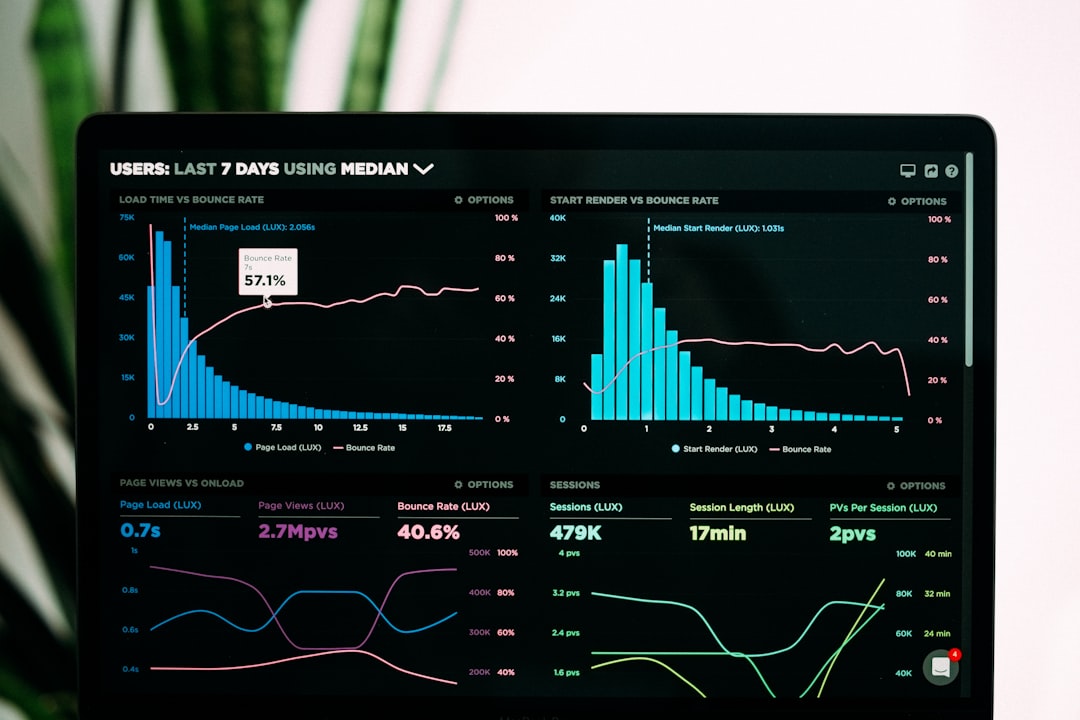
Data without interpretation is just noise. That’s where space analytics platforms make a profound difference. These tools aggregate data from booking systems, occupancy sensors, entry logs, and even Wi-Fi connections to provide comprehensive insights.
Advanced dashboards visualize trends such as:
- Desk utilization percentage
- Meeting room turnover rates
- Peak traffic days
- Average membership attendance
- Revenue per square foot
How Analytics Drives Optimization
1. Informed Expansion Decisions: Rather than guessing when to grow, operators can evaluate consistent capacity thresholds.
2. Smarter Pricing Strategies: Identify high-demand assets and adjust rates accordingly.
3. Layout Experimentation: Test configuration changes and measure performance improvements.
4. Reduction of Dead Zones: Highlight chronically underused sections for repurposing.
For instance, analytics may reveal that phone booths have a 90% weekday occupancy rate but drop to 20% on Fridays. This insight can guide targeted promotional campaigns or flexible design adjustments.
Ultimately, space analytics turn coworking operations into measurable, strategic businesses rather than reactive ones.
4. Modular Furniture and Digital Layout Planning Tools
Flexibility is the foundation of coworking success. Static furniture arrangements limit how quickly you can adapt to demand shifts. Modular furniture systems combined with digital space planning software allow fast reconfiguration with minimal disruption.
Digital layout tools provide 2D and 3D modeling to simulate different configurations before physically moving furniture.
Core Advantages
- Rapid reconfiguration for events or workshops
- Optimized flow and accessibility
- Improved safety compliance
- Scenario planning before implementation
Movable partitions, foldable desks, stackable chairs, and rolling whiteboards empower teams to shift between focused work environments and collaborative setups within hours.
When paired with analytics data, layout planning becomes even more powerful. You’re not guessing which areas to change—you’re responding directly to usage metrics.
Comparison Chart: Key Coworking Space Optimization Tools
| Tool | Primary Function | Best For | Main Benefit | Implementation Complexity |
|---|---|---|---|---|
| Desk Booking System | Manages reservations | Hybrid and flexible memberships | Reduces unused reservations | Low to Medium |
| Occupancy Sensors | Tracks real-time usage | Data-driven layouts | Accurate utilization rates | Medium |
| Space Analytics Software | Aggregates performance data | Strategic planning | Improves revenue per square foot | Medium to High |
| Modular Furniture & Layout Tools | Enables flexible redesign | Rapid adaptation | Maximizes functional versatility | Low to Medium |
How These Tools Work Together
Individually, each tool enhances space efficiency. Together, they create a powerful optimization cycle:
- Booking systems collect user intent.
- Occupancy sensors verify real-world behavior.
- Analytics platforms transform data into strategy.
- Modular planning tools implement physical improvements.
For example, analytics might reveal consistent overcrowding in collaborative zones. Occupancy data confirms this trend. Operators can then redesign the floor plan using modular furniture, increasing shared seating capacity. The booking system adjusts availability settings accordingly. The cycle then continues with new data collection.
This feedback loop ensures that coworking spaces evolve alongside member needs rather than falling behind them.
The Competitive Advantage of Optimized Space
Space optimization isn’t solely about cutting costs. It directly affects:
- Member satisfaction
- Operational efficiency
- Scalability
- Profit margins
Members who consistently find available desks, comfortable meeting rooms, and thoughtfully designed layouts are far more likely to renew their memberships. Meanwhile, operators benefit from improved forecasting and predictable capacity planning.
In markets where coworking competition is intense, the most optimized spaces stand out. They feel organized yet dynamic. They adapt seamlessly to new working styles. And they use data, not assumptions, to guide decisions.
Final Thoughts
The modern coworking landscape demands smart design backed by actionable insights. By combining desk booking systems, occupancy sensors, space analytics platforms, and modular planning tools, operators can unlock the full potential of their square footage.
Optimization is not about squeezing more desks into a room—it’s about understanding how people actually use space and aligning design with those behaviors. When implemented thoughtfully, these four tools transform coworking environments into agile, data-driven ecosystems built for the future of work.
And in a world where flexibility rules, that adaptability is your greatest asset.