
In an increasingly digital economy, organizations rely heavily on skilled software development teams to build, maintain, and scale their technology solutions. However, hiring and retaining top-tier tech talent has become one of the biggest challenges for modern businesses. Software staff augmentation has emerged as a strategic solution that enables companies to strengthen their development capabilities without the long-term commitment and overhead of traditional hiring models. By integrating external expertise into internal teams, businesses can meet project goals faster and more efficiently.
TLDR: Software staff augmentation allows businesses to temporarily expand their development teams with highly skilled external professionals. It offers flexibility, cost efficiency, faster hiring, and access to specialized expertise without the long-term burden of permanent recruitment. This model helps companies scale quickly, meet deadlines, and stay competitive in fast-moving markets while maintaining control over projects.
As technology evolves rapidly, organizations need agile workforce strategies that allow them to adapt without sacrificing quality. Staff augmentation offers precisely that: the ability to fill talent gaps quickly while maintaining control over project direction, culture, and workflows.
Contents
Understanding Software Staff Augmentation
Software staff augmentation is an outsourcing strategy where companies hire external developers or IT specialists on a temporary or project basis to complement their in-house teams. Unlike full outsourcing, where an entire project is handed off to a third party, augmentation ensures that external professionals work alongside existing employees under the company’s management.
This approach allows organizations to maintain operational control while gaining immediate access to expertise that may not be available internally.
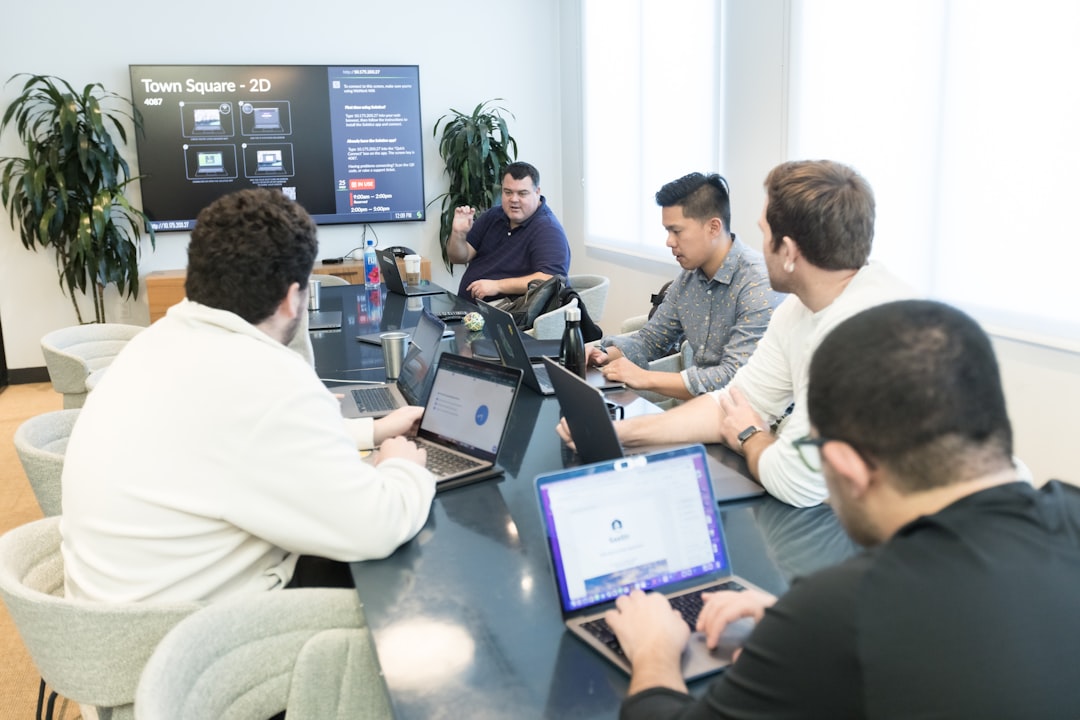
Businesses often turn to staff augmentation when they:
- Experience sudden increases in workload
- Need specialized technical skills
- Face tight deadlines
- Want to accelerate product development
- Encounter hiring freezes but still require technical support
By addressing these challenges quickly, companies can continue delivering value without overburdening their core teams.
Faster Access to Specialized Expertise
One of the most significant advantages of software staff augmentation is immediate access to highly specialized skills. Modern development often requires expertise in niche areas such as artificial intelligence, blockchain, cybersecurity, cloud-native architecture, or DevOps automation. Recruiting full-time experts in these domains can be both time-consuming and expensive.
Through augmentation, businesses can:
- Bring in experienced professionals within days or weeks
- Avoid lengthy recruitment cycles
- Access global talent pools
- Gain knowledge transfer for internal teams
This infusion of expertise strengthens the overall capability of the in-house team while helping them learn new tools, frameworks, and best practices.
Cost Efficiency Without Compromising Quality
Hiring full-time software developers involves significant long-term costs, including salaries, benefits, training, infrastructure, and onboarding expenses. Staff augmentation reduces these financial burdens by allowing organizations to pay only for the skills they need and only for the duration required.
Key cost-related benefits include:
- No long-term salary commitments
- Reduced recruitment expenses
- Lower overhead costs
- Minimal employee benefits liability
Additionally, companies can scale their teams up or down based on project demands. This flexibility ensures resources are allocated efficiently, preventing wasted payroll on underutilized staff.
Enhanced Project Flexibility and Scalability
Software projects often fluctuate in size and complexity. A startup launching a new product may need to double its engineering capacity temporarily, while an enterprise organization might require extra support during digital transformation initiatives.
Staff augmentation supports scalable growth by enabling businesses to:
- Adjust development capacity rapidly
- Respond to market changes effectively
- Meet aggressive delivery timelines
- Reduce burnout among in-house employees
This dynamic scaling capability allows organizations to remain agile in competitive markets where timing is critical.

Improved Team Performance and Knowledge Sharing
When skilled external developers join an existing team, they often bring fresh perspectives and innovative solutions. Their diverse experience across industries and projects contributes to improved problem-solving capabilities.
Strong augmented teams benefit from:
- Cross-functional collaboration
- Exposure to modern methodologies
- Streamlined workflows
- Shared technical knowledge
Rather than simply completing assigned tasks, augmented professionals often elevate the technical standards of the entire development unit. Over time, this collaboration builds stronger and more resilient internal teams.
Maintained Control Over Projects
Unlike traditional outsourcing models, staff augmentation allows companies to maintain managerial authority. External developers follow the organization’s internal processes, reporting structures, and project management methodologies.
This arrangement ensures:
- Alignment with business objectives
- Consistency in coding standards
- Strong communication within the team
- Full transparency in workflows
By maintaining control over daily operations, businesses can protect intellectual property while ensuring project outcomes meet their expectations.
Accelerated Time to Market
In software development, speed often determines competitive advantage. Delays in releasing products can result in lost revenue and diminished market share. Staff augmentation addresses this challenge by allowing businesses to immediately strengthen development capacity.
With more hands on deck:
- Backlogs are cleared faster
- Feature development accelerates
- Bottlenecks are minimized
- Testing and deployment processes improve
As a result, companies can bring innovations to market more rapidly without sacrificing quality.
Reduced Risk and Greater Workforce Stability
Hiring full-time employees during uncertain economic conditions carries considerable risk. Market shifts, funding changes, or evolving business priorities may require workforce adjustments. Staff augmentation minimizes these risks by offering contractual flexibility.
Businesses can scale down after project completion without navigating complex layoffs or severance negotiations. This adaptability promotes financial stability while maintaining workforce productivity.

Access to Global Talent Pools
The global digital landscape has made remote collaboration more seamless than ever. Through staff augmentation, organizations are no longer limited by local talent shortages. They can onboard developers from different regions, benefiting from diverse technical experiences and competitive rates.
Global access enables:
- Broader technological expertise
- Time zone advantages for continuous development
- Diverse cultural perspectives
- Enhanced innovation
This international reach strengthens development teams by introducing varied viewpoints and creative problem-solving approaches.
Building a Long-Term Strategic Advantage
Although staff augmentation is often viewed as a short-term solution, it can contribute to long-term strategic growth. By incorporating external specialists strategically, businesses can:
- Test new technologies before committing to permanent hires
- Pilot innovative projects with minimal risk
- Train internal staff through collaboration
- Expand technical capabilities incrementally
Over time, this approach builds a stronger, more adaptable development infrastructure capable of evolving alongside market trends.
Challenges and How to Overcome Them
Despite its advantages, software staff augmentation requires careful management. Potential challenges include communication barriers, cultural differences, and onboarding inefficiencies. However, these issues can be mitigated through:
- Clear documentation and project guidelines
- Effective onboarding processes
- Regular stand-ups and performance reviews
- Strong leadership and collaboration tools
When managed properly, augmented team members integrate seamlessly, contributing meaningfully to overall success.
Conclusion
Software staff augmentation plays a pivotal role in helping businesses build stronger, more agile development teams. By offering flexible access to specialized expertise, reducing costs, and accelerating delivery timelines, it addresses many of the challenges associated with modern software development.
Through thoughtful implementation and strong management practices, organizations can harness staff augmentation to create high-performing teams capable of driving innovation and sustaining long-term growth. In an industry defined by rapid change, this adaptable workforce model provides the strategic edge many businesses need to remain competitive.
Frequently Asked Questions (FAQ)
- 1. What is the difference between staff augmentation and outsourcing?
Staff augmentation adds external professionals to an existing internal team under the company’s management, while outsourcing typically involves handing off entire projects to a third-party provider. - 2. Is software staff augmentation suitable for small businesses?
Yes, small businesses can benefit from augmentation by accessing specialized skills without committing to long-term full-time hires, making it a cost-effective growth strategy. - 3. How long can an augmented developer stay on a project?
Engagement durations vary depending on project needs. Some contracts last a few months, while others may extend over several years. - 4. Does staff augmentation affect company culture?
When managed properly, augmented staff integrate smoothly and contribute positively. Clear communication and onboarding processes are essential for cultural alignment. - 5. How can businesses ensure quality when using staff augmentation?
Companies can maintain quality by setting clear expectations, conducting regular code reviews, implementing agile practices, and maintaining close collaboration between internal and external team members.