
Travel planning has evolved from manual price comparisons and fragmented bookings into a data-driven process powered by intelligent algorithms. Today’s leading travel booking apps leverage real-time pricing data, predictive analytics, and automated optimization to reduce overall trip costs by as much as 68%. For frequent travelers, corporate teams, and budget-conscious families alike, these platforms are redefining how journeys are planned and paid for.
TLDR: Modern travel booking apps use artificial intelligence, fare prediction models, and dynamic bundling to cut trip costs by up to 68%. They monitor price fluctuations, optimize routes, and package flights, hotels, and ground transport for maximum efficiency. By automating comparison and timing decisions, these platforms outperform traditional booking methods. Choosing the right app depends on travel frequency, flexibility, and trip complexity.
Contents
Why Traditional Booking Methods Fall Short
Historically, booking a trip meant visiting multiple airline websites, comparing hotel rates across platforms, and manually checking for rental car or train deals. Even seasoned travelers struggled to time purchases correctly. Airline prices fluctuate based on demand forecasting, competition, seasonality, and even browsing behavior.
Without algorithmic assistance, travelers typically:
- Book flights too early or too late
- Miss dynamic bundling discounts
- Overpay for hotels during demand spikes
- Fail to optimize routes with multi-city flexibility
- Ignore secondary airports that offer substantial savings
Travel optimization apps solve these problems by analyzing billions of data points in real time.
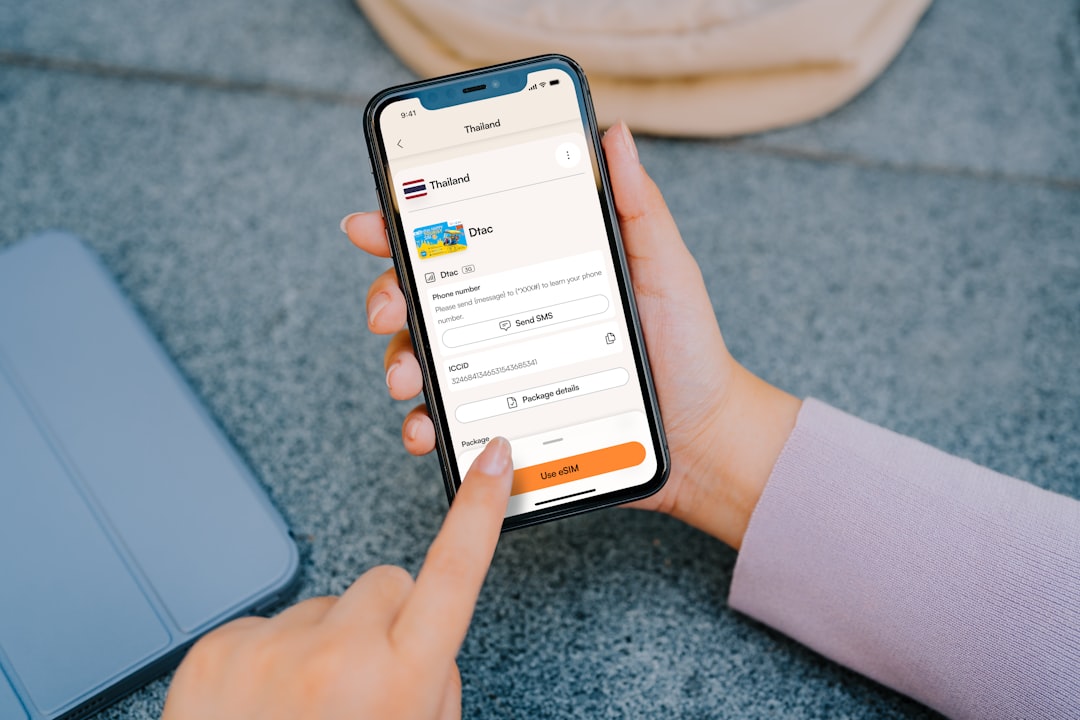
How Travel Apps Achieve Up to 68% Cost Savings
The claim of 68% savings is not simply a marketing exaggeration. Advanced platforms combine multiple cost-reduction mechanisms:
1. Predictive Fare Algorithms
Machine learning models analyze historical pricing trends, seasonal demand, and route popularity to recommend the ideal booking window. Instead of guessing, travelers receive guidance such as:
- Book now
- Wait 5 days
- Prices expected to drop 18%
2. Dynamic Bundling
Apps increasingly bundle flights, hotels, and ground transportation into a single discounted package. Airlines and hotels frequently offer lower rates when sold as part of a bundle, reducing visible headline prices.
3. Route Optimization
Flexible routing options, such as split-ticketing or multi-city planning, often generate substantial savings. For example, booking two one-way flights on different carriers can reduce costs significantly compared to a round-trip fare.
4. Real-Time Alerts
Price tracking systems monitor fare changes 24/7 and instantly notify users when prices drop below target thresholds.
5. Hidden Fee Transparency
Advanced apps calculate total trip cost—including baggage fees, taxes, resort charges, and transfer expenses—preventing costly surprises.
Leading Travel Booking Apps That Optimize Costs
While many platforms claim to offer savings, a handful consistently deliver measurable optimization through automation and analytics.
1. Hopper
Primary Strength: Price prediction accuracy
Hopper uses AI-driven forecasting technology to predict airfare and hotel price changes with high confidence levels. Its color-coded calendar highlights the cheapest travel dates months in advance.
2. Skyscanner
Primary Strength: Flexible search optimization
Skyscanner excels in broad comparison. Its “Everywhere” search function allows travelers to identify the cheapest destinations from their departure airport, opening opportunities for spontaneous and budget-friendly trips.
3. Google Flights
Primary Strength: Speed and route intelligence
Google Flights provides powerful filtering tools, historical price graphs, and multi-airport comparisons. Its algorithm highlights cheaper date combinations within seconds.
4. Kayak
Primary Strength: Meta-search plus bundling
Kayak aggregates results from hundreds of travel sites while offering price forecasts similar to Hopper. It also provides package deals that combine flights and hotels.
5. Expedia
Primary Strength: Discounted bundled packages
Expedia negotiates bulk rates with airlines and hotel chains, delivering steep savings on combined bookings.
Comparison Chart: Top Trip Optimization Apps
| App | Best For | Key Feature | Forecasting | Package Deals | Ideal User Type |
|---|---|---|---|---|---|
| Hopper | Airfare timing | AI price prediction | Advanced | Limited | Flexible travelers |
| Skyscanner | Destination discovery | Flexible search | Moderate | No | Budget explorers |
| Google Flights | Route analysis | Date grid and tracking | Historical trends | No | Data focused planners |
| Kayak | Comprehensive comparison | Price alerts | Moderate | Yes | Comparison shoppers |
| Expedia | Bundled savings | Flight plus hotel discounts | Basic | Strong | Family and group travel |
Where the 68% Savings Typically Come From
The highest documented savings generally occur in complex or flexible travel scenarios:
- Off-peak international routes: Monitoring fare drops over 3–4 months can reduce ticket prices dramatically.
- Bundled vacation packages: Combined bookings often unlock 20–40% lower total cost.
- Secondary airports: Flying into nearby regional hubs may cut airfare by half.
- Flexible departure dates: Adjusting travel by 1–3 days can reduce ticket prices significantly.
When multiple optimization factors overlap, cumulative savings can approach the 68% mark compared to last-minute or unoptimized bookings.
Corporate and Frequent Traveler Advantages
Travel optimization apps are not limited to leisure travelers. Corporate travel departments increasingly integrate automated booking tools to control budgets.
Benefits include:
- Centralized expense tracking
- Automated policy compliance
- Negotiated corporate fares
- Predictive rebooking during delays
- Duty-of-care monitoring
For businesses managing dozens or hundreds of trips per month, these efficiencies compound rapidly.

Limitations and Considerations
Although travel apps are powerful, they are not infallible. Price forecasting remains probabilistic, not certain. Sudden fuel price increases, geopolitical events, or demand surges can alter predictions.
Travelers should remain aware of:
- Refund restrictions
- Dynamic pricing fluctuations
- Baggage policy variations
- Currency exchange fees
- Airport transfer logistics
Additionally, extreme savings often require flexibility. Travelers locked into rigid dates or specific airlines may see smaller optimization gains.
Best Practices for Maximizing Savings
To approach the upper range of possible cost reductions, experts recommend:
- Start monitoring fares at least 3 months in advance
- Enable real-time price alerts across multiple apps
- Consider multi-city routing instead of round trips
- Compare bundled packages against separate bookings
- Be flexible with travel dates and nearby airports
Combining these strategies allows travelers to leverage algorithmic insights rather than relying on guesswork.
The Future of Travel Optimization
Artificial intelligence continues to refine travel planning. Emerging features include:
- Personalized fare predictions based on booking history
- Automated rebooking during price drops
- Carbon footprint optimization alongside cost savings
- Integrated visa and entry requirement alerts
As machine learning models ingest more data, forecasting precision will likely improve. The gap between optimized and non-optimized bookings may widen further, increasing the importance of smart booking tools.
Conclusion
Travel booking apps have matured into sophisticated financial optimization systems. By integrating predictive analytics, dynamic bundling, and real-time monitoring, they offer travelers measurable savings that can reach up to 68% under optimal conditions. Whether for leisure trips, family vacations, or business travel, these platforms provide structured, data-backed guidance that eliminates much of the uncertainty traditionally associated with airfare and accommodation pricing.
For travelers willing to remain flexible and leverage intelligent tools, significant cost reductions are not theoretical—they are increasingly achievable outcomes driven by advanced technology and disciplined booking strategies.