
Putting money into a Roth IRA is one of the most popular ways Americans save for retirement. But a surprisingly common question for 2026 is this: Does money in a Roth IRA have to be invested? Many new investors assume that once they contribute, their money automatically grows. The truth is more nuanced—and understanding it could be the difference between strong long-term growth and disappointing results.
TLDR: Money placed in a Roth IRA does not have to be invested, but if you leave it in cash, it likely won’t grow much. Contributions initially sit in a settlement or cash account until you choose investments. To maximize tax-free growth, you typically need to actively invest in assets like mutual funds, ETFs, or stocks. Leaving funds uninvested could significantly reduce your retirement potential over time.
Let’s break down exactly how Roth IRAs work in 2026, what the rules actually say, and how real-life examples show the impact of investing—or not investing—your money.
Contents
How a Roth IRA Actually Works
A Roth IRA is a tax-advantaged retirement account funded with after-tax dollars. In 2026, the contribution limits remain consistent with recent years (subject to IRS adjustments):
- $7,000 per year if you are under age 50
- $8,000 per year if you are 50 or older (includes catch-up contribution)
The key advantage: your investments grow tax-free, and qualified withdrawals in retirement are also tax-free.
But here’s the critical detail many people miss:
Contributing money to your Roth IRA and investing that money are two separate steps.
What Happens When You Deposit Money?
When you transfer money into your Roth IRA, it typically goes into a settlement fund or cash account. Think of this as a holding area. The brokerage is waiting for you to decide what to buy.
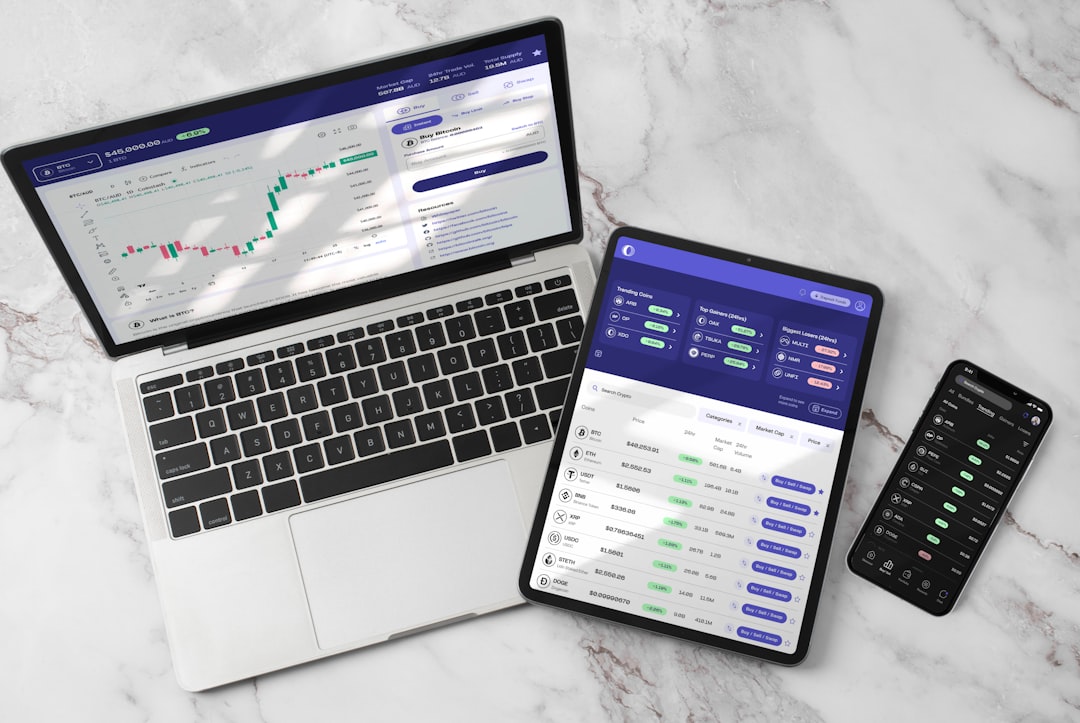
The settlement account might earn a small amount of interest, similar to a savings account, but often much less than long-term investment returns.
The IRS does not require you to invest the money. You are allowed to leave it in cash. However, whether that’s a good idea is another question.
Is There Any Rule That Says You Must Invest?
No. There is no IRS rule in 2026 that says Roth IRA funds must be invested in stocks, bonds, or any other asset.
The IRS rules focus on:
- Contribution limits
- Income eligibility
- Withdrawal timing rules
- Prohibited transactions
They do not tell you how to allocate your money.
However, most financial professionals strongly encourage investing your Roth IRA funds because the entire benefit of the account lies in long-term, tax-free investment growth.
What Happens If You Don’t Invest It?
Let’s look at real numbers to see why this matters.
Example 1: Leaving $7,000 in Cash
Imagine you contribute $7,000 to your Roth IRA in 2026 but never invest it. It stays in cash earning 1% interest.
- After 30 years at 1%, your $7,000 becomes about $9,400.
Now compare that to investing in a diversified stock index fund averaging 7% annually.
- After 30 years at 7%, your $7,000 becomes about $53,000.
That’s a difference of over $43,000—from a single year’s contribution.
Multiply that by 20–30 years of contributions, and the gap becomes enormous.
Why This Confusion Happens
Many first-time savers assume:
- “The IRA company will automatically invest it.”
- “Since it’s a retirement account, it’s already growing.”
- “My advisor probably put it somewhere.”
But at most brokerages, you must manually choose investments unless:
- You select a target-date fund during setup
- You enroll in an automatic investment program
- Your advisor manages the account for you
Otherwise, your contribution simply sits there.
Common Investment Options Inside a Roth IRA
You can invest Roth IRA funds in many types of assets:
- Stocks
- Bonds
- Mutual funds
- Exchange-traded funds (ETFs)
- Target-date retirement funds
- Certificates of deposit (CDs)
- Money market funds
Here’s a simplified comparison of common investment types:
| Investment Type | Risk Level | Growth Potential | Best For |
|---|---|---|---|
| Cash / Money Market | Very Low | Very Low | Short-term stability |
| Bonds | Low to Moderate | Moderate | Income and stability |
| Index Funds | Moderate | High | Long-term growth |
| Individual Stocks | Moderate to High | High | Aggressive investors |
| Target-Date Funds | Moderate | Moderate to High | Hands-off investors |

When Might You Choose Not to Invest?
There are a few situations where holding cash temporarily may make sense:
- You plan to invest soon but are researching options.
- You are waiting for market volatility to settle (though timing the market is risky).
- You are close to retirement and reducing risk.
- You accidentally forgot to invest the funds.
However, keeping retirement money in cash for decades is generally not aligned with long-term wealth-building goals.
Real-Life Scenario: The “Oops” Investor
Consider Maria, age 28. She contributed $6,500 annually to her Roth IRA from 2018 to 2023. In 2024, she logged in and realized the money had been sitting in cash the entire time.
- Total contributions: $32,500
- Total growth at 0.5% average: roughly $800
If she had invested in a simple S&P 500 index fund averaging around 8% over that period:
- Estimated account value: over $40,000
She unintentionally missed out on nearly $7,000 in growth.
This kind of mistake is more common than people think.
The Power of Investing Early in a Roth IRA
The Roth IRA’s superpower is compounding, completely tax-free.
Because you pay taxes upfront, you never pay taxes again on:
- Dividends
- Capital gains
- Interest
- Qualified withdrawals in retirement
But none of that matters if your money isn’t invested and generating returns.
Step-by-Step: How to Invest Your Roth IRA in 2026
If you’ve already contributed but haven’t invested, here’s what to do:
- Log into your brokerage account.
- Check your cash balance or settlement fund amount.
- Select “Trade” or “Buy.”
- Choose your investment (e.g., ETF, mutual fund).
- Enter the dollar amount to invest.
- Confirm the order.
If you prefer simplicity, many investors choose a target-date retirement fund, which automatically adjusts risk over time.
Does Age Matter?
Yes, your age heavily influences whether you should prioritize growth or stability.
- In your 20s or 30s: Higher allocation to stocks for growth is common.
- In your 40s or 50s: Balanced mix of stocks and bonds.
- In your 60s: More focus on preservation and income.
But even near retirement, keeping everything in cash may not keep up with inflation.
What About Required Minimum Distributions?
Another reason investing matters: Roth IRAs have no required minimum distributions (RMDs) during your lifetime.
This makes them powerful estate planning tools. If invested properly, the account can keep growing tax-free for decades—even after traditional retirement age.
Bottom Line: Is Investing Required?
Legally? No.
Financially wise for long-term retirement growth? Almost always, yes.
A Roth IRA is like fertile soil. Simply placing seeds (money) into the soil doesn’t guarantee a harvest. The seeds must be planted and nurtured through investments to truly grow.
If you’ve contributed to your Roth IRA in 2026, take a few minutes to log in and confirm your money is working for you. A small action today could mean tens—or even hundreds—of thousands of dollars more in tax-free retirement income.
The real question isn’t whether you have to invest your Roth IRA money. It’s whether you can afford not to.