As digital experiences grow more complex, businesses are rethinking how they capture, analyze, and act on user behavior data. FullStory has long been a popular choice for session replay and behavioral analytics, but evolving privacy standards, pricing shifts, scalability needs, and feature demands are prompting many organizations to explore alternatives. Today’s market offers powerful platforms that go beyond simple session recordings to provide advanced analytics, product intelligence, and customer journey optimization.
TLDR: Many businesses are replacing FullStory with alternative platforms that offer better pricing, stronger privacy controls, deeper analytics, or improved integrations. Popular replacements include Hotjar, Heap, Amplitude, Microsoft Clarity, Smartlook, and Mixpanel. Each solution varies in strengths such as session replay, product analytics, AI insights, and enterprise scalability. Choosing the right alternative depends on your company’s size, compliance requirements, and analytics maturity.
Contents
Why Businesses Move Away from FullStory
FullStory remains a robust platform, but companies often transition to other tools for several reasons:
- Pricing scalability: As user traffic increases, costs can rise significantly.
- Privacy compliance: GDPR and CCPA requirements push businesses to seek more granular data controls.
- Deeper product analytics: Some teams require event-based tracking beyond session replay.
- Customization: Companies often want flexible dashboards tailored to product and marketing teams.
- Integration flexibility: Modern tech stacks demand broader native integrations.
Replacing FullStory is rarely about eliminating session replay — it’s about expanding analytical sophistication.

Top Platforms Businesses Choose Instead
1. Hotjar
Best for qualitative feedback and heatmaps.
Hotjar is frequently selected by marketing and UX teams who want visually intuitive insights. Unlike FullStory’s heavy emphasis on session replay analysis, Hotjar leans into:
- Heatmaps (click, move, scroll)
- Session recordings
- User feedback polls
- On-site surveys
- Conversion funnels
Hotjar appeals to smaller and mid-sized businesses thanks to more accessible pricing tiers and simple implementation. It’s particularly valuable for conversion rate optimization (CRO).
2. Microsoft Clarity
Best free alternative with strong replay tools.
One of the most significant disruptors in the user insight space is Microsoft Clarity. Offering unlimited session recordings and heatmaps at no cost, it’s attractive to startups and cost-conscious enterprises alike.
Its standout features include:
- AI-driven anomaly detection
- Rage click and dead click identification
- Seamless integration with Google Analytics
- Lightweight performance footprint
While it lacks some advanced segmentation features found in enterprise tools, Clarity’s zero-cost model makes it a compelling replacement for FullStory — especially for high-traffic sites.
3. Heap
Best for automatic event tracking.
Heap shifts the focus from replay-based analytics to automatic data capture. Instead of manually tagging events, Heap records every interaction by default, enabling retroactive analysis.
This makes it ideal for:
- Product teams
- SaaS companies
- Growth marketers
- Data-driven enterprises
Businesses replacing FullStory with Heap often seek stronger behavioral segmentation and advanced funnel analytics rather than purely visual playback.
4. Amplitude
Best for advanced product intelligence.
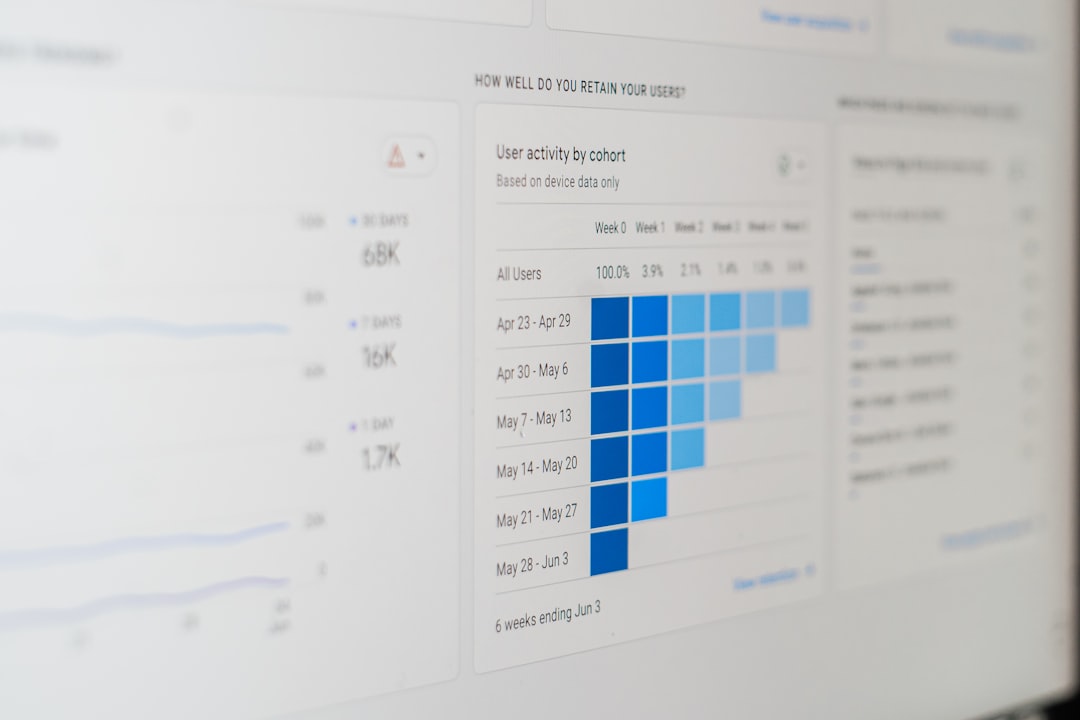
Amplitude is a powerful product analytics platform built for deep behavioral insights. Companies that outgrow session replay often move to Amplitude for predictive analytics and cohort analysis.
Core capabilities include:
- Advanced user segmentation
- Cohort retention tracking
- Behavioral path analysis
- Predictive insights powered by machine learning
Amplitude is less focused on visual session playback and more on answering strategic product questions like “What behaviors drive long-term retention?”
5. Smartlook
Best hybrid platform for mobile and web.
Smartlook combines qualitative and quantitative analytics. It supports both mobile app and website tracking — something increasingly important for omnichannel businesses.
Key benefits include:
- Session replay for mobile and web
- Event-based analytics
- Conversion funnel tracking
- Crash reporting for apps
For companies with mobile-first strategies, Smartlook often becomes a strong FullStory substitute.
6. Mixpanel
Best for event-driven analytics at scale.
Mixpanel specializes in granular event tracking and customer journey analysis. Unlike traditional replay-focused platforms, Mixpanel emphasizes metrics-driven decision-making.
Organizations often replace FullStory with Mixpanel when they need:
- Custom event tracking
- Behavioral cohorts
- A/B testing insights
- Revenue attribution analysis
For high-growth startups and enterprise SaaS platforms, Mixpanel delivers the analytical depth FullStory users sometimes crave.
Comparison Chart: FullStory Alternatives
| Platform | Best For | Session Replay | Event Analytics | Heatmaps | Free Plan |
|---|---|---|---|---|---|
| Hotjar | UX & CRO teams | Yes | Basic | Yes | Yes |
| Microsoft Clarity | Budget-conscious teams | Yes (Unlimited) | Limited | Yes | Yes (Free) |
| Heap | Automatic event tracking | Limited | Advanced | No | Limited Free |
| Amplitude | Product intelligence | No | Advanced | No | Starter Plan |
| Smartlook | Mobile & Web teams | Yes | Moderate | Yes | Yes |
| Mixpanel | Event-driven growth | No | Advanced | No | Yes |
Key Factors to Consider When Switching
Replacing FullStory isn’t just about matching features — it’s about aligning your analytics stack with your business strategy.
1. Data Privacy & Compliance
With stricter global regulations, companies must ensure platforms offer:
- Data masking capabilities
- Consent management integrations
- Regional data hosting options
- Comprehensive access controls
Some alternatives provide more customizable privacy controls than FullStory, particularly for global enterprises.
2. Scalability
If your traffic is growing rapidly, pricing models become critical. Some platforms charge by sessions, others by events, and some by monthly tracked users.
Understanding your projected growth can prevent sudden budget overruns.
3. Analytics Depth vs Visual Simplicity
If your primary need is visual UX debugging, replay-focused tools like Clarity or Smartlook may suffice. However, if leadership teams require strategic behavioral forecasting, platforms like Amplitude or Mixpanel will provide greater long-term value.

4. Integration Ecosystem
Modern businesses rely on interconnected systems. Look for integrations with:
- CRM platforms
- Email marketing tools
- Data warehouses
- Experimentation and A/B testing platforms
- Customer support tools
The broader the ecosystem, the more actionable your insights become.
The Shift from Replay to Product Intelligence
A notable trend among businesses replacing FullStory is the shift from reactive debugging to proactive optimization. Session replay tools are invaluable for identifying friction points, but they often answer “what happened” rather than “why it happened” or “what drives growth.”
Modern product analytics platforms combine:
- Behavioral segmentation
- Predictive modeling
- Real-time dashboards
- Automated engagement triggers
Instead of watching individual sessions, teams increasingly monitor behavioral cohorts and conversion pathways at scale.
Which Replacement Is Right for You?
The ideal FullStory alternative depends on your team’s priorities:
- Startup or small business? Microsoft Clarity or Hotjar offer affordability and ease of use.
- SaaS growth stage? Heap or Mixpanel provide powerful event tracking.
- Enterprise-scale product? Amplitude delivers predictive intelligence.
- Mobile-first brand? Smartlook bridges app and web analytics.
Ultimately, no single tool universally replaces FullStory — businesses select platforms that align with their maturity, regulatory needs, and data sophistication.
Final Thoughts
As digital experiences evolve, so do user insight platforms. FullStory remains influential, but companies are increasingly blending qualitative UX tools with quantitative product analytics solutions. The move signals a broader transformation: user behavior analytics is no longer just about replaying sessions — it’s about leveraging behavioral data to drive retention, engagement, and revenue growth.
Before making a switch, organizations should conduct pilot tests, evaluate integration requirements, and assess long-term scalability. The most successful transitions happen when businesses align their analytics platform not just with current needs, but future ambitions.
In today’s competitive landscape, understanding users isn’t optional — it’s strategic infrastructure. And the right platform can turn raw behavior data into actionable growth insights.