
In cities across the globe, the vibrancy of urban life is often reflected on the very walls that house it. What was once considered vandalism has evolved into an expressive art form that captivates, challenges, and transforms public spaces. Street art—ranging from sprawling murals to subtle stencils—has redefined the visual identity of cities, becoming a central piece of contemporary urban culture. As we dive into the evolution and significance of this movement, we’ll explore how it has shaped communities, reflected social narratives, and mirrored larger cultural trends worldwide.
Contents
TL;DR — Street Art as a Global Cultural Movement
Street art has transformed from graffiti and protest scribbles to a globally recognized form of visual storytelling and culture. Artists worldwide are using public spaces to challenge tradition, celebrate communities, and reflect social issues. This movement not only revitalizes urban landscapes but also bridges generational and cultural gaps. As cities embrace this dynamic form of expression, street art continues to evolve into an integral part of urban identity.
The Roots and Evolution of Street Art
Street art’s origins can be traced back to graffiti in the 1960s and 70s, particularly in New York City, where it began as a form of protest and self-identification. Over time, it evolved beyond mere “tagging” into complex expressions involving mixed media, installations, and political commentary.
The following key stages define the transformation of street art:
- Graffiti Roots (1960s–1980s): Originated from urban youth, often linked with hip-hop culture and rebellion against authority.
- Muralist Movement (1990s–2000s): Artists began creating elaborate, large-scale works legitimized by local communities and city governments.
- Modern Street Art (2000s–Present): Includes a wide spectrum of styles and techniques: stencils, wheat-pasting, stickers, 3D installations, and augmented reality (AR) art.
Notable artists like Banksy, Shepard Fairey, and JR have pushed boundaries and gained international fame, reshaping the perception of street art from taboo to respectable contemporary art.
Global Street Art Hotspots
Not all street art scenes are created equal. Some cities have emerged as global beacons for urban art, each offering a unique visual and cultural palette. Below are a few standout destinations:
- Berlin, Germany: Home to the famous East Side Gallery, a stretch of the Berlin Wall covered in murals, symbolizing freedom and resistance.
- São Paulo, Brazil: Known for its vivid, large-scale murals and spontaneous graffiti across buildings—especially in the neighborhood of Vila Madalena.
- Melbourne, Australia: Hosier Lane is a legal street art gallery that invites artists to express freely on building facades.
- New York City, USA: The birthplace of modern graffiti, NYC still thrives with street art in boroughs like Brooklyn and the Bronx.
- Cape Town, South Africa: Artists use murals to address post-apartheid narratives, community upliftment, and social justice.
Street Art as a Voice of Social Change
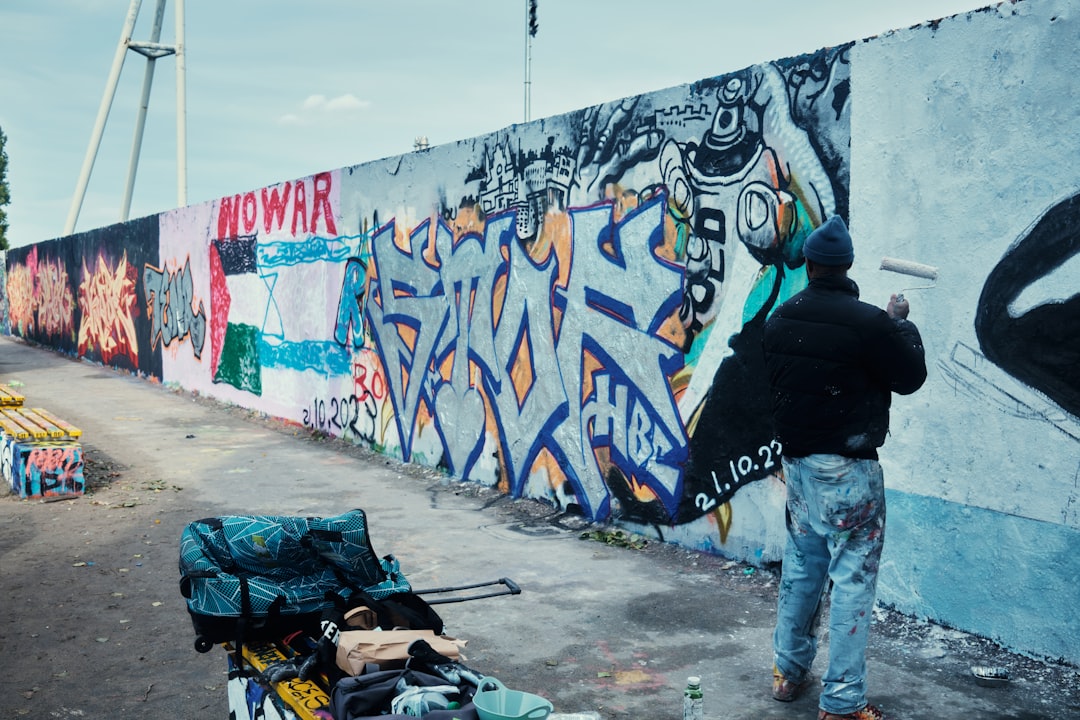
At its core, street art is more than aesthetics—it’s often a form of protest or a voice for the marginalized. In turbulent times, artists turn to public spaces to amplify messages that may otherwise go unheard. From calls for political change in the Middle East during the Arab Spring to Black Lives Matter murals in cities across the United States, street art becomes a mirror of the socio-political climate.
Three ways street art sparks social dialogue:
- Raising Awareness: Artists highlight issues like climate change, inequality, and corruption through powerful public imagery.
- Building Community: Murals often reflect local culture, creating shared identity and pride among residents.
- Reclaiming Public Space: In areas where public resources are limited or neglected, street art asserts cultural relevance and community presence.
Technology Meets the Wall: Digital Trends in Street Art
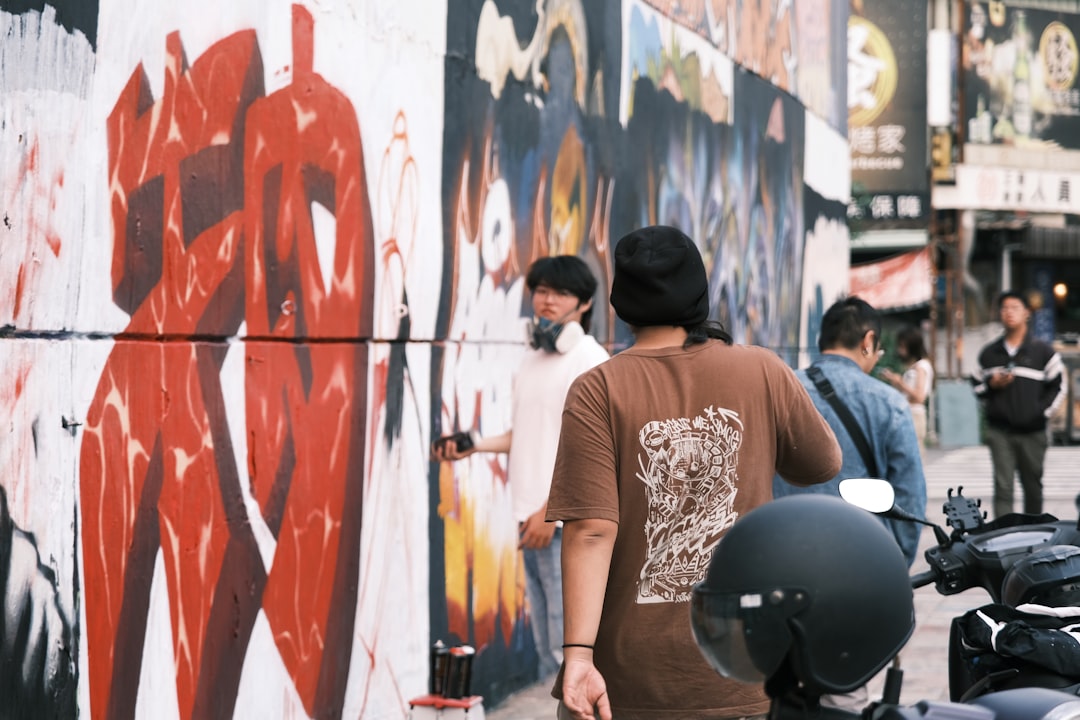
As technology becomes more entwined with everyday life, it’s also making its mark on the streets. Artists are integrating digital tools to enhance visibility and interaction:
- Augmented Reality Art: Apps now allow viewers to view animations or layered content on murals via smartphone screens.
- Projection Art: Temporary visuals that are projected onto buildings to communicate messages or create dynamic shows.
- Street Art Mapping: Online platforms like Google Arts & Culture have started archiving and mapping notable street artworks globally.
This fusion of real and digital is redefining how audiences engage with public art, offering immersive experiences far beyond the static wall.
Street Art Festivals and Tourism
City governments and tourism boards are increasingly recognizing the economic and cultural value of street art. Cities once quick to remove graffiti are now commissioning large-scale murals or hosting urban art festivals that attract global talent and tourism. Some noteworthy events include:
- Upfest (Bristol, UK): Europe’s largest street art festival, held in the hometown of Banksy.
- Wynwood Walls (Miami, USA): A permanent outdoor mural exhibition that draws millions of visitors annually.
- Pow! Wow! Festival (Worldwide): Originating in Hawaii, it now takes place in cities worldwide, celebrating contemporary culture through urban art.
Tours dedicated solely to street art have also emerged, with local guides offering insights into the origins, techniques, and meanings behind the artworks adorning their cities.
Challenges and Controversies
Despite its growing acceptance, street art continues to face challenges:
- Gentrification: Murals can inadvertently lead to increased property value, pushing out the original inhabitants whose stories the art once told.
- Defining Ownership: Public art often sparks debate over who has the right to create and erase it—artists, governments, or property owners?
- Commodification: Street art’s popularity has made it commercially viable, sometimes diluting its authenticity when appropriated by advertisers and brands.
These tensions suggest that while street art has moved into the mainstream, it retains its rebellious edge—a delicate balance that continues to evolve with the urban landscape.
The Future of Street Art in a Globalized World
As cities become more interconnected, urban culture is spreading faster than ever before. International collaborations among street artists are more common, and social media platforms like Instagram have turned once-local art into global sensations. Yet, the heart of street art remains deeply tied to place. The message, the wall, and the community that interact with it are what breathe life into the piece.
Moving beyond the brick, the future of street art lies in its flexibility—its ability to adapt to new media, cultures, and purposes while staying grounded in authenticity and the human urge to express. Whether it’s a political message in Santiago or a playful illustration in Tokyo, street art will continue to be a pillar of urban storytelling that speaks with color, passion, and purpose.
Conclusion
Street art is no longer the fringe activity it once was. From its rebellious roots to its role as an urban cultural cornerstone, it captures the pulse of cities in motion. As we navigate an era of rapid urbanization and digital evolution, the walls around us are becoming more than just structural—they’re canvases for voices across the globe. Beyond the brick, the future of urban expression is not only painted; it’s projected, scanned, and shared—proof that art truly lives wherever people do.