In the world of design and illustration, linework plays a critical role in shaping visuals, communicating ideas, and conveying emotion. While straight lines and smooth curves may be the building blocks of many compositions, it’s the subtleties—like texture, pressure, and irregularity—that can add depth and character. Among these nuanced graphic tools is what illustrators refer to as a “hairy line.”
TL;DR: The term “hairy line” in design and illustration describes a line made up of multiple thin, sketchy, or overlapping strokes, rather than one clean, continuous line. It gives a piece a more organic, human, or draft-like quality. Artists often use hairy lines during the sketching phase or as a stylistic choice in finalized artwork. While some see them as a sign of indecision, others embrace them for their expressive capabilities and visual texture.
Contents
What is a Hairy Line?
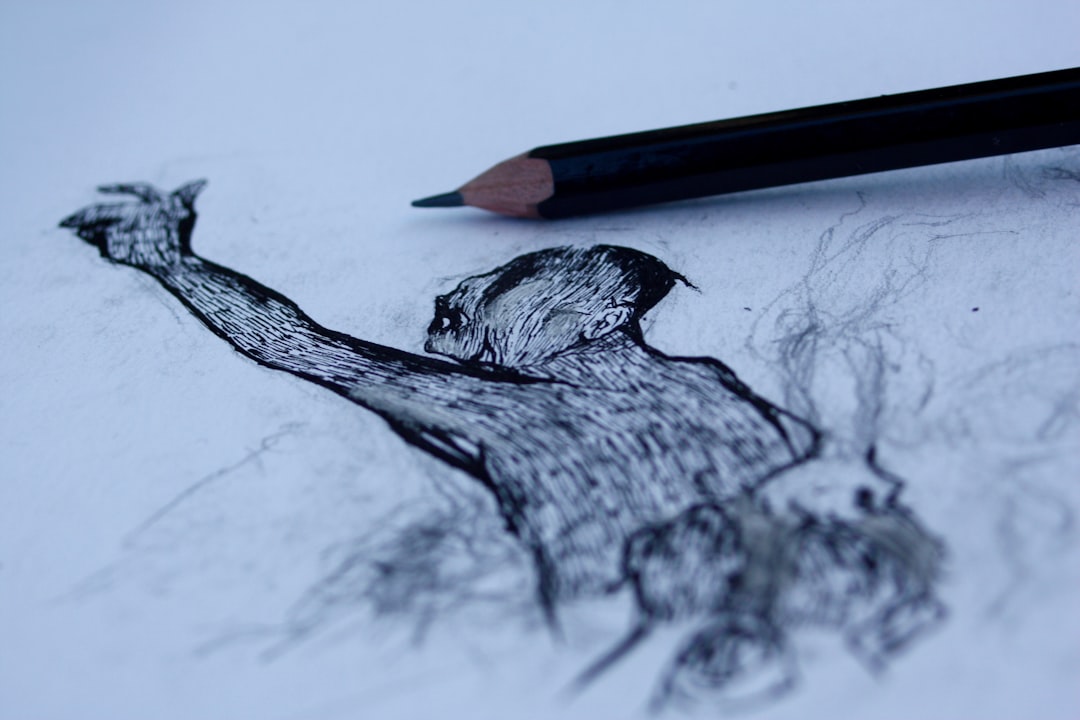
A hairy line is a term commonly used in art and illustration to describe a type of sketching or linework where a single line isn’t drawn cleanly or confidently in one stroke. Instead, the line is made up of multiple, overlapping or broken strokes that result in a fuzzy or textured appearance—thus giving the impression of being “hairy.”
This kind of line can show up in early concept sketches, rough drafts, or even in stylistic finished works. The term is not necessarily negative, though in some academic circles, particularly in life drawing classes, students might be discouraged from relying on this technique, being taught instead to “draw with confidence.”
Origins and Use in Art Education
The concept of a hairy line has long been tied to traditional teaching in figure drawing and industrial design. In many foundational drawing classes, students are taught to avoid hairy lines. They are instead encouraged to use clean, confident, and deliberate strokes. The reason? Teachers often associate clean lines with clarity of visual communication and a solid understanding of form.
However, hairy lines frequently appear in beginner and exploratory work. They’re an artifact of the mind searching for the right form or a way to capture motion or shape. As such, their presence communicates process and exploration.
Hairy Lines as a Stylistic Element
Beyond the student sketchbook or rough draft, hairy lines are not always just intermediary artifacts. Many professional and established artists use them as a form of personal expression. In comic book illustrations, character design sheets, and concept art, hairy lines can lend a textured, kinetic energy to a piece, making the artwork feel alive rather than overly mechanical.
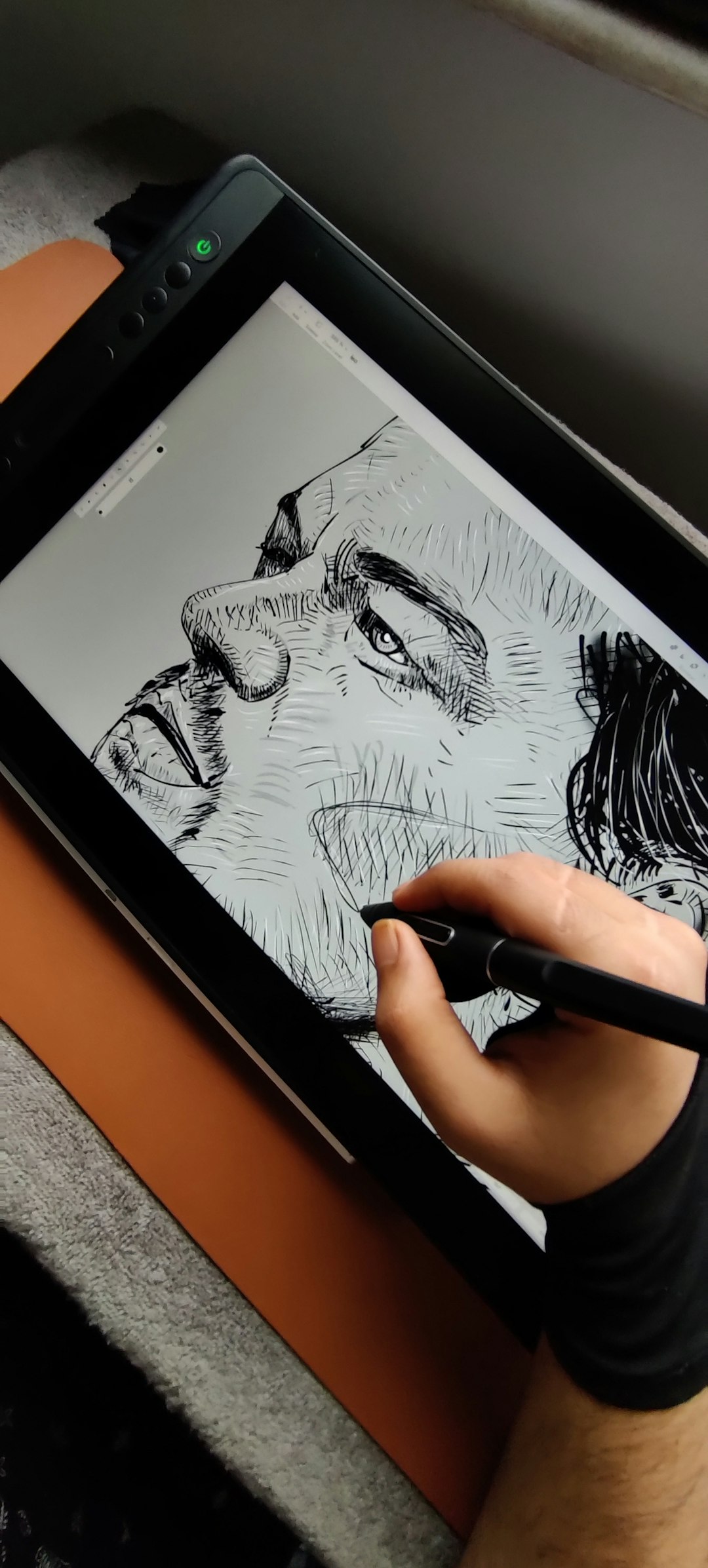
In the world of digital illustration, some artists deliberately use brushes that mimic the look of pencils or pens with a hairy line effect. These brushes simulate the slight imperfections and textural richness that reduce the overly sterile look of vector illustrations or overly smooth digital work.
When and Why Designers Use Hairy Lines
Hairy lines often make appearances during the initial sketch phase of design. Artists may use them:
- To quickly jot down ideas before refining the concept.
- To visually “feel out” a shape or silhouette.
- To infuse character and warmth into a draft or concept art.
- As a stylistic feature in finished illustrations, especially in hand-drawn animation, children’s book illustrations, or editorial art.
Furthermore, hairy lines can visually suggest motion or instability, which can be useful when the subject of the artwork is in motion—or when the designer intents to evoke a sketchy, raw, energetic feel.
Digital vs Traditional: Is There a Difference?
In traditional media, hairy lines result from hesitation or the tactile behavior of the drawing tool. A pencil’s soft graphite or a pen slowly breaking in can naturally create slightly uneven lines composed of varying strokes. Traditionally, hairy lines are often refined and cleaned up in later stages of a drawing process or are inked over with a single deliberate line.
In digital media, the same effect can be artificially replicated with textured brushes or by intentionally overlaying strokes, much like one would in a traditional sketchbook. Some drawing programs even have “stabilizer” features turned off on purpose to encourage more human-looking lines.
The Psychological Impact of Hairy Lines
The texture and irregularity of a hairy line can evoke different emotional reactions. While clean, vector-perfect lines are associated with professionalism and precision, hairy lines might convey:
- Humanity: Imperfect and organic, they represent the human hand at work.
- Emotion: The tension of decision, thought, or urgency behind each mark.
- Storytelling: The idea that the line tells a story of its creation, not just the subject.
These characteristics make them particularly popular in editorial illustrations, expressive character design, and illustrated storytelling media, where emotion and personality matter more than precision.
Best Practices for Using Hairy Lines
For those who want to make intentional use of hairy lines in their art, here are a few best practices:
- Use them with purpose: Hairy lines can enhance texture and emotion, but overuse can overwhelm the viewer or muddle clarity.
- Balance with clean forms: Mixing hairy lines with refined edges or shapes helps draw attention to the contrast and keeps the visual from becoming too busy.
- Consider the medium: In print, pencil-texture lines may appear different than on screen. Test how your lines reproduce.
- Use appropriate brushes: In digital platforms, experiment with custom brush settings to emulate natural stroke variation.
Ultimately, like any art technique, the strength of the hairy line lies in the intention behind its use. Whether it’s showing the mental journey behind a concept or adding intimacy to a portrait, when used thoughtfully, hairy lines become a powerful design vehicle.
FAQ: Hairy Lines in Design and Illustration
Q: Is using hairy lines a sign of poor drawing skills?
A: Not necessarily. While it can indicate a lack of confidence in some cases, many accomplished artists use hairy lines to explore form or convey mood. It can also be a stylistic choice.
Q: Should beginners avoid hairy lines?
A: Beginners are encouraged to develop confidence with clean lines, but they shouldn’t fear using hairy lines during initial sketches. It often helps in understanding shapes and fluidity.
Q: Can hairy lines be used in vector illustration?
A: Yes, though vector programs focus on clean lines, many allow brushes or plugins that simulate the effect of hairy lines with varying stroke patterns and textures.
Q: Why is it called a “hairy” line?
A: The term comes from the visual texture created by overlapping or broken strokes, which gives the line a soft, fuzzy, or ‘hairy’ appearance.
Q: Are hairy lines accepted in professional work?
A: Absolutely. Many artists, especially in comics, animation, and editorial illustration, incorporate hairy lines as part of their unique visual language.
Q: How can I clean up hairy lines in digital art?
A: Use vector layers, line stabilization settings, or inking layers to trace over initial sketches and create final clean versions of your designs.