Shein is everywhere. From TikTok hauls to fashion blogs, it’s become one of the most talked-about online clothing stores. But recently, there’s been buzz that Shein might be banned. People are sharing posts, tagging news outlets, and wondering: Is it true or just another social media rumor?
Contents
TL;DR (Too Long; Didn’t Read)
Yes, Shein is facing a lot of scrutiny, but no, it hasn’t been banned. Governments are looking into various issues, but nothing’s official yet. Investigations are mostly about labor practices, environmental concerns, and data privacy. Right now, Shein is still up and running.
Why Are People Talking About a Ban?
Shein has exploded in popularity. Its cheap, trendy clothes are shipped worldwide. But with big success comes bigger questions. Several countries are now investigating how Shein operates. That’s what sparked the ban rumors.
Let’s break down the main reasons behind this storm of headlines.
1. Labor Practices Under Fire
One of the biggest issues is how Shein makes its clothes. Reports from investigative journalists and watchdogs suggest the company may use sweatshops. Workers allegedly face:
- Long hours (sometimes over 75 per week)
- Very little pay
- Unsafe and unhealthy conditions
This has raised red flags with lawmakers in the U.S. and elsewhere. The concern? That Shein is violating international labor standards.
2. Connections to China: A Political Hot Potato
Shein is based in China. That, by itself, isn’t a problem. But in recent years, tensions between Western countries and China have grown. Governments are more cautious than ever about where their products come from and who is behind them.
The biggest concern here is something called the Uyghur Forced Labor Prevention Act (UFLPA) in the United States. It bans products made with forced labor—specifically from the Xinjiang region in China.
Some lawmakers suspect Shein may have ties to factories in that area, although the company denies it. Whether those claims are true or not, they’ve made politicians pay close attention.
3. Environmental Questions
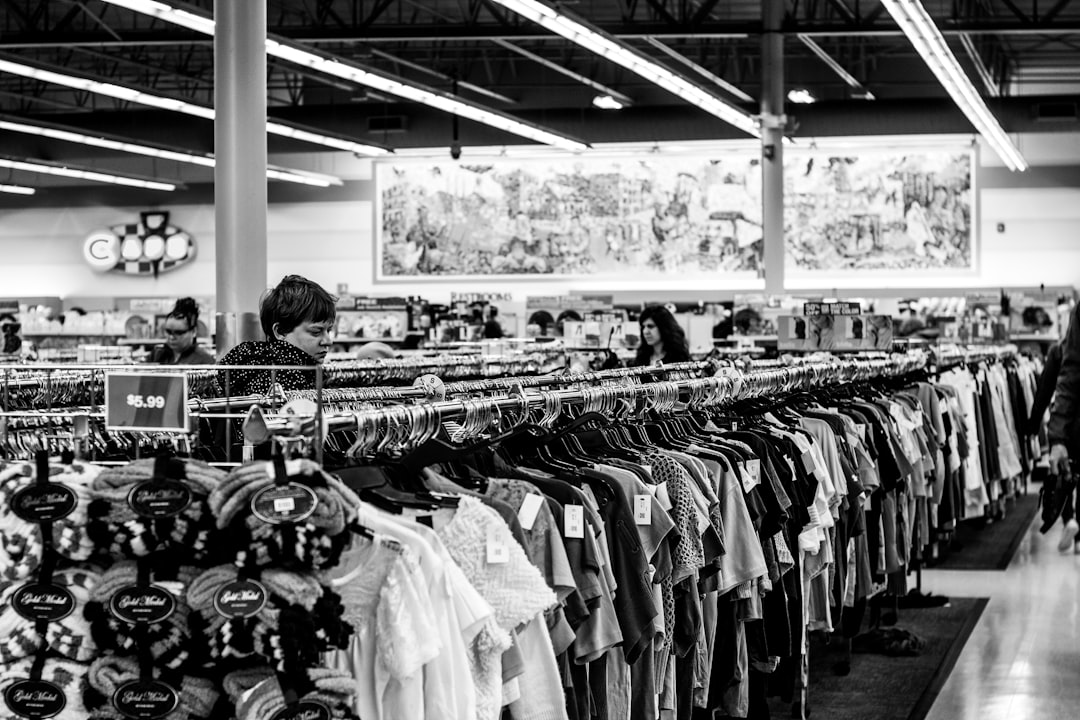
Fast fashion creates a lot of waste. Shein, known for selling T-shirts for as little as $3, produces thousands of new items a day. Critics say it’s pushing a throwaway culture.
- Tons of clothing ends up in landfills
- Manufacturing emits pollution
- Fabrics used are often non-biodegradable
Environmental activists are calling for more transparency—and urging governments to step in.
4. Data Privacy Concerns
In our digital age, data is everything. Shein collects user data to give personalized recommendations and advertisements. But some watchdogs worry that data could be misused or even shared with the Chinese government.
Although there’s no public proof that Shein has misused data, being a Chinese-owned company puts it under scrutiny—especially in the U.S. and parts of Europe where digital privacy laws are strict.
So… Is Shein Actually Getting Banned?
Not yet. That’s the short answer. Here’s a breakdown of what’s really happening:
- Investigations: The U.S. Congress has asked for more information. Some lawmakers want Shein to be audited under the UFLPA.
- Criticism: Brands, labor groups, and eco-activists have called out Shein publicly.
- No Legal Ban: As of now, no country has fully banned Shein.
So while there’s a lot of noise, the platform is still active. You can still order from it, and people are still getting their packages.
How Is Shein Responding?
Shein has taken steps to improve its image:
- They’ve opened up about some of their factory audits
- Launched a resale platform to address waste concerns
- Claimed they do not use forced labor and comply with local laws
It also plans to go public on the stock market, which means more transparency will be required. That might help ease worries—or bring more issues to light.
What Could Lead to a Ban in the Future?
Even if Shein isn’t banned now, certain things could trigger it:
- Proof of violating labor laws: If authorities find real evidence, especially links to forced labor, that could lead to import restrictions.
- Data misuse: If they mishandle user data, countries like the U.S. or those in the EU might take action.
- Political pressure: As more people push governments to act, lawmakers might introduce new taxes or bans.
But remember — a full-on ban is rare and would involve a long legal process.
What About Other Fast Fashion Brands?
Shein isn’t alone. Other fast fashion brands like PrettyLittleThing, Fashion Nova, and Zara have also been criticized. The industry is facing big changes. People want affordable clothes but also want fair treatment of workers and a healthier planet.
This puts pressure on all fashion brands to do better. Not just Shein.
What Can You Do as a Shopper?
If you want to shop consciously but still love fashion, here are some options:
- Research brands: Find out who makes your clothes.
- Buy less, wear more: Choose pieces you can wear again and again.
- Try secondhand shopping: Thrift stores are full of treasures.
- Support small and local brands: Many focus on ethical practices and quality.
You don’t have to quit shopping to make a difference. Small changes help.
Final Thoughts: Facts Over Fear
Yes, Shein is under fire. Governments are digging into how it makes and sells its clothes. But don’t believe every tweet or TikTok video. Shein is not banned right now.
If you care about the rumors, do your own research. Look at trusted news sources. Watch for updates from government officials, not just viral videos.
And remember—to change the fashion industry, we all have a role to play.
Fashion changes fast, but doing the right thing never goes out of style.