Expanding into global markets requires more than simply translating a slogan or product description. Successful multilingual marketing campaigns depend on cultural nuance, consistent brand messaging, and scalable workflows that support multiple languages across platforms. Businesses today have access to a wide range of translation tools and services designed to streamline these efforts while maintaining quality and efficiency.
TLDR: Multilingual marketing campaigns require a mix of automation, human expertise, and workflow management tools. From AI-powered platforms like DeepL and Google Translate to professional services such as Smartling and TransPerfect, each option serves different business needs. The best results often come from combining machine translation with human review. Choosing the right solution depends on budget, scalability, integration capabilities, and quality expectations.
Below are seven leading translation tools and services that help brands execute effective international marketing strategies.
Contents
1. Google Translate
Google Translate remains one of the most widely used translation tools worldwide. Supporting over 130 languages, it provides quick, AI-powered translations for websites, documents, and marketing copy.
Best for: Quick drafts, informal localization, and broad language coverage.
- API integration for websites and apps
- Real-time translation capabilities
- Free basic version
While it is highly accessible and convenient, Google Translate may lack contextual accuracy for culturally sensitive campaigns. For marketing content that requires emotional appeal and brand voice consistency, human editing is strongly recommended.
2. DeepL
DeepL is known for delivering high-quality neural machine translations with impressive fluency, particularly for European languages. Many marketers find its output more natural compared to other automated tools.
- Advanced AI language processing
- Tone adjustment (formal vs informal)
- Secure data handling options for enterprises
It is especially useful for brands that need polished drafts before human review. However, its language selection is not as extensive as some competitors.
3. Smartling
Smartling is a cloud-based translation management system (TMS) built specifically for businesses operating at scale. It combines automation, workflow management, and professional linguists.
Best for: Enterprise-level multilingual campaigns.
- Automated content routing
- Integration with CMS platforms
- Translation memory tools
- Real-time project tracking
Smartling allows marketing teams to manage website localization, email campaigns, and product descriptions in one centralized platform. Its analytics and reporting features help ensure consistency while reducing long-term costs through translation memory reuse.
4. TransPerfect
TransPerfect provides full-service language solutions, combining technology with professional human translators. It caters to global brands requiring localization across digital and traditional media channels.
- Marketing transcreation services
- Multimedia localization (video, voiceover, subtitles)
- Industry-specific expertise
Unlike automated tools, TransPerfect emphasizes cultural adaptation. This makes it particularly valuable for slogan development, global brand launches, and region-specific campaigns.
5. SDL (RWS)
RWS (formerly SDL) offers enterprise-grade translation management solutions. It is widely used by corporations with ongoing multilingual content needs.
- AI-enhanced translation tools
- Terminology management systems
- Global localization consulting
RWS stands out for its ability to maintain brand terminology consistency across markets. It helps marketing teams create glossaries that ensure messaging remains aligned globally.
6. Lokalise
Lokalise focuses on agile teams and digital product localization. It integrates with development and marketing workflows to help companies release multilingual updates quickly.
- App and software localization
- Collaborative editing features
- API-driven automation
For companies running multilingual mobile apps or SaaS products, Lokalise provides real-time collaboration between developers, marketers, and translators.
7. Lionbridge
Lionbridge combines AI technology with a global network of professional linguists. It is recognized for handling large-scale enterprise marketing campaigns.
- Transcreation for branding campaigns
- AI-powered workflow optimization
- Localization testing services
Lionbridge is particularly useful for businesses entering multiple international markets simultaneously, offering end-to-end support from linguistic validation to cultural consulting.
Comparison Chart of Translation Tools and Services
| Tool/Service | Best For | Human Translators | Automation Level | Scalability |
|---|---|---|---|---|
| Google Translate | Quick, basic translations | No | High | High |
| DeepL | High-quality AI drafts | No | High | Medium |
| Smartling | Enterprise campaigns | Yes | High | High |
| TransPerfect | Cultural adaptation | Yes | Medium | High |
| RWS (SDL) | Brand consistency | Yes | High | High |
| Lokalise | App localization | Optional | High | Medium |
| Lionbridge | Global market expansion | Yes | High | High |
Choosing the Right Translation Solution
Selecting the ideal translation tool depends on several factors:
- Budget: Automated tools are more affordable, while full-service agencies involve higher investment.
- Volume of Content: High-volume campaigns benefit from translation management systems.
- Brand Sensitivity: Creative content often requires transcreation rather than literal translation.
- Integration Needs: Businesses should evaluate compatibility with CMS, CRM, and marketing automation tools.
In many cases, companies adopt a hybrid approach. Machine translation generates initial drafts, while professional linguists refine the message to maintain emotional resonance and brand integrity.
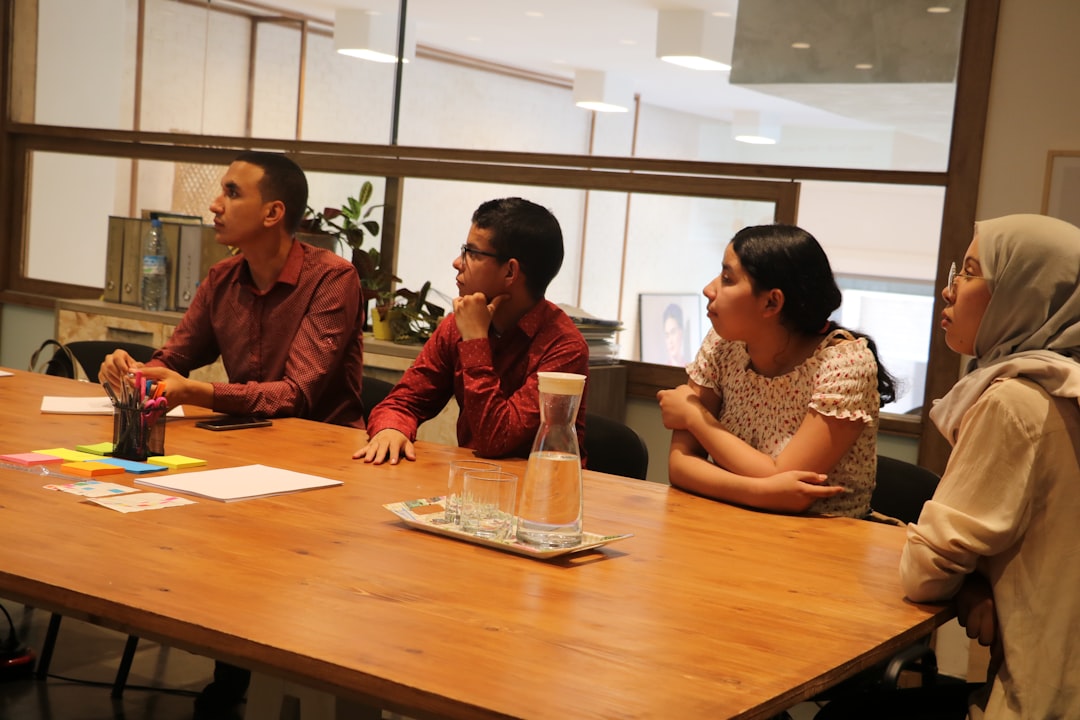
The Importance of Cultural Localization
Translation alone does not guarantee marketing success. Cultural localization adapts imagery, idioms, colors, and calls-to-action for local audiences. A campaign that performs well in one country may underperform elsewhere if cultural nuances are overlooked.
Leading services such as Lionbridge and TransPerfect offer transcreation, which reimagines messaging entirely to fit regional expectations while preserving brand identity. This process can significantly improve engagement and conversion rates in international markets.
Conclusion
Multilingual marketing campaigns require a careful balance between efficiency and authenticity. Tools like Google Translate and DeepL provide speed and scalability, while platforms such as Smartling, RWS, and Lokalise manage workflow complexity. Full-service agencies like TransPerfect and Lionbridge deliver the human creativity and cultural insight needed for impactful global branding.
Ultimately, successful multilingual marketing is not just about translating words—it is about connecting with audiences in meaningful and culturally relevant ways.
Frequently Asked Questions (FAQ)
1. What is the difference between translation and localization?
Translation converts text from one language to another, while localization adapts content culturally and contextually for a specific market, including visuals and messaging.
2. Are machine translation tools accurate enough for marketing campaigns?
Machine translation tools are useful for drafts and large-scale content needs. However, marketing campaigns typically require human review to ensure tone, nuance, and cultural accuracy.
3. What is transcreation?
Transcreation involves creatively adapting a message for a new language and culture rather than directly translating it. It is often used for slogans and brand messaging.
4. How much do professional translation services cost?
Costs vary depending on language pair, content complexity, and volume. Automated tools may be free or subscription-based, while professional services typically charge per word or per project.
5. Can translation tools integrate with marketing platforms?
Yes. Many tools, such as Smartling and Lokalise, integrate with content management systems, e-commerce platforms, and marketing automation software.
6. What is translation memory?
Translation memory is a database that stores previously translated phrases to ensure consistency and reduce costs in future projects.
7. Which tool is best for small businesses?
Small businesses often start with DeepL or Google Translate combined with freelance human editors. As they scale, they may transition to more comprehensive platforms like Smartling or RWS.